
Electric countertop composters market themselves as producing "compost in hours" — a claim worth checking carefully, since it's doing a lot of work. We ran one alongside a traditional compost bin for 6 weeks in an apartment setting to see what each actually delivers.
What Electric Composters Actually Produce
Electric units dehydrate and grind food scraps into a dry, significantly reduced-volume byproduct in a matter of hours. This is genuinely useful — it stops active decomposition, controls odor, and reduces volume dramatically — but it is not true finished compost. It hasn't gone through the microbial breakdown process that actually creates usable garden compost; it still needs several more weeks mixed into soil or a traditional compost system before it's garden-ready.
What Traditional Bins Actually Produce
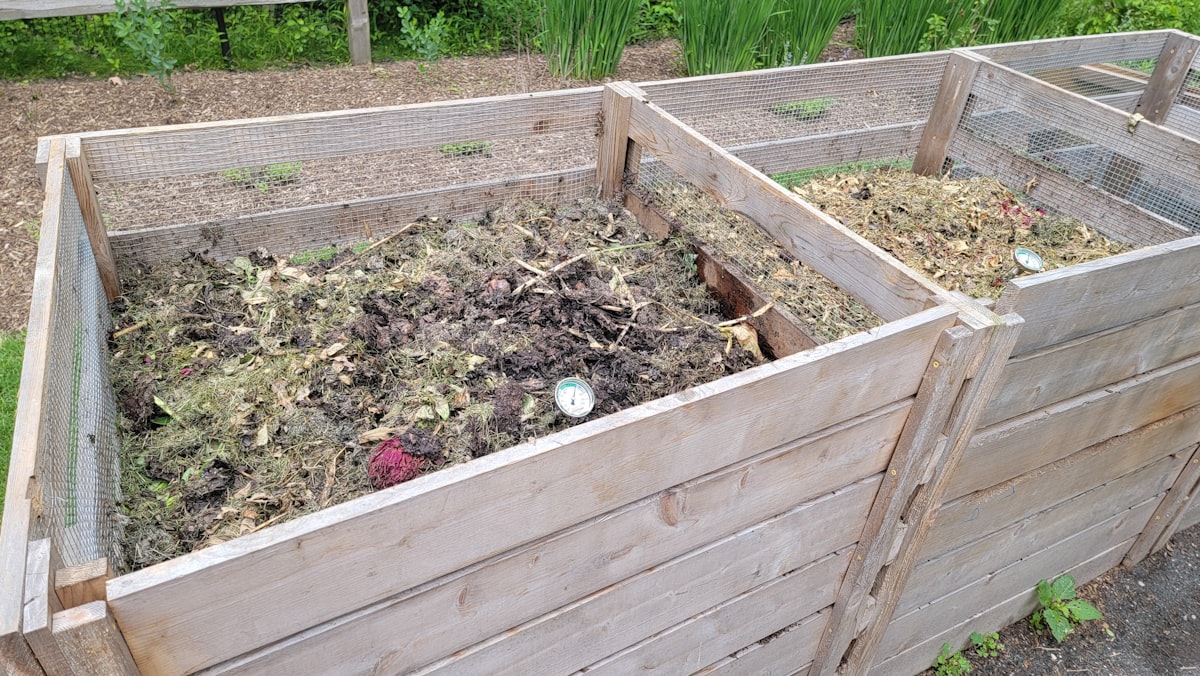
A properly maintained traditional bin (browns-to-greens ratio covered in our bulk shopping and composting guide) produces real, finished, microbially broken-down compost — but it takes 6-12 weeks and requires more active management to avoid odor and pests, which matters more in an apartment than a yard.
Apartment-Specific Comparison
| Factor | Electric composter | Traditional bin |
|---|---|---|
| Time to output | Hours (not finished compost) | 6-12 weeks (true finished compost) |
| Odor in our test | Minimal, sealed + carbon filter | Manageable with correct browns/greens ratio |
| Upfront cost | Higher (electric appliance) | Lower |
| Ongoing cost | Electricity + occasional filter replacement | Minimal |
Verdict
They're not actually competing at the same job. An electric composter is a fast, low-odor way to process daily scraps in a small apartment — but treat its output as a pre-processing step, not finished compost. A traditional bin is cheaper and produces real usable compost directly, at the cost of more active management and a much longer timeline. Many apartment composters end up using both: electric for daily processing, then finishing the output in a small traditional system or a community compost drop-off.


Reviews & Comments
Loading...