Brand vs Eco Alternative
The mainstream product you already know, compared directly against the sustainable swap — with a specific winner and real numbers, not vague both-are-fine advice.
Each comparison checks published ingredients or materials, real certifications, and price-per-use. We don't test products ourselves.
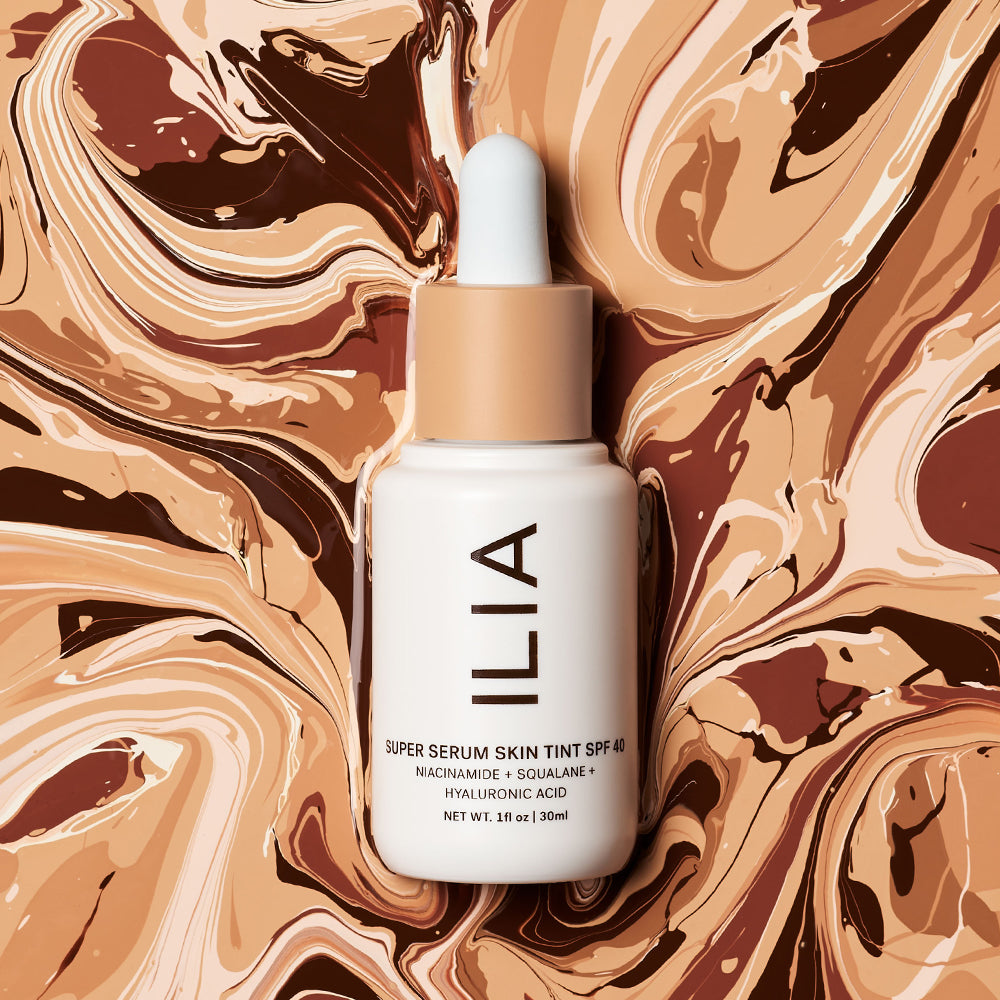
Coppertone vs ILIA: Which sunscreen offers better protection and eco‑friendly formulation?
When it comes to daily sun protection, shoppers often weigh performance against ingredient safety. Coppertone Sport Sunscreen SPF 50 is a mainstream, water‑resistant formula, while ILIA Super Serum Skin Tint SPF 40 markets itself as a clean‑beauty alternative with a tinted, mineral‑based finish. This side‑by‑side look breaks down what each product delivers so you can decide which aligns with your priorities.

Tide vs Molly's Suds: Which Laundry Detergent Is Better for Sensitive Skin and the Environment?
Both Tide Pods Original and Molly's Suds Baby Liquid Laundry Detergent are marketed for everyday washing, but they target different priorities. Tide offers powerful stain‑fighting in a convenient pod, while Molly's Suds focuses on a fragrance‑free, plant‑based formula for delicate or baby garments. This comparison looks at cost, cleaning ability, ingredient safety, and environmental impact to help you decide which fits your household best.
Coppertone vs Badger: Which Sunscreen Is Safer for Babies and Sensitive Skin?
Both Coppertone WaterBabies SPF 50 and Badger Mineral Sunscreen are marketed for sun protection, but they take very different formulation approaches. One relies on chemical UV filters aimed at kids, while the other uses only mineral blockers. This comparison looks at safety, performance, price, and overall suitability for delicate skin.

Pantene vs Kitsch: Which shampoo is cleaner for your hair and the planet?
Both Pantene Pro‑V Shampoo and Kitsch Shampoo Bar are designed to cleanse hair, but they come in very different formats. Pantene is a conventional liquid shampoo sold in a plastic bottle, while Kitsch offers a solid bar that eliminates most packaging. This comparison looks at price, ingredients, performance and environmental impact to help you decide which fits your routine and values.

Dreft vs Dropps: Which Detergent Is Safer for Baby Clothes?
Both Dreft Stage 1 and Dropps Laundry Pods are marketed for household laundry, but parents often wonder which is best for a newborn's wardrobe. Dreft is a liquid detergent formulated specifically for newborn skin, while Dropps offers plant‑based pods that tout eco‑friendly credentials. This comparison looks at price, ingredients, baby‑skin safety, and environmental impact to help you choose the right wash for your little one.
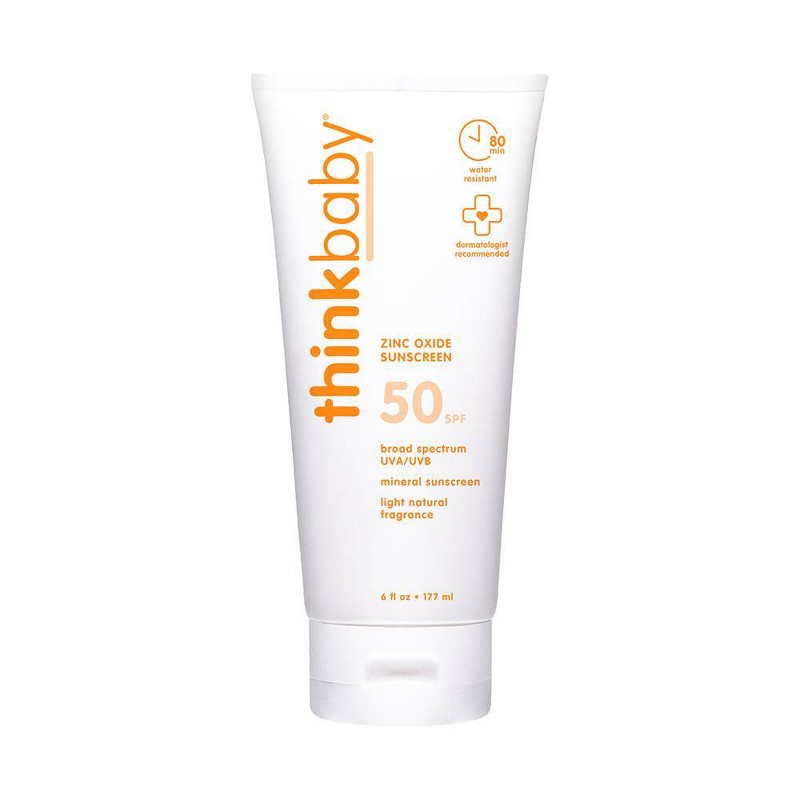
Coppertone vs Thinkbaby: Which SPF 50 Sunscreen Is Better for Sensitive Skin?
Both Coppertone Sport SPF 50 and Thinkbaby Baby Sunscreen SPF 50+ promise high UV protection, but they differ in formulation, target audience, and environmental impact. This comparison looks at ingredients, reef safety, water resistance, price and overall skin suitability to help you choose the right sunscreen for your needs.

Pantene vs Ethique: Which Shampoo Is Better for Your Hair and the Planet?
Both Pantene Pro‑V Shampoo and Ethique Shampoo Bar are designed to clean and care for hair, but they come from very different product philosophies. Pantene is a conventional liquid shampoo sold in a plastic bottle, while Ethique offers a solid, plastic‑free bar. This comparison looks at price, ingredients, sustainability and performance to help you decide which fits your routine and values.

Lomi vs OXO Compost Bin: Electric Composter or Just a Holding Bin?
These solve two different problems, not the same one. OXO's bin is a well-designed holding container for scraps until they reach a curbside pickup, backyard pile, or drop-off site — it doesn't compost anything itself. Lomi is a self-contained electric composter that actually breaks food scraps down into a soil amendment overnight, with no outside compost access required.
Dreft vs Molly's Suds: Is 'Baby-Safe' Detergent Actually Fragrance-Free?
Dreft markets itself as "gentle on sensitive skin," and it's the detergent most US parents grew up with. But Dreft's own published ingredient list includes added fragrance and dye — neither of which is disclosed prominently on the front label. Molly's Suds is formulated fragrance-free and dye-free from the start, which matters more for babies with eczema or genuinely sensitive skin.
Coppertone WaterBabies vs Thinkbaby: Chemical or Mineral Baby Sunscreen?
Coppertone's baby sunscreen has already dropped oxybenzone and octinoxate — the two chemical filters with the most environmental and absorption concerns — so this isn't the "toxic sunscreen" story it might have been a decade ago. The real difference now is simpler: Coppertone WaterBabies still uses four other chemical UV filters that absorb into skin, while Thinkbaby uses zinc oxide only, which sits on top of skin instead.

Under Armour ColdGear vs Smartwool: Synthetic or Merino Wool Base Layer?
Under Armour's ColdGear base layer is synthetic — roughly 78-87% polyester with elastane — built for fast drying and moisture-wicking during high-output activity. Smartwool's base layer is 100% merino wool, a natural fiber with a genuinely different set of trade-offs: it dries slower, but resists odor for multiple days of wear and doesn't shed plastic microfiber in the wash.
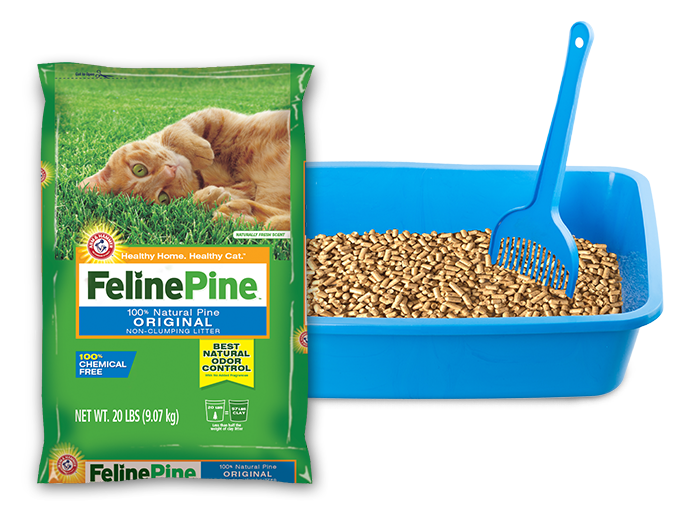
Tidy Cats vs Feline Pine: Clumping Clay or Pine Pellet Litter?
Tidy Cats is strip-mined bentonite clay — it clumps tightly for easy one-scoop cleanup, which is exactly why it dominates the US litter market. Feline Pine is a renewable pine byproduct that doesn't clump, so maintenance looks different: instead of scooping clumps daily, you sift waste and do full-tray changes more often.

Secret vs Lume: Antiperspirant or Aluminum-Free Deodorant?
This is a genuine functional difference, not just an ingredient swap: Secret is an antiperspirant, which physically blocks sweat glands. Lume is a deodorant, which neutralizes odor but doesn't stop sweating. That distinction matters more than the aluminum question for some people.
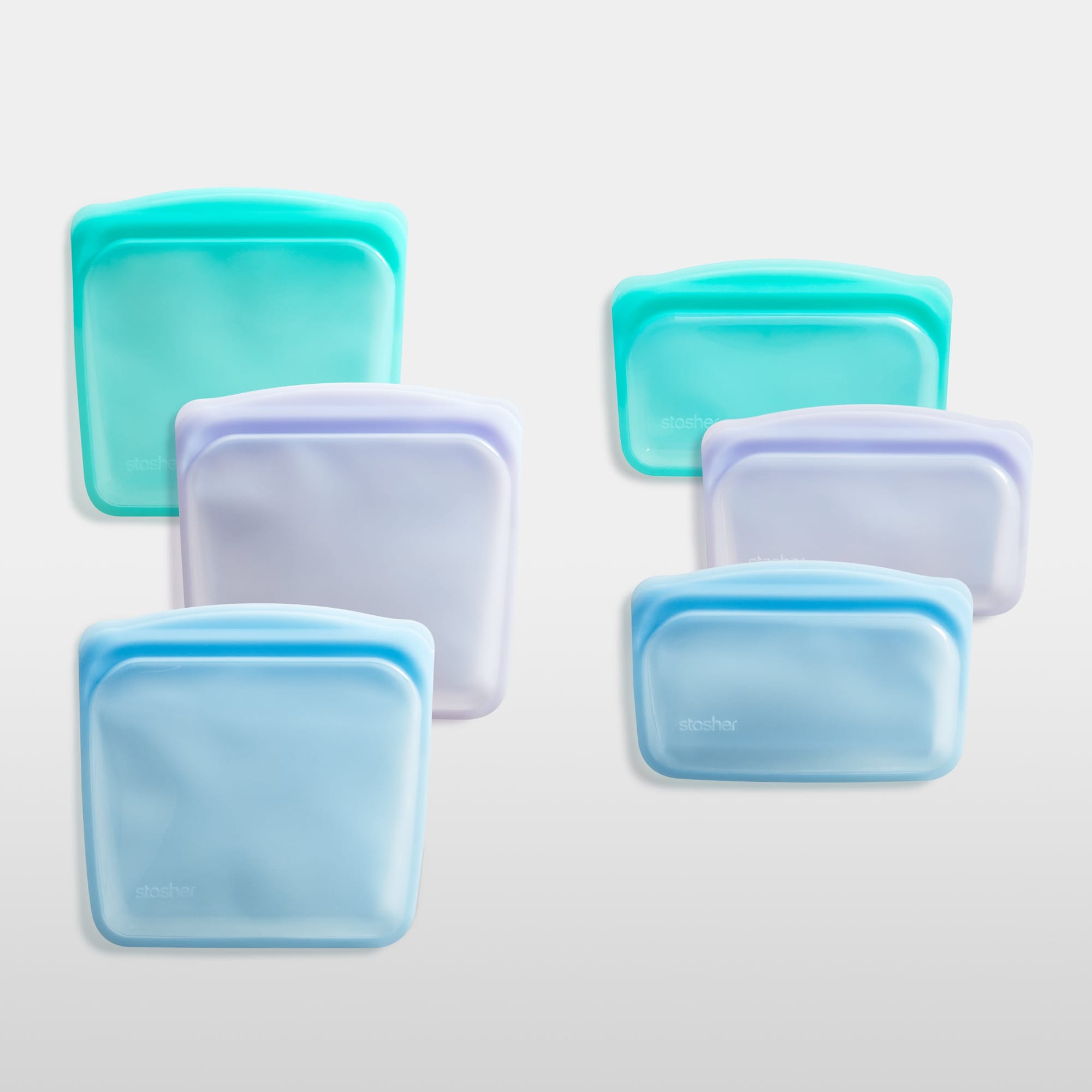
Ziploc vs Stasher: Is a $44.99 Silicone Bag Set Worth It?
Ziploc bags are technically made of a recyclable plastic (#4 LDPE), but that's mostly a technicality — curbside programs can't process them, and store drop-off recycling requires a separate trip most people never make. Stasher sidesteps the question entirely by being reusable.

Pampers vs Esembly: What Does Cloth Diapering Actually Save?
Pampers is the default most parents reach for, and for good reason — no washing, reliable overnight performance, sold everywhere. Esembly asks for a bigger upfront cost and a real routine change (washing diapers), in exchange for cutting out thousands of single-use diapers per child.

Nylabone vs West Paw Toppl: Nylon or Natural Rubber?
Both are genuinely durable, well-regarded chew toys built for real dogs, not just marketing photos. The difference is material: Nylabone is petroleum-based nylon and plastic; West Paw's Toppl is natural rubber that's also recyclable through West Paw's own take-back program.

Sealy Memory Foam vs Avocado Green Mattress: Is Organic Worth $1,350 More?
A mattress is one of the few products you're in direct, unbroken contact with for 7-8 hours a night, which is exactly why the off-gassing and flame-retardant questions around conventional foam matter more here than almost anywhere else in the house.
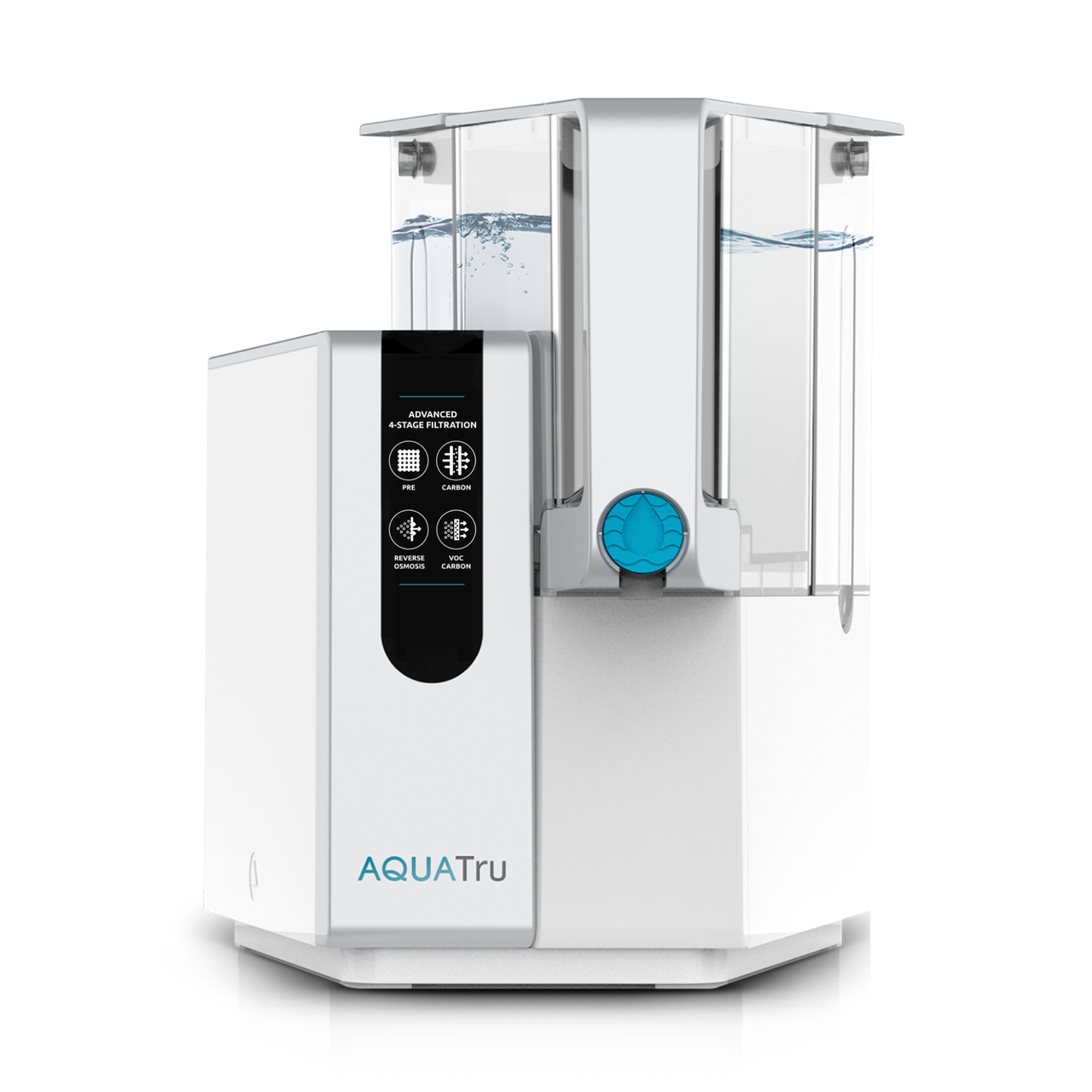
Brita Pitcher vs AquaTru: Do You Actually Need Reverse Osmosis?
This isn't a case of one product being secretly bad — Brita does exactly what it's designed to do. The real question is whether what it's designed to do (chlorine taste, most lead/mercury/copper) is actually what's in your water, or whether you need the much broader removal reverse osmosis provides.
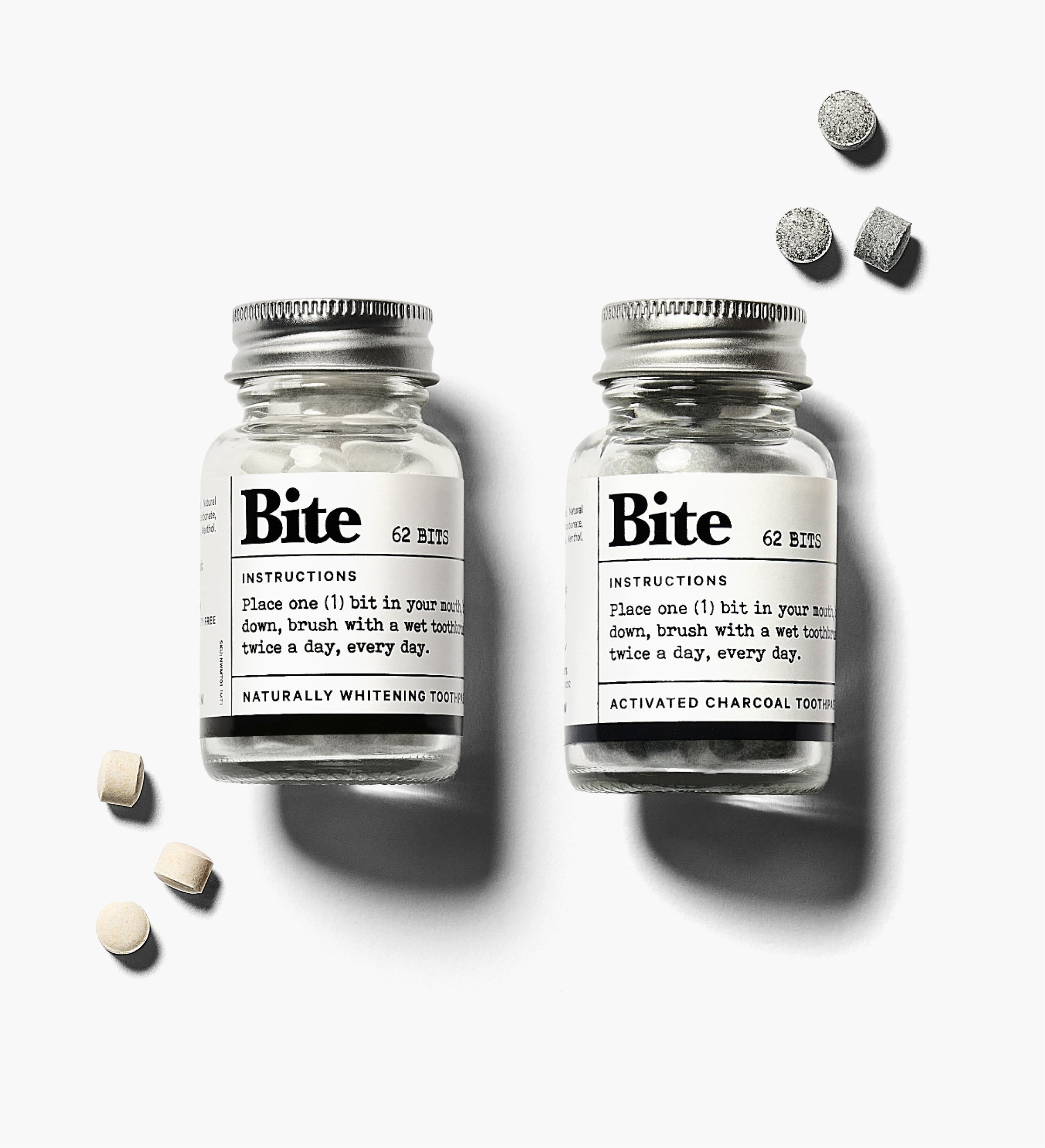
Colgate Total vs Bite Toothpaste Bits: Tube or Tablet?
Colgate Total has the cavity-fighting data most dentists point to. Bite trades the familiar foaming tube for a chewable tablet in a refillable glass jar — the real question is whether that trade costs you anything on actual cleaning performance.
Maybelline Fit Me vs ILIA Super Serum Skin Tint: Foundation or Skin Tint?
Maybelline Fit Me built its reputation on shade range and a fragrance-free formula at a drugstore price. ILIA trades full coverage for a lighter, skincare-hybrid finish with built-in SPF 40 — different formats built for different priorities, not a clean better-or-worse.

Carter's vs Naturepedic Crib Sheet: Is Organic Cotton Worth 3x the Price?
A crib sheet is in direct contact with a sleeping infant for most of the day, which is exactly why the material question gets more scrutiny here than it would for, say, a couch cover.

Tampax Pearl vs DivaCup: Is a Menstrual Cup Worth Switching To?
Tampax Pearl is the tampon most Americans grew up with — reliable, familiar, and available everywhere. The DivaCup asks for a bigger upfront commitment and a real learning curve, but the math and the waste both favor it once you get past the first cycle or two.

Centrum vs Ritual: Is the $33 Multivitamin Worth It?
This is a genuinely close call, not a clean win. Centrum covers more nutrients for a fraction of the price. Ritual covers fewer nutrients but publishes exactly where every ingredient comes from — which one is "worth it" depends on whether you're optimizing for full coverage and cost, or for sourcing transparency.
Coppertone Sport vs Badger Mineral Sunscreen: Chemical vs Mineral SPF
Coppertone already dropped oxybenzone and octinoxate from this formula, which is real progress — but it still relies on chemical UV filters, not mineral ones. Badger's zinc-oxide formula avoids that question entirely, at the cost of the white cast every mineral sunscreen struggles with.
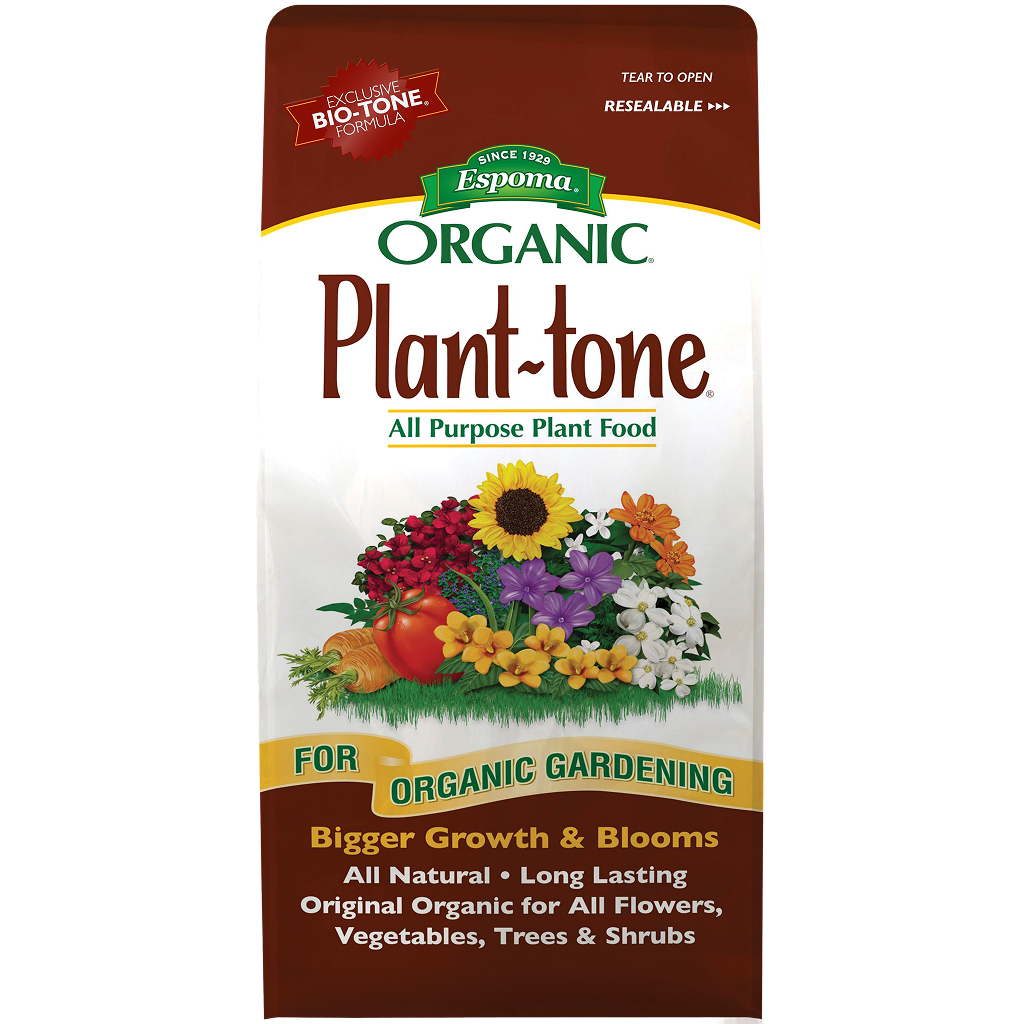
Miracle-Gro vs Espoma: Synthetic Fast Feed or Organic Slow Release?
Miracle-Gro is famous for a reason — it's fast. Espoma trades that speed for feeding your soil instead of just your plant, which pays off over a full growing season rather than a single week. If you want the full head-to-head grow-test data behind this, see our <a href="/blog/miracle-gro-vs-homemade-compost-fertilizer-2026">10-week Miracle-Gro vs compost test</a>.

SHEIN Basic Tee vs Pact Organic Cotton Tee
SHEIN's tee costs a fraction of Pact's — but durability, labor standards, and microplastic shedding tell a different story once you look past the price tag.
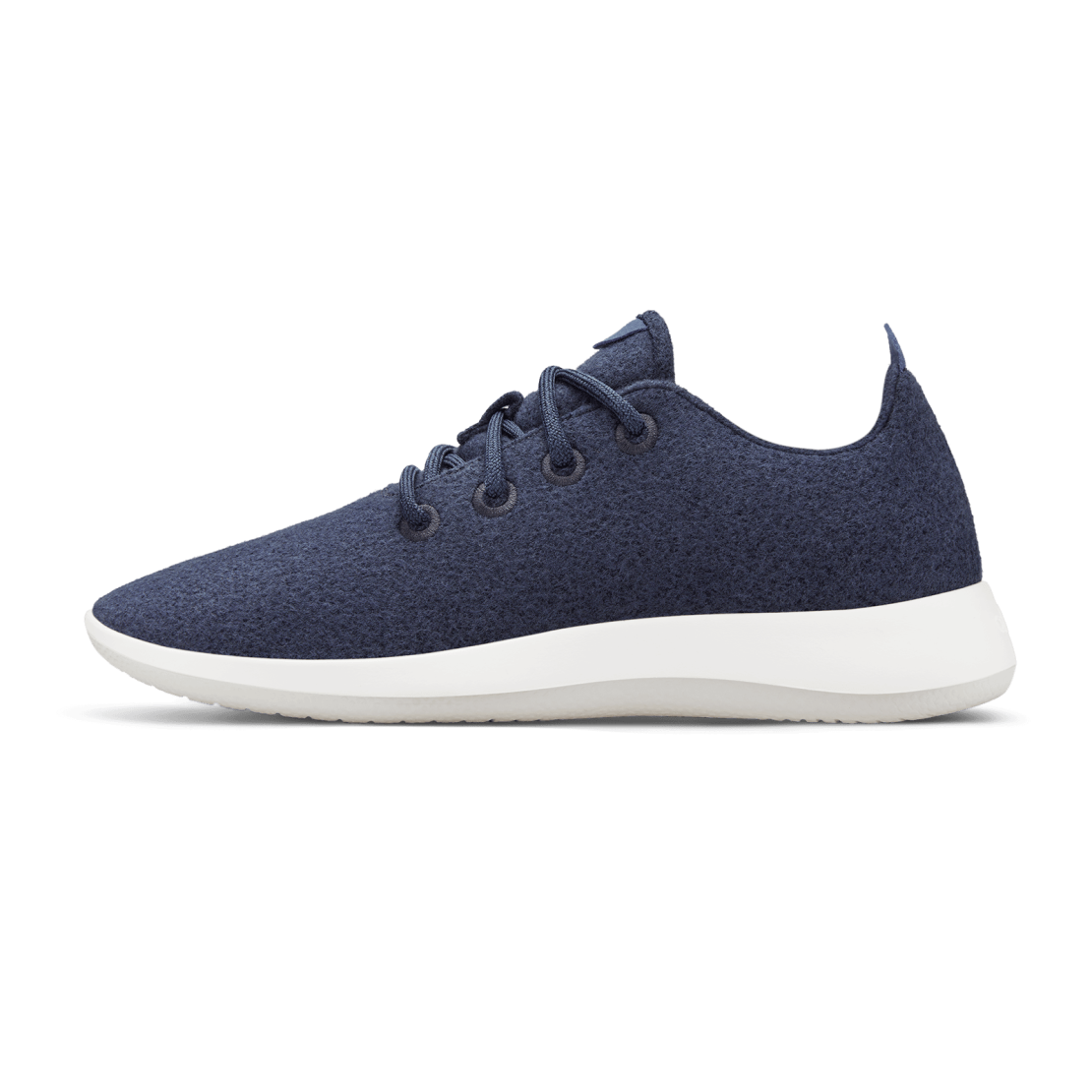
SHEIN Canvas Sneaker vs Allbirds Wool Runner
One costs $15 and lasts a season. The other costs $98 and publishes its actual carbon footprint. We compared the real tradeoffs.

Caraway vs GreenPan: Non-Toxic Cookware Compared
Both are PTFE/PFOA/PFAS-free ceramic cookware sets, so the real choice comes down to price, warranty, and what's actually in the box.

The Honest Kitchen vs Open Farm: Fresh vs Dry Dog Food
Fresh, human-grade dog food vs a well-formulated dry kibble — we compared cost, convenience, and what actually goes into the bag.
Ethique vs Kitsch: Which Shampoo Bar Actually Works?
Both bars cost the same $14 — the real differences are in certification rigor, hard-water performance, and how consistently they work across hair types.

Scotch-Brite Sponge vs Compostable Kitchen Sponge
Standard kitchen sponges are replaced every 2-4 weeks and go straight to landfill. We compared materials, scrubbing ability, and end of life against a compostable alternative.

Bounce Dryer Sheets vs Wool Dryer Balls
Dryer sheets are single-use and thrown out every load. Wool dryer balls are reused for years. We compared static reduction, drying time, scent, and cost.
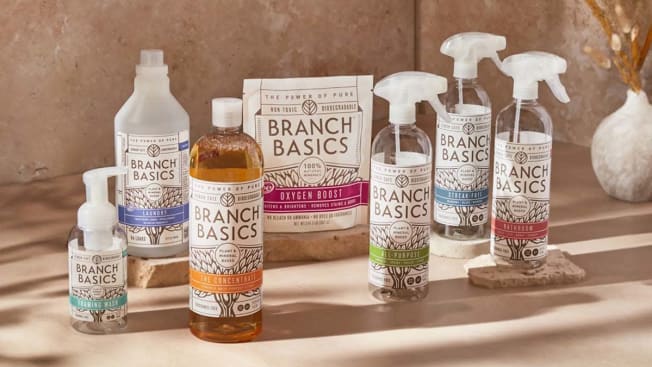
Dawn Dish Soap vs Branch Basics Concentrate
Dawn is the category leader for grease-cutting. Branch Basics is a single concentrate that replaces dish soap and seven other cleaning products. We compared both.
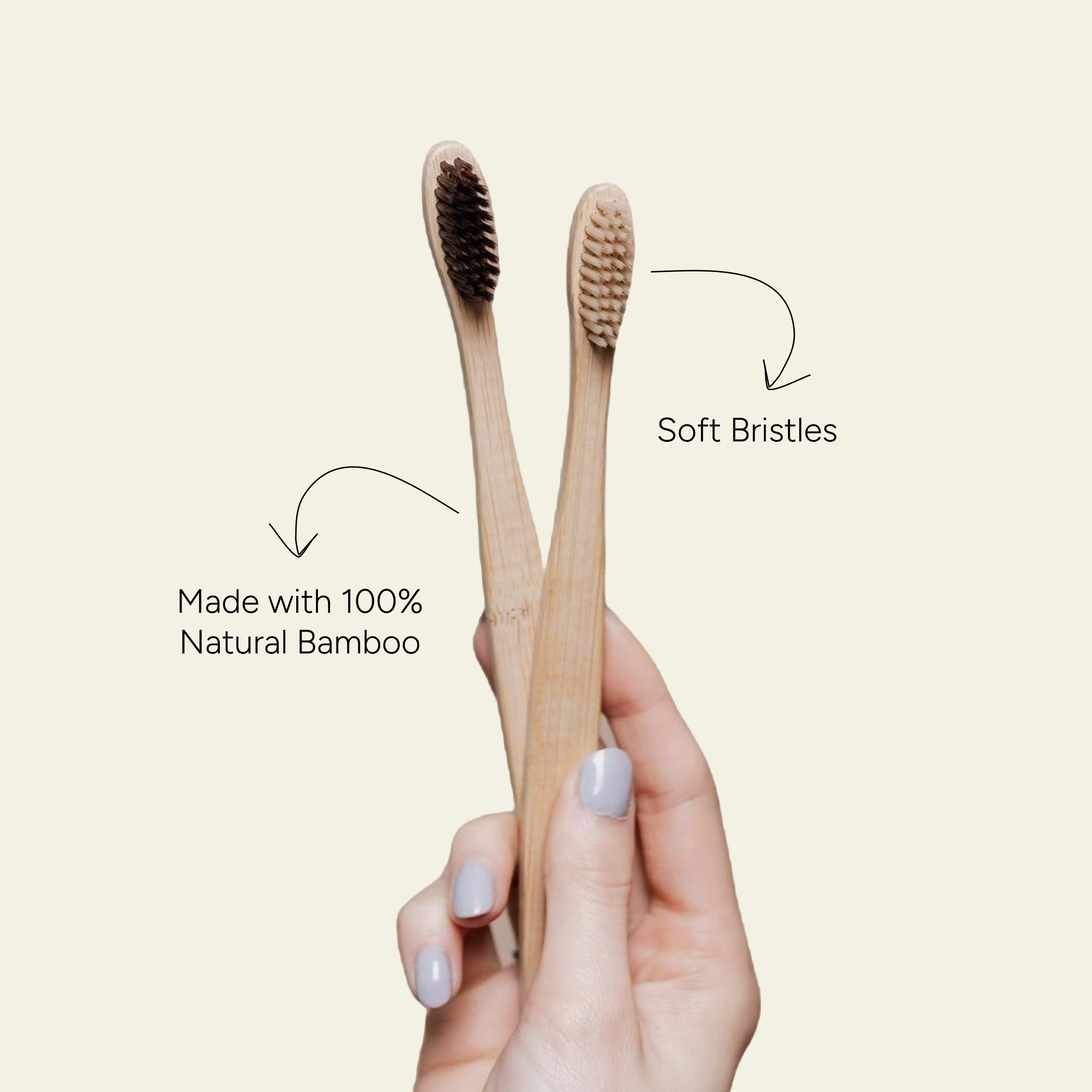
Colgate Toothbrush vs Bamboo Toothbrush Set
The average person uses roughly 4 disposable plastic toothbrushes a year. We compared cost and end-of-life impact against a bamboo-handled set.
:max_bytes(150000):strip_icc()/ins-tier-3-primary-best-shampoo-bars-jkim-0302-fb08a8967eee455cae00869cb9e52c10.jpeg)
Pantene vs Solid Shampoo Bar
One 12oz Pantene bottle versus one shampoo bar that lasts roughly as long as 2-3 bottles. We compared cost, lather, and packaging waste.

Reynolds Plastic Wrap vs Beeswax Wraps
Plastic wrap is cheap and disposable. Beeswax wraps cost more upfront but are reused for a year or longer — here's the real breakeven.
Tide Pods vs Dropps Laundry Pods
Both are pod-format detergents, so the switch is nearly frictionless. The difference is what's inside the pod and what it's wrapped in.

Tide Pods vs Tru Earth Eco-Strips
Tide holds roughly a third of the US detergent market. Tru Earth swaps the plastic tub for a compostable strip. Here's how they actually compare.
Want Personalised Picks?
Take our 2-minute quiz and we'll match the right eco-swaps to your lifestyle and budget.
Take the Free Quiz →