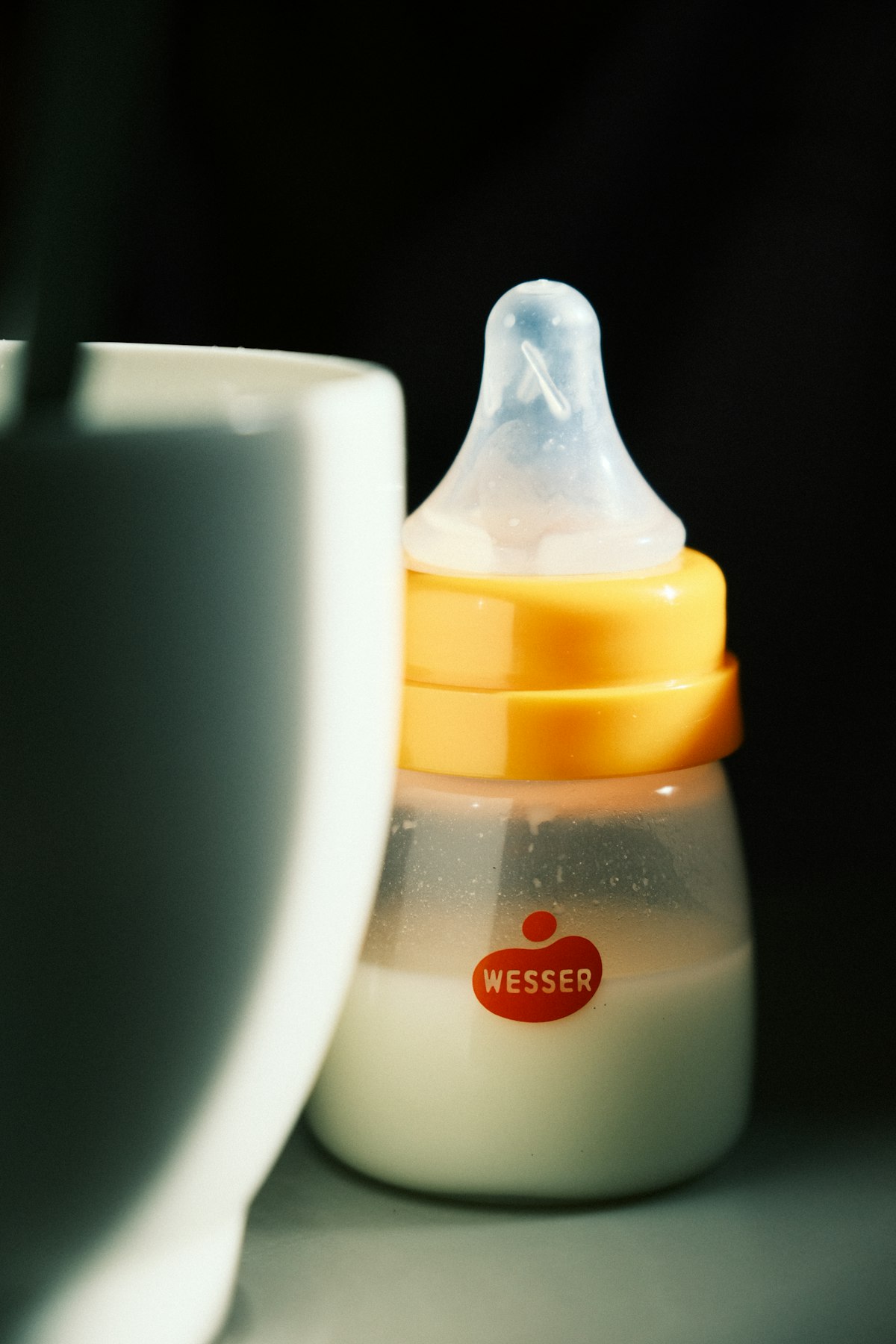
TL;DR: All three glass bottle lines avoid the microplastic-shedding issue documented in heated polypropylene bottles, so the real decision is about the anti-colic vent system and how much you mind the extra weight and breakage risk of glass. Dr. Brown's has the most clinically-oriented internal vent system, BIBS glass leans toward a simple, minimal design, and Philips Avent's AirFree vent is built into the nipple itself rather than the bottle body.
Why Glass Bottles Are the Microplastic-Free Choice
This isn't a vague eco-claim — it's a specific, published finding. Peer-reviewed research on polypropylene (PP) baby bottles has documented that heating formula or breast milk in a PP bottle, especially with hot water or a dishwasher/sterilizer cycle beforehand, causes the plastic to shed microplastic particles into the liquid, with the shedding increasing at higher temperatures. Glass doesn't have a polymer surface to shed in the first place, which is the entire reason Dr. Brown's, BIBS, and Philips Avent each maintain a glass version of their popular plastic bottle lines specifically for parents trying to avoid that exposure route.
Worth being precise about what glass does and doesn't solve: it removes the bottle itself as a microplastic source. It doesn't change what's in the formula or milk you're pouring in, and any plastic parts elsewhere in your feeding setup (some vent inserts, sealing discs, or nipple collars) are a separate consideration from the bottle body. If you have specific concerns about your feeding routine, that's a conversation for your pediatrician rather than something a bottle brand's marketing page can answer for you.
Dr. Brown's Glass: The Internal Vent System
Dr. Brown's is built around its internal vent system — a thin tube-and-vent assembly that sits inside the bottle and is designed to reduce the vacuum and air bubbles that contribute to colic, gas, and spit-up. It's the most complex of the three systems here, with more small parts to wash, sterilize, and reassemble at every feeding. Parents who've dealt with reflux or colic tend to be the ones most loyal to this system specifically because of how deliberately engineered the venting is; parents just looking for a simple glass bottle sometimes find it more assembly than they want.
BIBS Glass: Simplicity Over Engineering
BIBS takes closer to a minimalist approach — a wide-neck glass bottle with a natural-shaped nipple and a simpler two-piece design, without the internal tube system Dr. Brown's uses. It's a Danish brand best known first for pacifiers, and the bottle line carries over that same "fewer parts, easier to clean" philosophy. The tradeoff is a less aggressive anti-colic mechanism than Dr. Brown's — fine for a lot of babies, but parents managing diagnosed reflux or colic may find Dr. Brown's more purpose-built venting makes a bigger practical difference.
Philips Avent Glass: Vent Built Into the Nipple
Philips Avent's AirFree vent design takes a third approach: rather than a separate internal tube (Dr. Brown's) or no dedicated vent system (BIBS), the venting is built into the nipple itself, positioned so that when the bottle is tilted during feeding, liquid — not air — fills the nipple. That means fewer separate parts than Dr. Brown's system while still offering more anti-colic engineering than BIBS' simpler design, landing it in the middle of the other two on complexity.
The Real Tradeoff: Weight and Breakage
This is the honest catch with all three, and it's not brand-specific — it's physics. Glass bottles are heavier than plastic, which matters for a newborn who's still building grip and neck strength, and for a tired parent doing a 2 a.m. feed one-handed. They're also breakable in a way polypropylene bottles simply aren't; drop a glass bottle on a tile floor and it can shatter, where a plastic one bounces. Most glass bottles in this category, including all three here, ship with a silicone sleeve that adds grip and some shock protection, but a sleeve reduces breakage risk — it doesn't eliminate it. If you're using glass bottles, a variety of a plastic PP-based backup for grandparents, daycare, or particularly clumsy months isn't a contradiction of your microplastic-avoidance goal, it's a practical hedge, since occasional plastic bottle use is a very different exposure level than daily heated PP use.
Dr. Brown's vs. BIBS vs. Philips Avent at a Glance
| Attribute | Dr. Brown's Glass | BIBS Glass | Philips Avent Glass |
|---|---|---|---|
| Anti-colic system | Internal vent tube (most complex) | No dedicated vent system (simplest) | AirFree vent built into nipple |
| Parts to wash per bottle | Most (vent + reservoir + collar) | Fewest (two-piece design) | Moderate (vent integrated in nipple) |
| Best suited for | Diagnosed colic or reflux | Parents wanting minimal fuss | Balance of venting and simplicity |
| Comes with silicone sleeve | Yes | Yes | Yes |
| Material avoided | Polypropylene (microplastic shedding) | Polypropylene (microplastic shedding) | Polypropylene (microplastic shedding) |
The Verdict
All three genuinely solve the microplastic-shedding problem that heated plastic bottles have — that part isn't a close call, and you can pick based on vent system alone without worrying one is meaningfully "more non-toxic" than another. If your baby has diagnosed colic or reflux, Dr. Brown's internal vent system is worth the extra parts to wash. If you just want the simplest possible glass bottle to clean at 3 a.m., BIBS is the least fuss. If you want a middle ground with real anti-colic engineering but fewer loose parts than Dr. Brown's, Philips Avent's AirFree design is the practical pick. Whichever you choose, expect to keep at least one plastic backup on hand for daycare or grandma's house — it's not a compromise of the goal, it's just realistic.



Reviews & Comments
Loading...