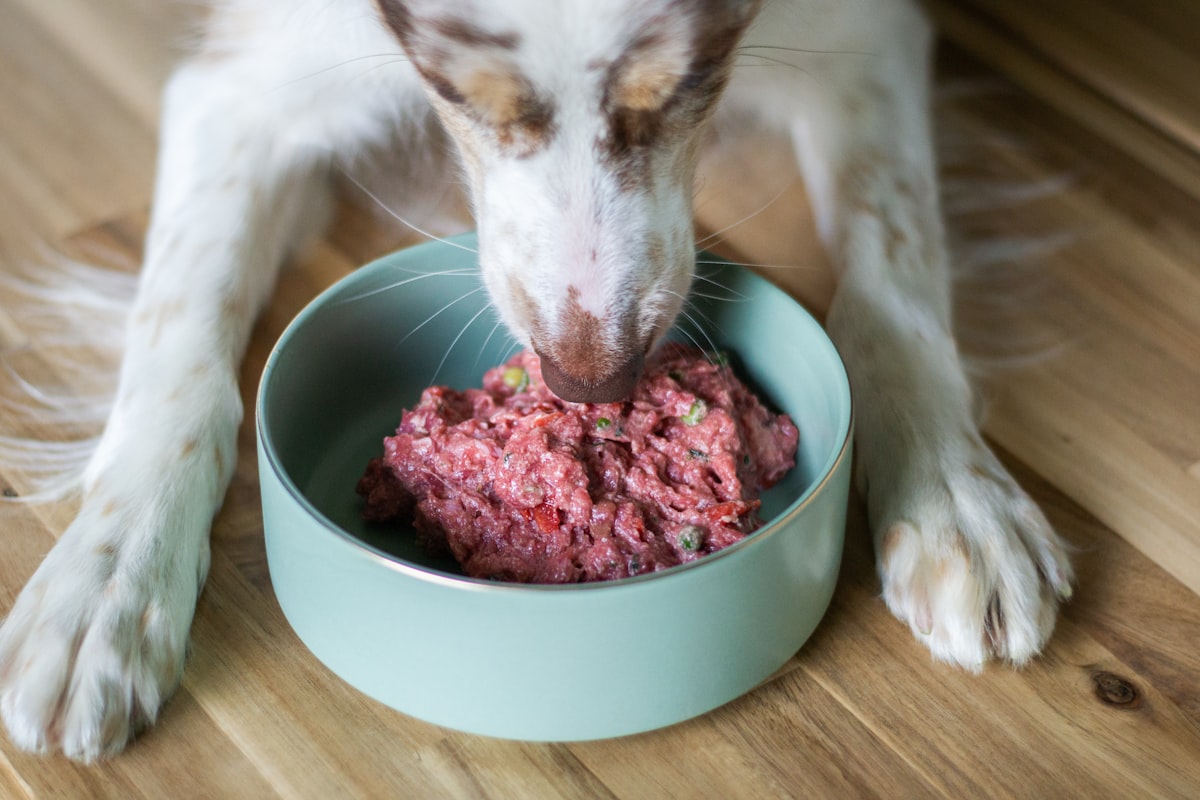
Raw pet food diets get discussed a lot in terms of philosophy — closer to a wild ancestral diet, fewer processed additives. What often gets less airtime is that the FDA actually went and tested a meaningful sample of commercial raw pet food products directly, and the results are concrete enough to be worth knowing before deciding whether the tradeoff is worth it.
The Actual Study
The FDA's Center for Veterinary Medicine tested 196 samples of commercially available raw dog and cat food. Of those samples, 15 tested positive for Salmonella and 32 tested positive for Listeria monocytogenes. That's not a hypothetical risk based on theory — it's a direct contamination rate found in an actual sample of products people are currently buying and feeding to pets.
Why This Isn't Just a Pet Health Question
The study specifically identified risk both for the pets eating the raw food and for the humans handling it. This matters because raw pet food is often handled with bare hands during prep, and pets and their owners tend to be in close, frequent contact afterward — some kids even take bites of pet food directly. A contaminated batch isn't a risk contained entirely to the animal eating it.
It Doesn't Stop at the Bowl, Either
A 2008 study found that 7 of 16 dogs exposed to contaminated raw food shed Salmonella in their stool for 1 to 7 days after eating it — meaning the contamination risk extends into the household environment through the pet's waste, not just the immediate meal. Reported contamination prevalence across different raw pet food studies has ranged widely, from 0% to 80%, reflecting real variation between products and production practices, but the FDA's own direct sampling puts a concrete number on what commercial products actually contained when tested.
Where the FDA and CDC Actually Stand
Neither the FDA nor the CDC recommend feeding raw diets to pets — this isn't a split opinion between agencies, they're described as standing united in this position given the documented contamination risk. That's a fairly firm, consistent stance from the two agencies most directly positioned to evaluate this specific question.
What This Actually Means If You're Considering Raw
This isn't a claim that every raw pet food product is contaminated, or that raw feeding is never done safely anywhere — it's that the FDA's own direct testing found real contamination in a meaningful share of commercial samples, and both major health agencies advise against it on that basis. If raw feeding is still the direction you choose, strict food safety handling (separate prep surfaces, thorough handwashing, careful storage) becomes considerably more important given what the testing actually found, not just a general precaution.


Reviews & Comments
Loading...