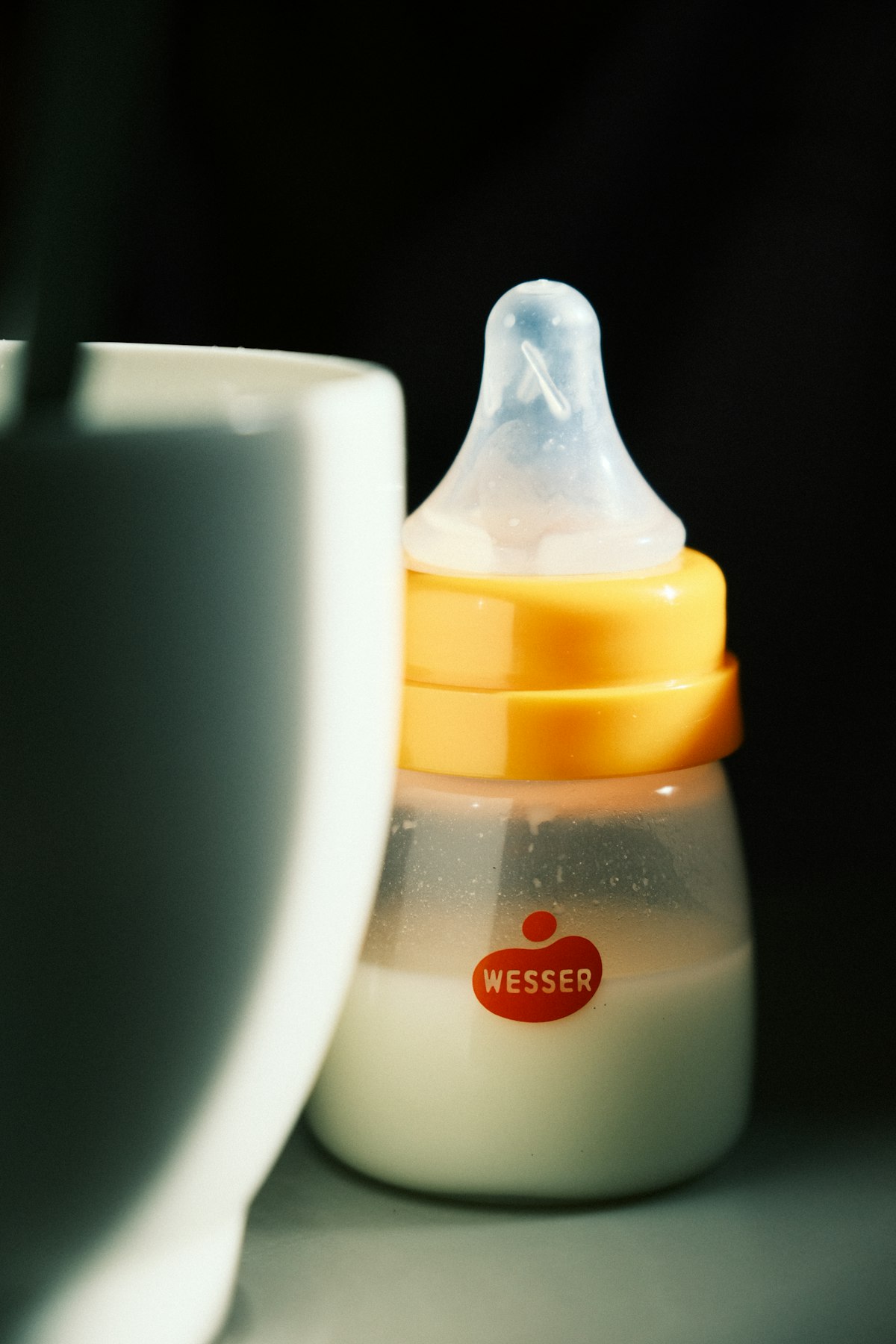
Plastic baby bottles have a documented microplastic-shedding issue specifically during heating and shaking — published research, including a widely cited 2020 study, found meaningful particle counts released during typical formula preparation. Glass and stainless steel are the two common plastic-free alternatives, and they differ in one practical way that matters a lot for daily use: drop survival.
Why Plastic Bottles Are the Actual Concern
The microplastic shedding happens disproportionately during heating (sterilizing, warming) and vigorous shaking used to mix formula — not just passive storage. This is the specific mechanism driving parents toward glass and steel alternatives, rather than a vague plastic-avoidance instinct.
3-Month Drop Test Results
| Material | Drop survival | Visual monitoring |
|---|---|---|
| Glass (with silicone sleeve) | Chipped/cracked twice in 3 months | Full visibility |
| Stainless steel | Cosmetic dents only, zero failures | None — opaque |
The Real Tradeoff
Glass lets you see milk level at a glance and visually check for cleanliness or residue after washing — a genuine practical convenience steel doesn't offer. Stainless steel wins decisively on drop resistance, which matters more in households with older siblings, uneven handling, or hard flooring where drops are frequent and glass's fragility becomes a real recurring cost, even with a protective sleeve.
Why Material Choice Here Connects to a Bigger Question
Both glass and stainless steel share the same underlying advantage: neither sheds the way plastic bottles can over repeated washing and heating cycles. That matters beyond just this one product category — researchers have found microplastics in the majority of breast milk and in all infant formula samples tested, with plastic feeding bottles identified as one of the controllable exposure pathways. Choosing glass or steel over plastic for feeding gear specifically addresses one of the few parts of that exposure picture actually within a household's control.
Verdict
For a first bottle or a household with careful, controlled use, glass's visual monitoring is a genuine advantage worth the drop risk. For a busy household with frequent drops (multiple caregivers, older siblings, hard floors), stainless steel's durability is the more practical daily choice, with volume markings compensating partially for the lack of visual monitoring.


Reviews & Comments
Loading...