Apparel

Merino Wool vs Recycled Polyester Base Layers: Which Actually Regulates Temperature Better?

🌿 SwapSages · ·5 min read
Merino Wool vs Recycled Polyester Base Layers: Which Actually Regulates Temperature Better?
💡

TL;DR

Merino wool regulates a wider temperature range and resists odor far longer than recycled polyester, thanks to its natural moisture-absorbing structure and antimicrobial lanolin content. Recycled polyester dries faster, costs less, and diverts plastic waste — the better choice depends on trip length and budget.

Is merino wool or recycled polyester better for a base layer?

Merino wool regulates temperature more effectively across a wider range of conditions because its fiber structure absorbs and releases moisture vapor gradually, while recycled polyester wicks moisture faster on the surface but doesn't manage the same range of temperatures as well and traps odor-causing bacteria more readily. Merino also resists odor significantly longer between washes due to natural antimicrobial lanolin content. Recycled polyester's advantages are faster drying time, lower cost, and diverting plastic waste from landfill.

Base layers get marketed almost entirely on temperature regulation claims, and merino wool and recycled polyester are the two "sustainable" options that dominate the category. They perform differently enough that the choice shouldn't just come down to price.

How Each Material Actually Regulates Temperature

Merino wool fibers absorb moisture vapor into their core structure and release it gradually, which is what allows the same fabric to feel insulating in cold conditions and breathable in warm ones — it's managing moisture across a wider range, not just wicking it away. Recycled polyester wicks moisture quickly along the fiber's surface, which feels fast-drying and effective in a narrower temperature band, but doesn't provide the same two-way regulation across a wide range of conditions.

Odor Resistance Is Where the Gap Is Largest

This is the most practically noticeable difference for repeated wear. Merino's natural lanolin content has genuine antimicrobial properties that slow odor-causing bacterial growth, letting a merino base layer go multiple days of active use before needing a wash. Recycled polyester has no equivalent natural property — odor builds up faster, and synthetic anti-odor treatments applied during manufacturing wash out over the garment's life.

Where Recycled Polyester Wins

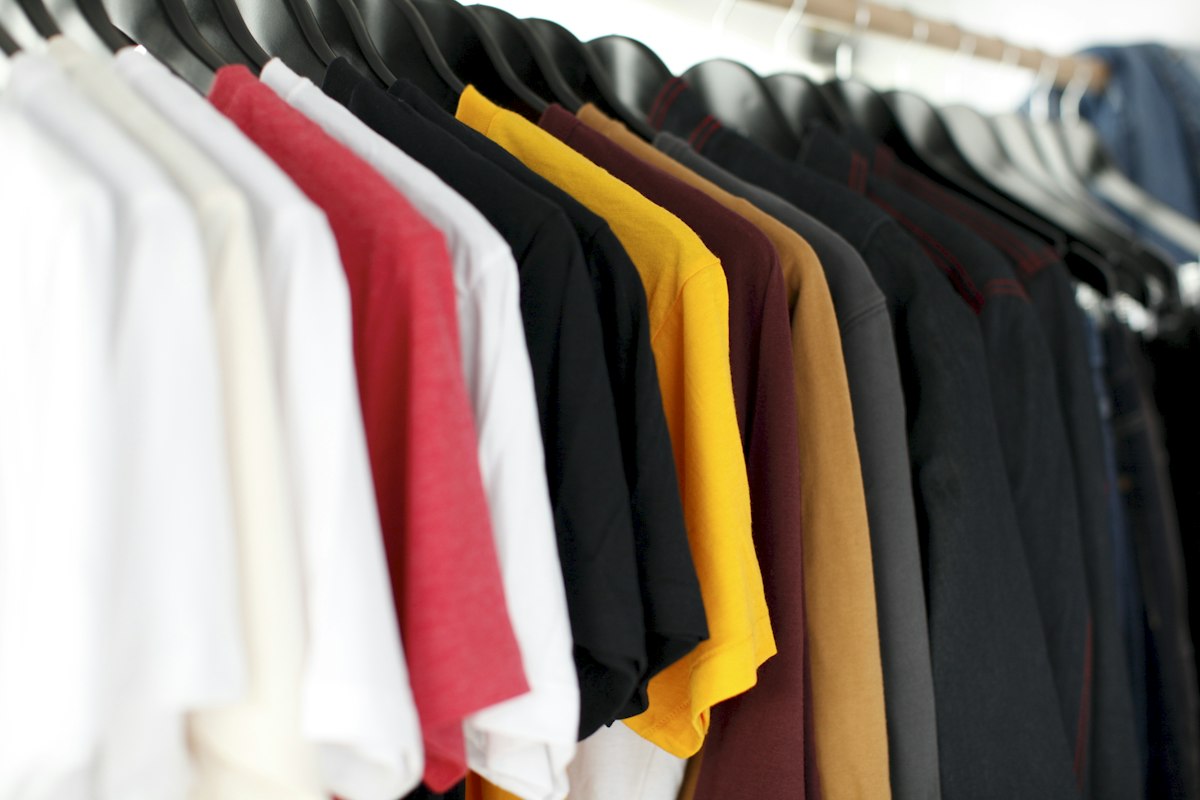
Recycled polyester dries significantly faster than merino after washing, costs meaningfully less, and — like recycled polyester t-shirts — diverts existing plastic waste from landfill. For short trips, warm-climate use, or budget-conscious buying, these are real, legitimate advantages.

Verdict

For multi-day trips, cold-weather use, or anyone who wants to pack fewer base layers and rewear them, merino wool's temperature range and odor resistance justify the higher price. For short trips, hot climates, or tighter budgets, recycled polyester is a reasonable, genuinely sustainable choice — just expect to wash and pack more of it.

Related Reading

Frequently Asked Questions

Why does merino wool resist odor better than polyester?

Merino fibers contain natural lanolin, which has inherent antimicrobial properties that slow the growth of the bacteria responsible for body odor. Synthetic fibers like polyester have no equivalent natural property, so they rely on surface treatments that wash out over time.

Does merino wool actually keep you cool in warm weather, or just warm in cold weather?

Both — merino's fiber structure regulates moisture and temperature gradually in either direction, which is why it's marketed for both cold-weather insulation and warm-weather base layers, unlike most insulating fabrics.

Is recycled polyester actually cheaper than merino wool?

Yes, typically 30-60% less expensive for a comparable base layer, since merino wool is a more labor- and resource-intensive fiber to produce and process.

Sources

  • Textile Exchange fiber sourcing standards