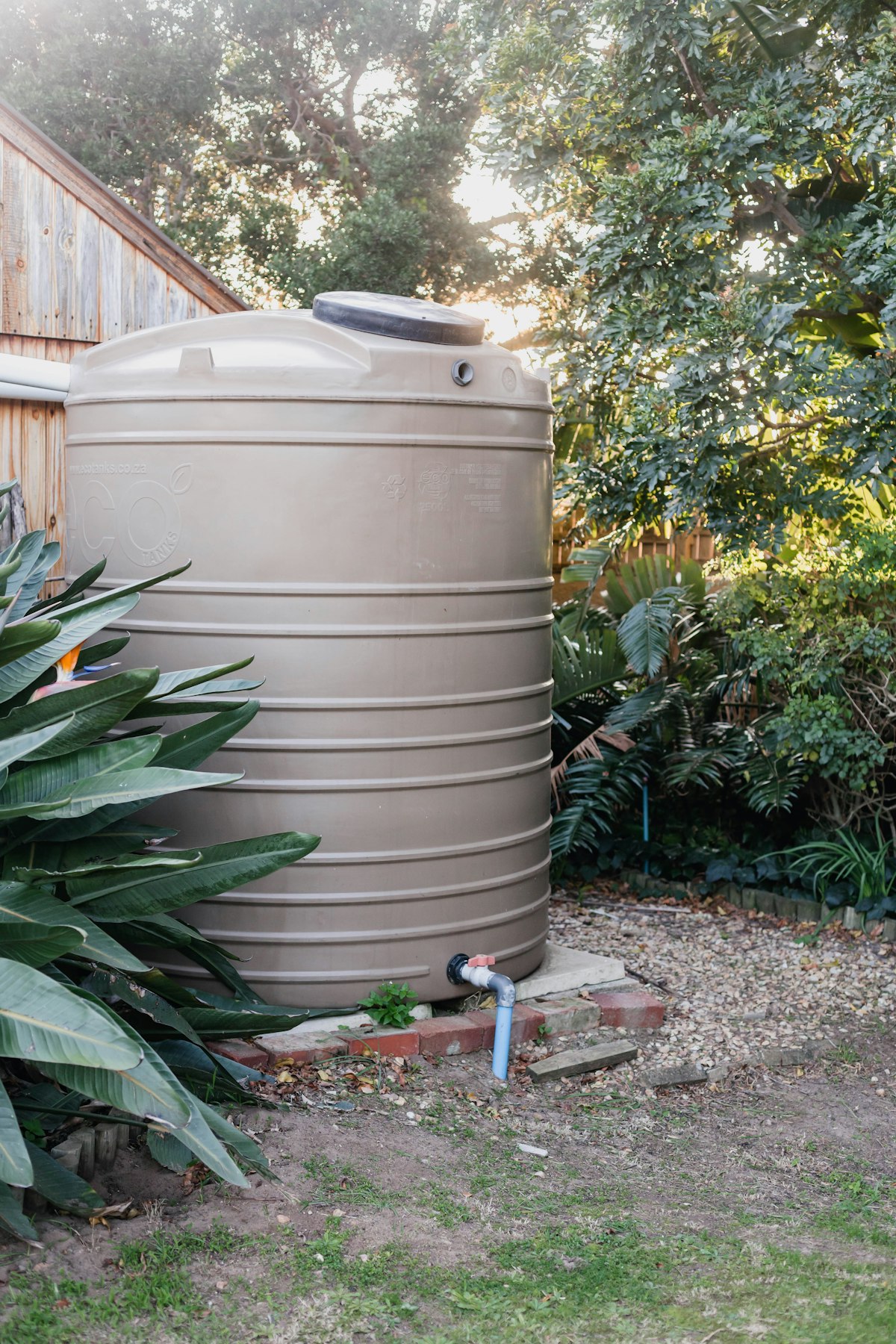
TL;DR: At typical US municipal water rates, a single 50-gallon rain barrel saves only about $6–9 a season on a small garden bed — meaning a $100 barrel takes 12–16 years to pay for itself on the water bill alone. Rain barrels make financial sense mainly where water is metered at steep tiered summer rates, where outdoor watering is restricted, or where you're on a well.
The Math Most Rain Barrel Marketing Skips
A standard 50-gallon rain barrel with a diverter kit costs around $80–120 installed. A modest 100 sq ft vegetable bed needs about 1 inch of water a week through a roughly 20-week growing season — that works out to about 1,240 gallons for the season.
Here's the part that changes the whole calculation: municipal water, for the outdoor-use portion of a bill (most utilities don't charge sewer fees for water that goes into the ground rather than down the drain), typically runs somewhere around $0.005–$0.01 per gallon across the US, depending on the city and usage tier. At that rate, 1,240 gallons of municipal water for the season costs roughly $6–12 — genuinely not much.
A single 50-gallon barrel, refilled by rain roughly 15–20 times across a season in a moderate climate, collects somewhere around 750–900 gallons — more than enough to cover that garden bed's needs. But even fully offsetting all 1,240 gallons only saves about $6–9 for the season. At that rate, a $100 barrel takes 12–16 years to pay for itself purely on avoided water costs. That's the honest number, and it's a lot less exciting than the "save money on your water bill!" pitch on the box.
So When Does a Rain Barrel Actually Make Financial Sense?
The payback math changes a lot depending on your specific situation:
- Tiered summer rate structures. Some utilities charge dramatically more per gallon once a household crosses into a higher usage tier during peak summer months — in those cases, the water a rain barrel offsets can be priced at 3–5x the baseline rate, which meaningfully shortens payback.
- Watering restrictions or drought bans. In areas with mandatory outdoor watering restrictions, a rain barrel isn't really competing on price — it's the only way to keep a garden alive on restricted days, which is a different kind of value entirely.
- Well water. If you're on a private well rather than municipal water, there's no dollar figure to offset at all — the "savings" argument doesn't really apply, though a rain barrel still reduces pump runtime and well drawdown during dry stretches.
- Multiple barrels, bigger garden. The economics scale roughly linearly — a bigger garden with 200–300 gallons/week of demand and 2–3 connected barrels sees proportionally larger seasonal savings, though payback timelines stay in the same double-digit-years range unless local rates are unusually high.
Checking Your Own Numbers Before You Buy
The figures above are a reasonable national average, but water rates vary enormously by city and utility — some municipalities price water at less than $0.003/gallon, while others, especially in the arid Southwest during peak-tier summer pricing, can charge several times that. Before buying, pull your actual water bill and divide the dollar amount by the gallons used (most bills list both) to get your real per-gallon rate, then multiply that by your garden's estimated seasonal gallons to see your specific payback period rather than relying on a national average. It's also worth checking whether your utility bills sewer charges on outdoor water use by default — some do, which roughly doubles the effective price of every gallon and meaningfully shortens the math above.
A first-flush diverter — a simple valve that routes the initial few gallons of roof runoff (which carries the most dust, pollen, and bird droppings) away from the barrel before collection starts — is a cheap add-on, typically $15–30, that improves the quality of water actually landing on food crops, and is worth adding regardless of the cost-payback math.
The Case for Rain Barrels That Isn't About Money
Where rain barrels genuinely earn their keep is stormwater management, not the water bill. Redirecting roof runoff into a barrel instead of a storm drain reduces the volume and speed of water hitting municipal stormwater systems during heavy rain — a real factor in neighborhoods prone to localized flooding or that share aging combined sewer systems where stormwater and sewage flow through the same pipes. Many municipalities recognize this and offer rebates of $25–75 toward a rain barrel purchase specifically for this reason, which is worth checking before you buy — it can cut years off that 12–16 year payback in isolation, even if the underlying water-cost math doesn't change.
Plants also tend to respond well to rainwater specifically, since it's naturally soft and free of the chlorine and dissolved minerals in treated tap water, which some gardeners find helps rain-sensitive plants like azaleas, blueberries, and ferns.
Bottom Line
Don't buy a rain barrel expecting it to pay for itself on your water bill in a normal flat or lightly-tiered rate area — it almost certainly won't within any reasonable timeframe. Buy one if your utility charges steep tiered summer rates, if you face watering restrictions and want a buffer, if a rebate program cuts the upfront cost significantly, or if you simply want to reduce stormwater runoff and use naturally soft water on sensitive plants. Those are honest reasons a rain barrel is worth it — "it'll save you money" mostly isn't, at typical US water prices.



Reviews & Comments
Loading...