
Recycled ocean-bound plastic fiber (rPET) pet bed filling is a growing category, and the real question for a daily-use item is whether the sustainability angle comes at a comfort or durability cost. We tested one through 4 months of daily use with an active dog.
Filling Performance
The rPET filling maintained its loft and shape comparably to virgin polyester filling through multiple wash cycles over the test period — no noticeable performance gap attributable to the recycled material specifically. It compressed and rebounded similarly to a comparable virgin-fill bed we've used previously.
What Actually Determines Durability
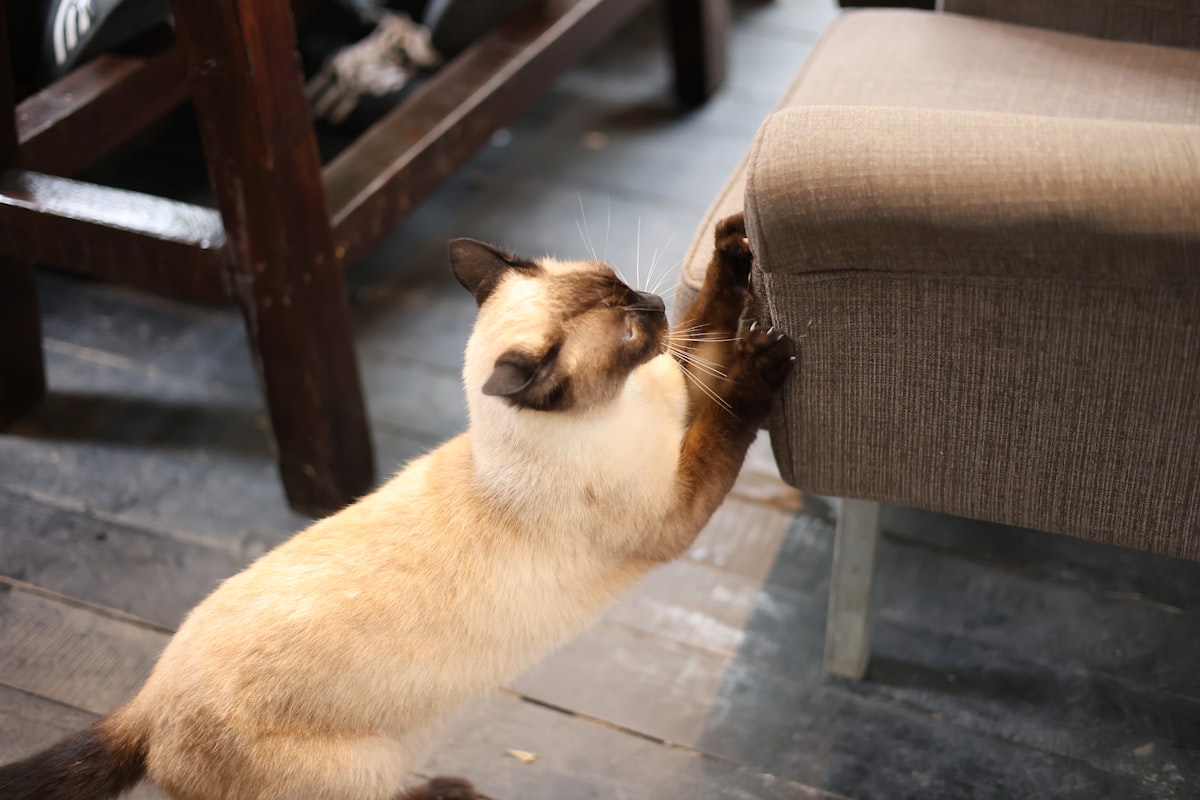
The outer fabric and construction quality (stitching, seam reinforcement) determine chew and scratch resistance far more than the internal filling material. A recycled-filling bed with a durable, reinforced outer shell will outlast a virgin-filling bed with weak construction — filling material isn't the durability variable most people assume it is.
4-Month Results
| Factor | Result |
|---|---|
| Loft retention after washing | Comparable to virgin polyester |
| Outer fabric wear | Depends on specific product's construction, not filling |
| Odor retention | No noticeable difference from virgin fill |
How to Verify the Sourcing Claim
Look for a specific quantified claim — a weight of recycled material or a bottle-count figure — rather than a vague "ocean plastic" label with no specifics, the same verification approach worth applying to any recycled-material product claim across categories.
What Actually Determines How Long a Pet Bed Lasts
Recycled ocean-plastic filling performs comparably to virgin polyester fill in terms of loft retention, but the cover fabric and seam construction matter more for real-world durability against claws and chewing — similar to how hardware and stitching predict a leash's lifespan more than the strap material does. A recycled-fill bed with a thin, poorly-stitched cover will fail before a virgin-fill bed with a rugged, reinforced one, regardless of which filling sounds more sustainable on the label.
Verdict
Recycled plastic filling doesn't compromise comfort or performance — prioritize the outer fabric and construction quality when choosing a bed, the same way you would with a virgin-fill product, and treat the recycled sourcing as a genuine bonus rather than the deciding durability factor.


Reviews & Comments
Loading...