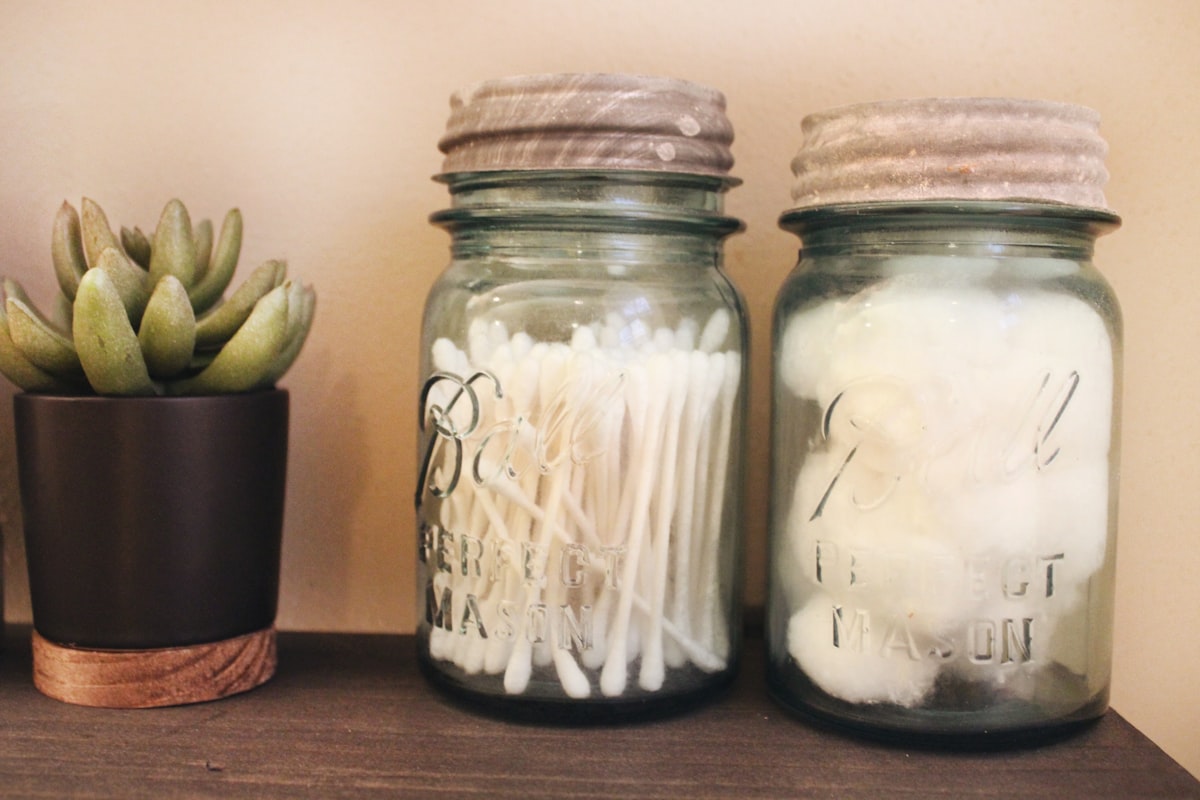
TL;DR: Reusable bamboo or cotton rounds win on performance for most skincare routines — they hold more product, shed less fiber than pressed disposable pads, and cost pennies per use once you're washing them with your regular laundry — but disposables still make sense for anything you don't want touching a reusable fabric twice, like acne treatments or nail polish remover.
The Performance Difference Nobody Mentions: Pilling
The most common complaint about cheap disposable cotton rounds isn't environmental — it's that they fall apart. Pressed 100%-cotton pads shed small fibers when you swipe them across skin, especially with toners or exfoliating acids, and those loose fibers can catch on skin or get left behind. Reusable rounds made from bamboo terry or a tighter cotton weave don't have this problem because they're woven or knit fabric, not pressed fiber — the same reason a washcloth doesn't shed the way a cotton ball does. If you've ever wiped toner across your face and picked white fuzz off your skin afterward, that's a disposable-pad problem, not something reusable rounds share.
Reusable rounds are also simply more absorbent per pad. A quality bamboo or cotton reusable round can hold significantly more liquid before it's saturated, meaning less product wasted soaking into the pad instead of your skin — a real consideration when you're using an expensive toner or serum.
What Reusable Rounds Are Actually Made Of
Most reusable rounds on the market are a two-sided design: a soft velour or terry side (bamboo viscose or cotton) for general use, and a slightly textured side for light exfoliation or makeup removal. Look for GOTS (Global Organic Textile Standard) certified organic cotton or OEKO-TEX certified bamboo, which regulate the processing chemicals and dyes used, not just the raw fiber source — the same distinction that matters for any textile marketed as "natural." They typically ship with a mesh laundry bag, which matters more than it sounds: washing loose rounds directly in a machine scatters them and can clog drain filters or get them lost in a load of laundry.
The Real Cost Comparison
A standard bag of disposable cotton rounds (roughly 80–100 pads) runs a few dollars and needs to be repurchased continuously — used once, thrown away, every time. A set of reusable rounds, typically sold in packs of 10–20 for somewhere around $12–$25, is rated by most manufacturers for 300–500 washes each. Run the math on daily use and a $20 set of reusable rounds can realistically replace several years' worth of disposable pad purchases, which is where the cost argument for reusables is strongest — not in any single purchase, but in what you stop buying every month afterward.
The Environmental Case, Without Overselling It
Cotton is one of the more water- and pesticide-intensive crops grown at scale, even though it covers a comparatively small share of global farmland — which is the real argument for reducing single-use cotton consumption, not just an abstract "plastic-free" talking point. Every disposable cotton round is a one-time draw on that resource footprint; a reusable round amortizes the same footprint over hundreds of uses. The honest caveat: reusable rounds aren't a zero-impact swap. Washing them uses water, detergent, and (if machine-dried) energy. The environmental win is real, but it depends on washing them with an existing laundry load rather than running a machine cycle just for a handful of face pads — batch them with towels or workout clothes rather than washing on their own.
Matching the Pad to the Product
Not every step in a routine puts the same demand on a pad. Micellar water and lightweight toners are thin and spread easily, so either pad type handles them fine. Thicker treatments — a chemical exfoliant, a liquid you're pressing rather than swiping — benefit from a reusable round's tighter weave, which won't shed fiber into the product the way a pressed disposable pad can when it's saturated and starting to break down mid-use. For makeup removal specifically, the textured side that most reusable rounds include on one face is genuinely useful for breaking down stubborn eye makeup, a job pressed cotton often handles less cleanly since it compresses and loses shape as it absorbs oil-based removers.
If reusable rounds feel like too big a jump, dye-free, bleach-free disposable cotton rounds are a reasonable middle step — they don't address the waste question, but they remove the bleaching-chemical residue argument some people raise against standard white disposable pads, at a similar price point to conventional ones.
Where Disposables Still Make Sense
- Acetone and nail polish remover will degrade the fabric and glue on some reusable rounds over time — check the manufacturer's guidance, and many recommend disposables for this specific use.
- Active acne treatment or antifungal products where you don't want residue transferring between uses even after washing — a fresh disposable pad removes any cross-contamination question entirely.
- Travel, where carrying a wet mesh bag of used rounds is genuinely more hassle than it's worth for a short trip.
- Hygiene during illness or active breakouts, where dermatologists sometimes recommend single-use pads specifically to avoid reapplying bacteria to compromised skin between washes.
The Bottom Line
For a normal daily cleansing-and-toning routine, reusable rounds outperform disposables on both feel and long-run cost, as long as you're willing to actually wash them — a set left damp and unwashed for days defeats the hygiene case entirely. Keep a small stash of disposables on hand for the specific situations — acetone, active treatments, travel — where a one-time-use pad is genuinely the better tool, rather than treating the swap as all-or-nothing.


Reviews & Comments
Loading...