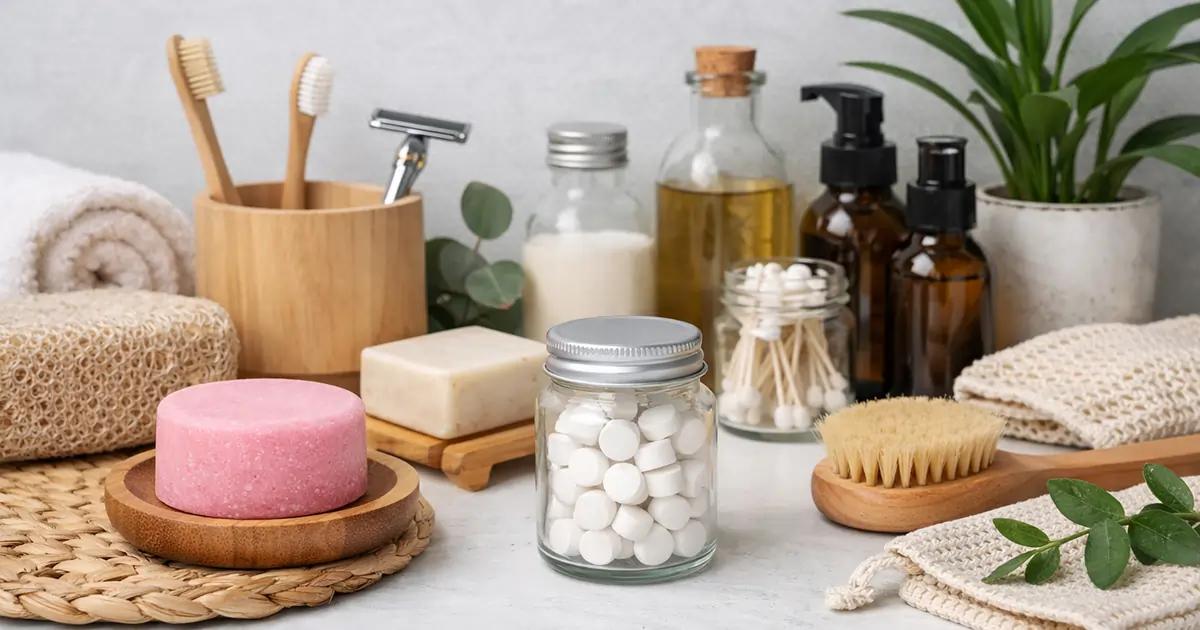
A typical bathroom quietly generates a surprising amount of waste. Shampoo bottles, toothpaste tubes, disposable razors, cotton pads, and plastic packaging add up quickly.
For many households trying to live more sustainably, the bathroom is one of the easiest places to start reducing waste.
The good news: building a zero waste bathroom doesn’t require throwing away everything you already own. The real goal is replacing products gradually with reusable, refillable, or plastic-free alternatives as you run out.
This zero waste bathroom guide walks through the easiest swaps to start with, the products that actually work in daily life, and the common mistakes beginners make when switching to low-waste routines.
If you’ve been curious about eco-friendly bathroom products but don’t know where to begin, this guide will help you make practical changes without turning your routine upside down.
What Is Ethique Pinkalicious Shampoo Bar?
Ethique is one of the most recognizable zero-waste personal care brands in the world. The company started in New Zealand with a simple idea: eliminate plastic shampoo bottles by turning liquid formulas into concentrated solid bars.
The Pinkalicious shampoo bar is one of their most popular formulas, designed for normal to oily hair. Instead of traditional soap, Ethique uses a syndet (synthetic detergent) base derived from coconut oil. This type of cleanser produces a rich lather without leaving the waxy buildup that many older shampoo bars were known for.
A single bar typically lasts 70 to 80 washes, which often replaces two or three full bottles of liquid shampoo.
Ingredients commonly include coconut-derived surfactants, pink grapefruit oil, and plant-based conditioning agents. The formula avoids sulfates like SLS, as well as parabens and silicones.
One detail many people notice during the first week of use is how lightweight the bar feels on hair. Unlike some solid shampoos, it rinses clean rather than leaving a coating.
Ethique also focuses heavily on packaging. The bars ship in compostable cardboard boxes rather than plastic containers, and the company reports preventing tens of millions of plastic bottles from entering landfills since its launch.
For anyone building a zero waste bathroom, shampoo bars are often the first and most impactful swap.
What Is Bite Toothpaste Bits?
Toothpaste tubes are surprisingly difficult to recycle. Most are made from layers of plastic and aluminum that municipal recycling systems can’t separate.
Bite Toothpaste Bits tackle that problem by removing the tube entirely.
Instead of paste, the product comes as small chewable tablets stored in a reusable glass bottle. To brush your teeth, you simply bite the tablet, add a wet toothbrush, and brush as normal. The tablet foams into a paste-like texture within a few seconds.
Each bottle typically contains about 62 tablets, enough for roughly one month of brushing twice daily.
Bite also runs a refill system. When the bottle runs empty, customers can order refill pouches made from compostable materials instead of buying another container.
The formula includes hydroxyapatite or fluoride options depending on the version, along with xylitol for cavity protection and natural mint flavor oils.
A detail many first-time users notice is that the texture feels slightly chalky during the first few brushes. After a few days, most people stop noticing it.
Toothpaste tablets are one of the fastest-growing zero waste bathroom swaps because they eliminate a product category that has historically been very hard to recycle.
Key Differences: Ethique Shampoo Bar vs Bite Toothpaste Bits
Cleaning Performance
Both products perform their main function well.
Ethique shampoo bars create a full lather similar to liquid shampoo and rinse out cleanly. Hair typically feels lightweight rather than coated.
Bite toothpaste tablets clean effectively, though the brushing texture feels different from traditional toothpaste at first.
Eco Credentials
Both brands focus heavily on waste reduction.
Ethique’s bars eliminate plastic bottles and ship in compostable cardboard packaging.
Bite reduces toothpaste tube waste with refillable glass containers and compostable refill packs.
Price Per Use
Neither product is dramatically more expensive than traditional alternatives.
Shampoo bars average around $0.20 per wash, which is comparable to mid-range bottled shampoos.
Toothpaste tablets usually cost about $0.10–$0.12 per brush.
Packaging
Ethique packaging is entirely compostable.
Bite uses refillable glass bottles, which last years when refilled.
Both eliminate single-use plastic packaging.
Best Machine / Use Case
Ethique works best for:
- ✓replacing liquid shampoo bottles
- ✓reducing shower plastic waste
- ✓travel situations where liquid bottles leak
Bite works best for:
- ✓eliminating toothpaste tubes
- ✓travel or carry-on luggage
- ✓minimalist bathroom storage
Pros and Cons
Ethique Shampoo Bar — Pros
- ✓Replaces several plastic shampoo bottles
- ✓Long-lasting bar with strong lather
- ✓Compostable packaging
Ethique Shampoo Bar — Cons
- ✓Higher upfront cost
- ✓Must dry between uses
Bite Toothpaste Bits — Pros
- ✓Eliminates plastic toothpaste tubes
- ✓Refillable glass bottle system
- ✓Compact and travel friendly
Bite Toothpaste Bits — Cons
- ✓Adjustment period for tablet texture
- ✓Slightly higher price than basic toothpaste
Which Is More Eco-Friendly?
Both products dramatically reduce bathroom waste compared with traditional options.
Liquid shampoo typically comes in thick plastic bottles that are difficult to recycle and often discarded after a few weeks of use. Shampoo bars remove that packaging entirely while reducing shipping weight.
Toothpaste tubes present a different problem. Because they combine plastic and aluminum layers, most recycling facilities reject them.
Bite’s refillable bottle system avoids that issue by switching to compostable refill packs.
Overall impact is surprisingly similar. Both brands reduce packaging waste by more than 80–90% compared with conventional bathroom products.
Ethique has a slight advantage because compostable cardboard packaging breaks down faster than refill pouches, but both options represent major improvements over disposable plastic containers.
Which Cleans Better?
Performance depends on the category.
Ethique shampoo bars perform almost identically to bottled shampoos when used correctly. The lather is rich, and the bars rinse clean without residue for most hair types.
Bite toothpaste tablets also clean effectively, though the brushing experience feels slightly different because the paste forms as the tablet dissolves.
The most noticeable difference isn’t cleaning power but texture.
Shampoo bars feel familiar after one or two washes, while toothpaste tablets usually take a few days to get used to.
Once that adjustment period passes, both products perform reliably in daily routines.
Who Should Choose Ethique?
Choose Ethique shampoo bars if you:
- ✓want to eliminate plastic shampoo bottles
- ✓prefer compostable packaging
- ✓travel frequently and want leak-free toiletries
- ✓want a long-lasting concentrated shampoo
Who Should Choose Bite?
Choose Bite toothpaste bits if you:
- ✓want to eliminate toothpaste tubes
- ✓like refillable container systems
- ✓travel often with carry-on luggage
- ✓prefer compact bathroom storage
Final Verdict
Building a zero waste bathroom starts with replacing the products you use every day.
Shampoo bars like Ethique remove one of the most common sources of bathroom plastic, while toothpaste tablets such as Bite eliminate tubes that rarely get recycled.
If you're just beginning your eco-friendly swap journey, the easiest next step is taking the SwapSages eco product quiz to find products tailored to your household.
You can also explore our full eco-friendly bathroom guide for more practical swaps that reduce plastic without complicating your daily routine.
Frequently Asked Questions
What does a zero waste bathroom mean?
A zero waste bathroom focuses on reducing disposable products and plastic packaging. Instead of single-use items like plastic bottles and cotton pads, the goal is to use refillable containers, reusable products, and compostable materials whenever possible.
What is the easiest zero waste bathroom swap?
Shampoo bars are often the easiest first step. They replace plastic shampoo bottles and work almost the same way as liquid shampoo once you learn how to lather them properly.
Are zero waste bathroom products more expensive?
Some products cost slightly more upfront, but many last longer. Shampoo bars, for example, often replace two or three bottles of liquid shampoo, which can make the price per use similar or even cheaper.
Do shampoo bars work for all hair types?
Most modern shampoo bars are formulated with gentle surfactants rather than soap. That means they work for many hair types, though people with very dry or curly hair may prefer pairing them with a solid conditioner.
Are toothpaste tablets dentist approved?
Many toothpaste tablets contain the same active ingredients found in traditional toothpaste, such as fluoride or hydroxyapatite. Dentists generally consider them effective as long as they include proper cavity-fighting ingredients.
Some links on SwapSages are affiliate links. We earn a small
commission if you buy through them — at no extra cost to you.
It never changes what we recommend.
Read our full disclosure.