Eco-Friendly Bathroom Products: The Complete Zero-Waste Guide
The average bathroom contains 20–30 plastic bottles at any one time — shampoo, conditioner, body wash, face wash, toothpaste, and more. Most are used once and thrown away. The bathroom is simultaneously the easiest room to overhaul and the one with the biggest plastic impact. In this guide you'll find the best shampoo bars, zero-waste toothpaste options, refillable deodorants, and plastic-free toilet paper. We'll explain the environmental stakes, show you how to make the switch without compromising on performance, and answer the questions we hear most from readers.
Top-Rated Bathroom Products
Not sure? Take the quiz →:max_bytes(150000):strip_icc()/ins-tier-3-primary-best-shampoo-bars-jkim-0302-fb08a8967eee455cae00869cb9e52c10.jpeg)
Solid Shampoo Bar
HiBar
Plastic-free, lasts 80+ washes. Sulfate and paraben free.
- ✓Plastic-free
- ✓80+ washes
- ✓Sulfate free
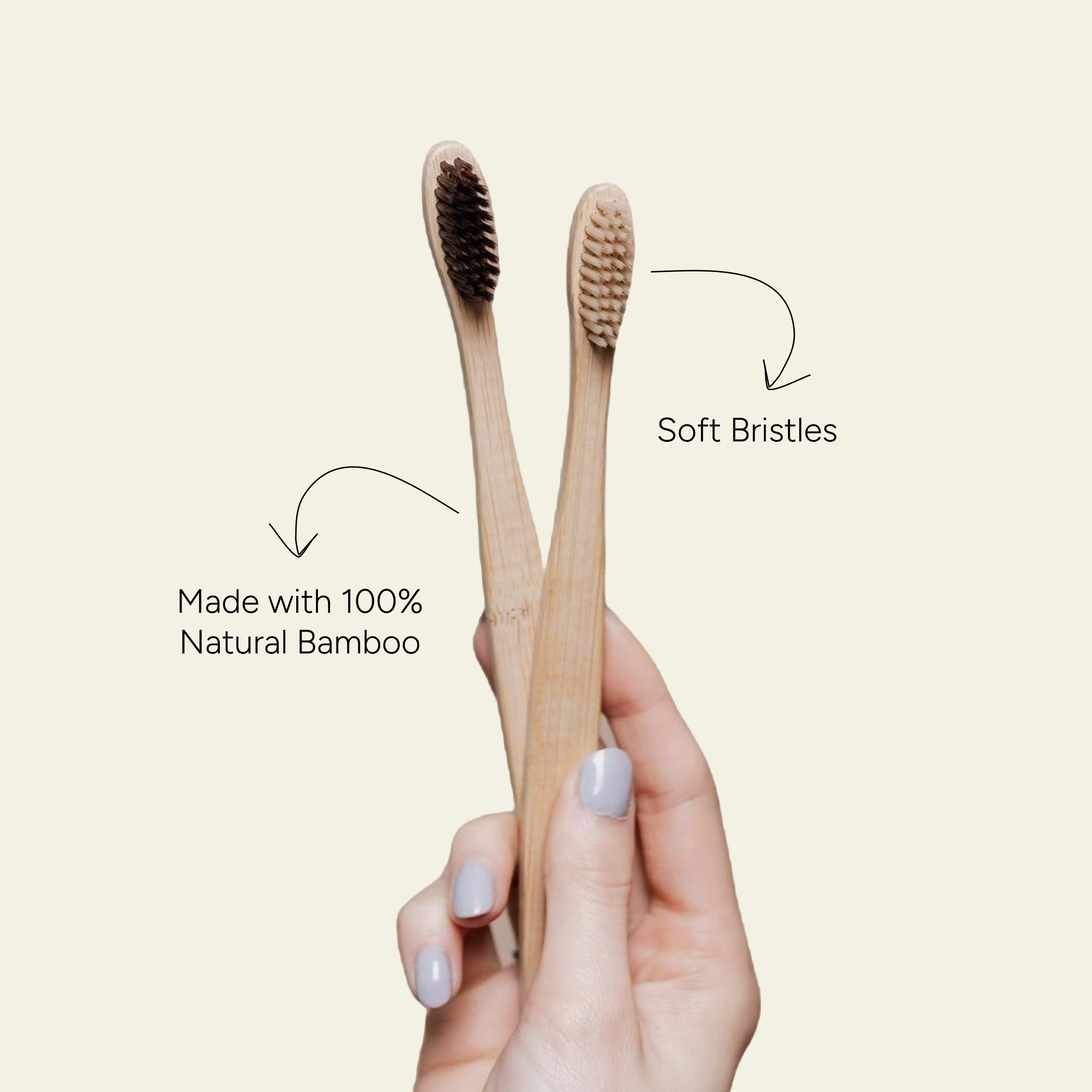
Bamboo Toothbrush Set
WooBamboo
FSC-certified bamboo handle, BPA-free bristles.
- ✓Biodegradable handle
- ✓Dentist approved
- ✓Plastic-free packaging
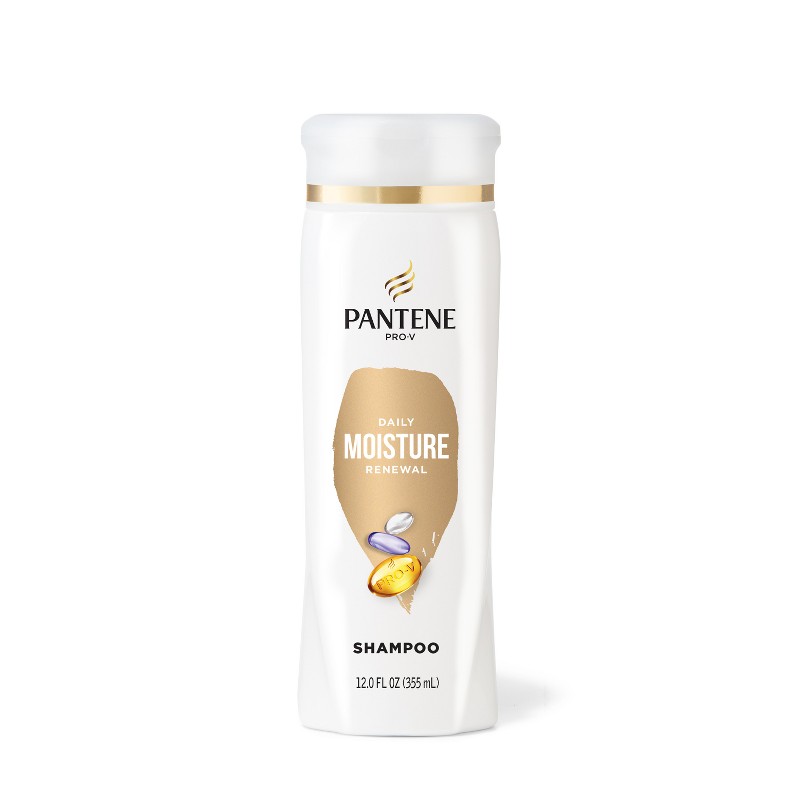
Pantene Pro-V Shampoo
Pantene
Mainstream liquid shampoo in a single-use plastic bottle. Contains sulfates and silicones for immediate shine, but the plastic bottle and rinse-off surfactant load are the main environmental drawbacks.
- ✓Widely available
- ✓Familiar lather and scent
- ✓Low upfront cost
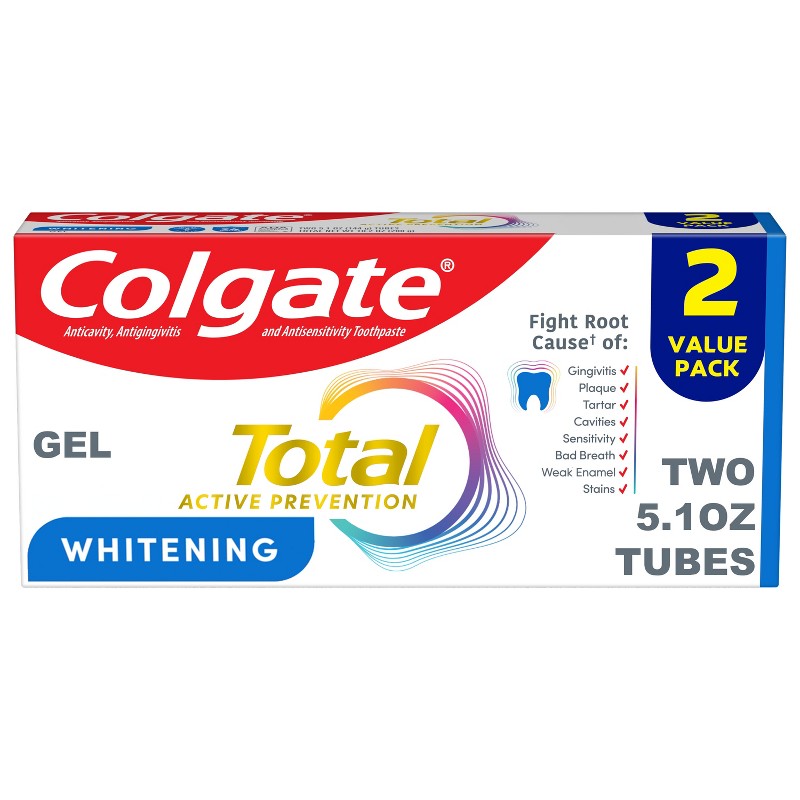
Colgate Toothpaste 2-Pack
Colgate
Standard plastic-handled toothbrush. Dentist-recommended bristle quality, but the polypropylene handle is not recyclable through most curbside programs and an estimated 1 billion end up in landfill annually in the US alone.
- ✓Cheap and familiar
- ✓Widely available
- ✓Consistent bristle quality
Latest Bathroom Articles


The case for switching
Why Your Bathroom Is the Best Place to Start
- ✓ The average person uses 11 personal care products per day, generating roughly 120 plastic bottles per household per year. Switching just three products to zero-waste alternatives removes 30–40 bottles annually.
- ✓ Most conventional shampoos and body washes contain silicones (dimethicone), PEGs, and synthetic fragrances that don't break down in waterways and accumulate in aquatic life.
- ✓ Wet wipes — even those labeled 'flushable' — are made of plastic fibers and are a major cause of sewer blockages, according to many US water utilities. Switching to reusable cotton cloths or washcloths eliminates this entirely.
- ✓ Conventional toothpaste tubes are not recyclable (they're multi-layer plastic/aluminum laminate). Toothpaste tablets and glass-jar alternatives produce zero landfill waste.
- ✓ Cost comparison: a shampoo bar (typically $10–14) lasts as long as 2–3 bottles of liquid shampoo and often works out cheaper per wash once you account for how long it lasts. The upfront price looks higher but the cost per use is lower.
How to do it
7 Tips for a Zero-Waste Bathroom
- 1 Start with one swap at a time Don't try to replace everything at once. When a bottle runs out, replace it with a zero-waste alternative. This avoids waste from discarding half-full products and lets you find what works for you gradually.
- 2 Give shampoo bars a 2-week adjustment period Your scalp produces excess oil when you first switch from sulfate shampoo — this is normal. Push through two weeks and production normalizes. A diluted apple cider vinegar rinse helps speed up the transition.
- 3 Invest in a bamboo toothbrush set Switch the whole family at once. Buy in bulk — sets of four bamboo toothbrushes typically cost about the same as one pack of conventional plastic brushes, and the handles are compostable.
- 4 Use a safety razor The upfront cost of a safety razor is about $25–40, but replacement blades cost just a few cents each. A single razor and its blades can last a lifetime; disposable plastic razors do not.
- 5 Make your own facial toner Rose water (rose petals steeped in distilled water) or diluted witch hazel in a reusable glass spray bottle replaces most toners at a fraction of the cost and zero packaging waste.
- 6 Swap cotton rounds for reusable pads A set of 16 reusable bamboo or cotton rounds costs about $10–12 and replaces thousands of disposable cotton rounds over its lifetime. Wash in a mesh laundry bag with your regular load.
- 7 Refill rather than replace Many natural beauty brands now offer refill pouches or in-store refill stations. Check whether your favorite brand has a refill option before buying a new bottle.
Also see: Personal Care swaps guide →
Common questions
FAQ
Everything readers ask us most about making the bathroom switch.
Get matched
Want personalised picks?
Answer 7 questions → we match you to the best swaps for your home.