Brita Pitcher vs AquaTru: Do You Actually Need Reverse Osmosis?
This isn't a case of one product being secretly bad — Brita does exactly what it's designed to do. The real question is whether what it's designed to do (chlorine taste, most lead/mercury/copper) is actually what's in your water, or whether you need the much broader removal reverse osmosis provides.
Quick answer: Brita pitcher filters remove about 97% of chlorine taste/odor and most lead, mercury, and copper, but are not designed to remove PFAS, fluoride, arsenic, or nitrates. AquaTru's reverse osmosis system removes 95–99% of those contaminants, at a much higher upfront cost ($449 vs $34.99).
Winner: AquaTru Classic Countertop Reverse Osmosis System
If your water utility's report shows PFAS, fluoride, arsenic, or nitrates above levels you're comfortable with, Brita simply isn't built to remove them — AquaTru's reverse osmosis membrane is a different tier of filtration, not just a pricier version of the same idea. If your only concern is chlorine taste, Brita is a genuinely reasonable, far cheaper choice and we're not going to pretend otherwise.
Brita Standard Pitcher Filter
Brita
- ✓Low upfront cost and no installation — fits in a fridge
- ✓Removes about 97% of chlorine taste/odor and most lead, mercury, and copper
- ✓Simple filter swaps, available at every US grocery store
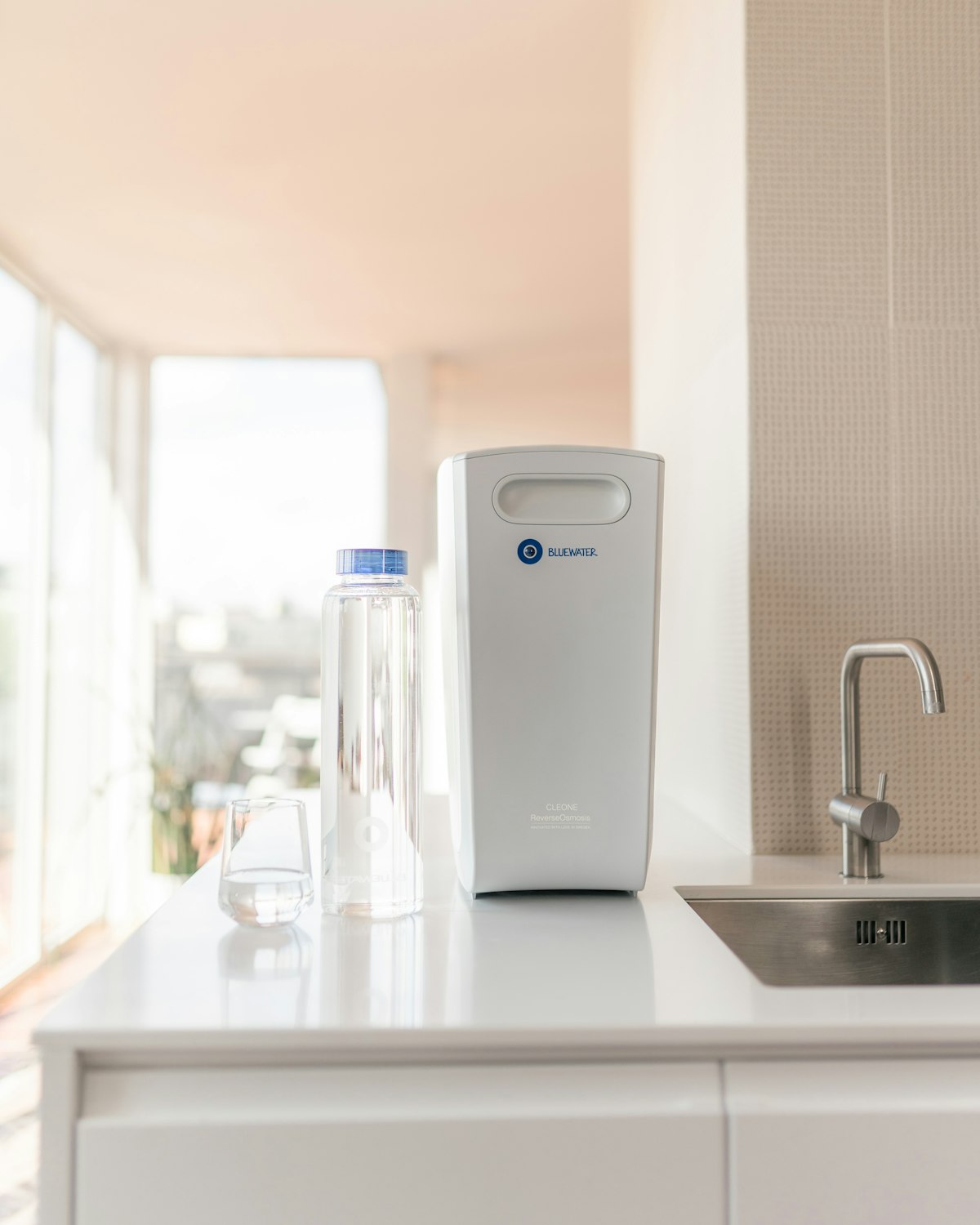
AquaTru Classic Countertop Reverse Osmosis System
AquaTru
- ✓No installation or plumbing required — fill the tank and plug it in
- ✓IAPMO-certified to NSF standards for reducing 84 contaminants including PFAS/PFOA and lead
- ✓More water-efficient than a typical under-sink RO system thanks to its recirculating design
Frequently Asked Questions
How do I know what's actually in my tap water?
Most US water utilities publish an annual Consumer Confidence Report (CCR) online — checking it for PFAS, fluoride, arsenic, or nitrate levels is the fastest way to know whether a pitcher filter is enough or you need something more thorough.
Is reverse osmosis water safe to drink long-term?
Yes — RO systems are widely used and considered safe. Some people add a remineralization filter afterward since RO also removes beneficial minerals along with contaminants.
Not sure which is right for you?
Take our quiz for a personalised recommendation based on your household and budget.
Take the free quiz →