Pantene vs Ethique: Which Shampoo Is Better for Your Hair and the Planet?
Both Pantene Pro‑V Shampoo and Ethique Shampoo Bar are designed to clean and care for hair, but they come from very different product philosophies. Pantene is a conventional liquid shampoo sold in a plastic bottle, while Ethique offers a solid, plastic‑free bar. This comparison looks at price, ingredients, sustainability and performance to help you decide which fits your routine and values.
Quick answer: Ethique’s shampoo bar generally outperforms Pantene Pro‑V in sustainability and gentle ingredients while offering similar cleaning results, making it the better overall choice.
Winner: Ethique Shampoo Bar
Ethique’s shampoo bar wins overall because it delivers comparable cleaning performance while using plant‑based ingredients, avoiding harsh sulfates and synthetic fragrances, and offering a plastic‑free, biodegradable package. Pantene remains a convenient, widely available choice at a lower upfront price, but its chemical profile and packaging are less eco‑friendly.
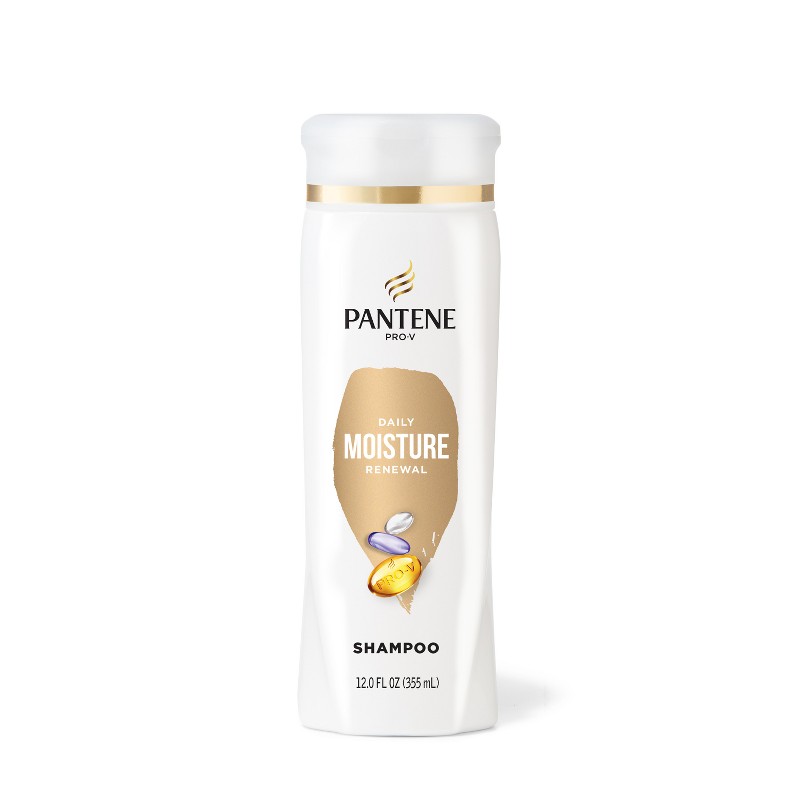
Pantene Pro-V Shampoo
Pantene
- ✓Widely available
- ✓Familiar lather and scent
- ✓Low upfront cost

Ethique Shampoo Bar
Ethique
- ✓Completely plastic-free packaging (compostable wrapper), certified vegan and cruelty-free
- ✓Concentrated formula lasts significantly longer per gram than bottled shampoo
- ✓B Corp certified with palm-oil-free sourcing
Frequently Asked Questions
Does the Ethique shampoo bar work for oily hair?
Yes, the bar’s natural surfactants cleanse oil without the harshness of sulfates, making it suitable for oily scalps.
Can I use Pantene Pro‑V on color‑treated hair?
Pantene’s formula is safe for color‑treated hair, but the presence of silicones can cause buildup over time.
How long does a 100‑g Ethique bar typically last?
Most users report getting 70‑80 washes from a single bar, depending on hair length and frequency.
Is the plastic bottle for Pantene recyclable?
The bottle is made of PET plastic, which is recyclable in most US curbside programs, though it still contributes to plastic waste.
Sources
- manufacturer ingredient list, EWG, company sustainability reports
Not sure which is right for you?
Take our quiz for a personalised recommendation based on your household and budget.
Take the free quiz →