Scotch-Brite Sponge vs Compostable Kitchen Sponge
Standard kitchen sponges are replaced every 2-4 weeks and go straight to landfill. We compared materials, scrubbing ability, and end of life against a compostable alternative.
Quick answer: Compostable kitchen sponges with a natural scrubbing layer handle everyday dishes, though a synthetic scrubber still has the edge on burnt-on food. The bigger difference is end of life: a standard sponge is petroleum foam that goes to landfill every few weeks, while a compostable one breaks down in a home compost bin.
Winner: Compostable Kitchen Sponge
A compostable cellulose sponge with a natural scrubber handles everyday dishes and, unlike petroleum-foam sponges, breaks down in a home compost bin instead of persisting in landfill and shedding microplastic fibers while in use. Keep a tougher scrubber on hand for heavily burnt-on pans.
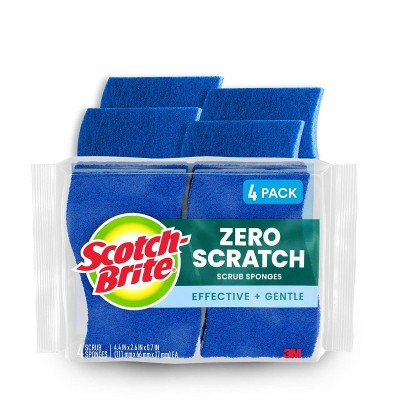
Scotch-Brite Sponge
Scotch-Brite
- ✓Effective scrubber
- ✓Cheap, widely available
- ✓Familiar texture

Compostable Kitchen Sponge
Twist
- ✓100% compostable
- ✓Natural antibacterial
Frequently Asked Questions
Do compostable sponges clean as well as Scotch-Brite?
For everyday dishes, yes. A natural scrubber like walnut shell or loofah is gentler than a synthetic scouring pad, so keep a tougher scrubber for burnt-on pans.
How often should a kitchen sponge be replaced?
About every 2-4 weeks for either type, since bacteria buildup is the limiting factor regardless of material; the difference is what happens to it afterward.
Can compostable sponges go in a regular home compost bin?
Yes, if every layer is natural (cellulose, loofah, walnut shell). Some sponges pair a cellulose body with a synthetic scrubbing side that cannot be composted, so check the label.
Sources
- BPI (Biodegradable Products Institute) home-compostable certification standards
Not sure which is right for you?
Take our quiz for a personalised recommendation based on your household and budget.
Take the free quiz →