Eco-Friendly Pet Products: The Complete Sustainable Pet Care Guide
Pet ownership has a significant environmental footprint — from the carbon cost of pet food to the billions of plastic poo bags that end up in landfill every year. But sustainable pet care is more accessible than ever: natural grooming products, compostable waste bags, biodegradable litter, and eco-friendly toys have all improved dramatically in quality and availability. This guide covers the best products for dogs, cats, and small pets — covering waste management, grooming, bedding, toys, and feeding accessories. We'll explain the environmental stakes, help you make the most impactful swaps first, and share seven practical tips for reducing your pet's paw print.
Top-Rated Pets Products
Not sure? Take the quiz →
West Paw Toppl
West Paw
The Toppl is a stackable treat-dispensing toy made from West Paw's proprietary Zogoflex material, which is genuinely recyclable through the company's own take-back program and is manufactured in the US. It's still a synthetic polymer product, and the eco benefit only materializes if the toy actually gets mailed back for recycling.
- ✓Made from Zogoflex, a material West Paw will recycle into new toys through its 'Join the Loop' take-back program
- ✓Manufactured in Bozeman, Montana rather than overseas
- ✓Durable and dishwasher-safe, so it doesn't need frequent replacing like cheap chew toys

Earth Rated Biodegradable Poop Bags
Earth Rated
Earth Rated's extra-thick, leak-proof bags are a dog-walking staple made partly from recycled plastic, with a lavender-scented and unscented option on a convenient single roll. They're a clear upgrade over flimsy grocery bags, but 'biodegradable' claims on any bagged waste are limited once it's sealed in a landfill.
- ✓Extra-thick and genuinely leak-proof compared to thin bulk-bin bags
- ✓Made with a percentage of recycled plastic rather than 100% virgin material
- ✓Single-roll dispenser format cuts down on packaging waste versus individual boxes
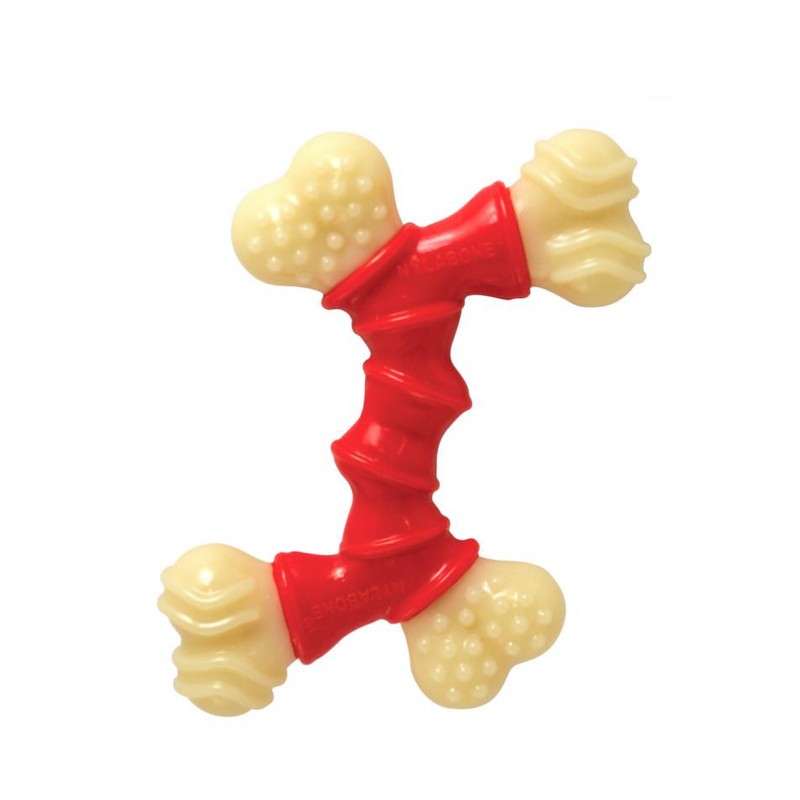
Nylabone Durachew
Nylabone
Nylabone's Durachew line is one of the most recognizable durable dog chews in the US, made from nylon and other petroleum-based plastics engineered to survive aggressive chewers. It meets standard pet-product safety guidelines, but as a petroleum-based nylon/plastic product it doesn't biodegrade, unlike West Paw's natural rubber.
- ✓Genuinely durable — built to survive aggressive, persistent chewers
- ✓Widely available at every US pet retailer
- ✓Decades of safety track record for this exact product category
Latest Pets Articles


The case for switching
Why Sustainable Pet Care Matters
- ✓ Conventional plastic poop bags take 500+ years to break down. Americans use an enormous number of these bags every year. Compostable alternatives (certified to the ASTM D6400 standard, look for the BPI logo) break down much faster under industrial composting conditions.
- ✓ Cat litter made from sodium bentonite clay is strip-mined from the earth, is not biodegradable, and cannot be composted. Wood pellet, paper, and tofu-based litters are renewable, biodegradable, and often cheaper.
- ✓ Synthetic dog toys made from PVC, latex dipped in synthetic chemicals, and nylon rope shed microplastics and can be harmful if ingested. Natural rubber, hemp rope, and organic cotton toys are safer and more durable.
- ✓ Most commercial pet shampoos contain synthetic detergents, artificial fragrances, and preservatives that can irritate pet skin and contaminate waterways. Natural formulas with oat, aloe, and plant-based surfactants are gentler and biodegradable.
- ✓ Pet food packaging is one of the hardest categories to make sustainable — pouches are multi-layer and unrecyclable. Switching to dry food in recyclable or compostable packaging, or brands with take-back programs, significantly reduces packaging waste.
How to do it
7 Tips for Eco-Friendly Pet Care
- 1 Switch to compostable poop bags Not all 'biodegradable' bags are created equal. Look for certification to the ASTM D6400 standard and the BPI logo — this indicates the bag is designed to break down under industrial composting conditions. 'Oxo-degradable' bags are not the same and should be avoided.
- 2 Try wood pellet cat litter Wood pellet litter absorbs odor as effectively as clay, costs significantly less, and is compostable in many municipal programs (check your local guidance for non-infectious pet waste). The pellets turn to sawdust when wet — sieve daily, replace weekly.
- 3 Make your own pet toys Old knotted t-shirts make excellent dog tug toys. Cardboard boxes and paper bags are enriching for cats at zero cost and are fully recyclable. Avoid plastic packaging repurposed as toys — they can be ingested.
- 4 Groom regularly to reduce bathing Regular brushing removes loose hair and dirt, reducing the frequency of full baths. Less bathing means less shampoo, less water use, and less stress for your pet.
- 5 Buy food in larger quantities Larger pack sizes of dry pet food have better packaging-to-food ratios than small pouches. If your pet tolerates it, a monthly bulk buy in a paper sack produces far less packaging waste than weekly pouch purchases.
- 6 Use a stainless or ceramic bowl Plastic pet bowls can harbor bacteria in scratches and leach chemicals over time. Stainless steel and ceramic bowls are dishwasher-safe, last indefinitely, and are healthier for your pet.
- 7 Consider secondhand pet equipment Crates, carriers, beds, and leashes are excellent secondhand purchases — they're typically in good condition and cost a fraction of new. Facebook Marketplace and Nextdoor have extensive listings in most areas.
Also see: Garden swaps guide →
Common questions
FAQ
Everything readers ask us most about making the pets switch.
Get matched
Want personalised picks?
Answer 7 questions → we match you to the best swaps for your home.