Water Filtration & Home Composting: The Complete Water & Waste Guide
Two things enter and leave every home constantly: water and waste, and both carry more environmental weight than most people realize. Municipal tap water is treated with chlorine or chloramine to keep it safe in transit, which is exactly why it can leave hair dry and skin irritated in the shower — and depending on your local supply and pipe age, it may carry trace lead, PFAS, or other contaminants a basic filter won't touch. On the other end, food scraps sent to landfill don't compost the way they would in your backyard; buried without oxygen, they break down anaerobically and release methane, a greenhouse gas dramatically more potent than CO2 over a 20-year period. This guide covers how to actually address both: shower filters and reverse osmosis systems rated to real NSF/ANSI standards (not just marketing claims), EPA WaterSense certified fixtures that cut water use without cutting pressure, and home composting methods that fit anything from a backyard to a studio apartment. We'll explain what each filtration standard actually certifies, the genuine tradeoffs of reverse osmosis (including the water it wastes), and how to start composting without attracting pests or giving up after two weeks.
Top-Rated Water & Waste Products
Not sure? Take the quiz →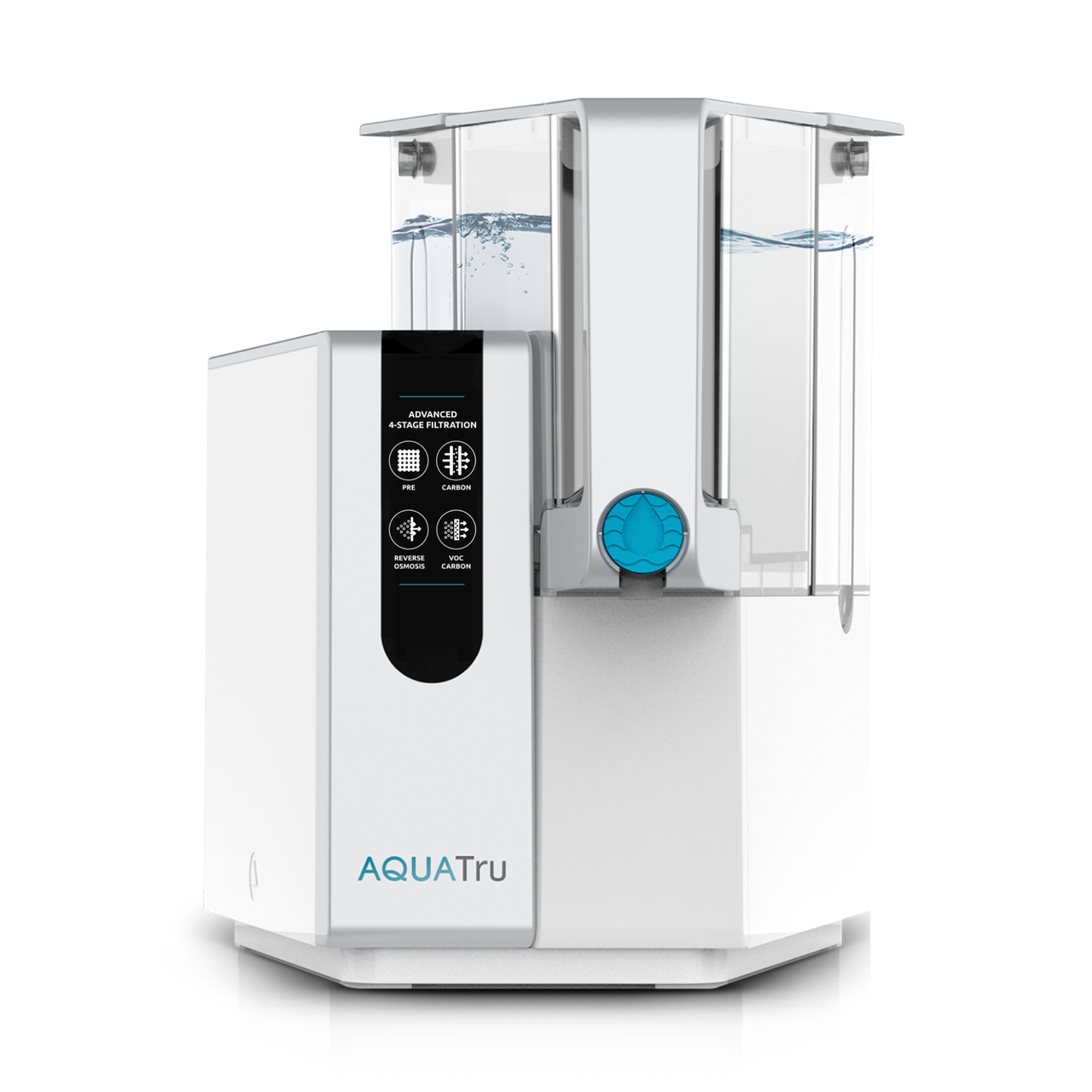
AquaTru Classic Countertop Reverse Osmosis System
AquaTru
A genuinely plumbing-free 4-stage reverse osmosis system that sits on the counter and plugs into a standard outlet — no drilling or under-sink install — and is independently certified to NSF/ANSI standards for removing 84 contaminants including PFAS and lead.
- ✓No installation or plumbing required — fill the tank and plug it in
- ✓IAPMO-certified to NSF standards for reducing 84 contaminants including PFAS/PFOA and lead
- ✓More water-efficient than a typical under-sink RO system thanks to its recirculating design

AquaBliss Shower Filter
AquaBliss
A 12-stage inline shower filter that uses KDF-55 media, calcium sulfite, and activated carbon to cut chlorine and sediment from shower water, with replaceable cartridges instead of a whole new unit every few months.
- ✓Installs in under 2 minutes with no tools, fits standard 1/2" shower arms
- ✓Cartridge is replaceable on its own, so you're not throwing out the whole housing every few months
- ✓Works with fixed, rain, handheld, and combo shower heads
Brita Standard Pitcher Filter
Brita
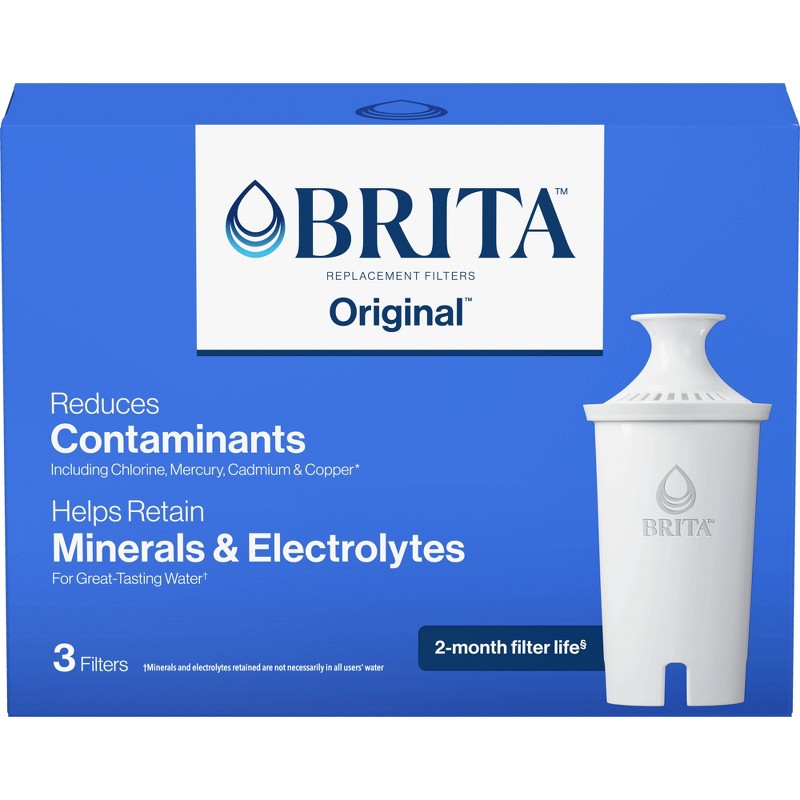
Brita is the most familiar water filter in the US — cheap, simple, and genuinely effective at what it's designed for: chlorine taste and odor, plus most lead, mercury, and copper. It is not designed to meaningfully remove PFAS, fluoride, arsenic, or nitrates, which is where reverse osmosis is a different tier of filtration, not just a pricier version of the same thing.
- ✓Low upfront cost and no installation — fits in a fridge
- ✓Removes about 97% of chlorine taste/odor and most lead, mercury, and copper
- ✓Simple filter swaps, available at every US grocery store
Latest Water & Waste Articles


The case for switching
Why Water & Waste Systems Deserve a Closer Look
- ✓ Chlorine and chloramine keep municipal water safe from pathogens in transit, but they also strip natural oils from hair and skin and vaporize into the air during a hot shower, where they can be inhaled. A shower filter using KDF media or activated carbon reduces chlorine exposure at the point of use without affecting the whole house's water treatment.
- ✓ Reverse osmosis systems certified to NSF/ANSI 58 remove the widest range of dissolved contaminants — including lead, arsenic, and fluoride — of any home filtration method. The tradeoff most sellers don't lead with: conventional RO systems waste roughly 3–4 gallons of water for every gallon they purify, though newer permeate-pump models cut that closer to 1.5:1.
- ✓ EPA WaterSense certified showerheads are independently tested to use 2.0 gallons per minute or less — versus the 2.5 GPM federal maximum for standard showerheads — while still meeting a minimum spray force standard, which is why a good WaterSense head doesn't feel like a weak trickle.
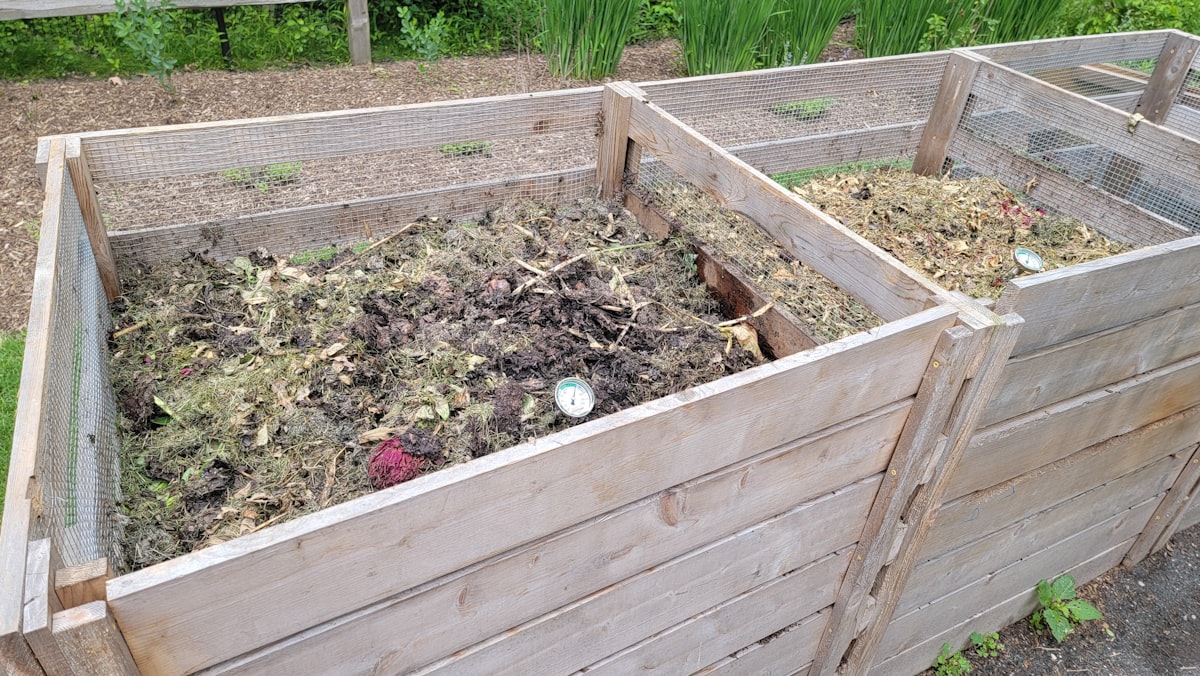
- ✓ Food waste sent to landfill is buried and compacted, so it decomposes anaerobically and produces methane — the EPA identifies landfills as one of the largest human-caused sources of methane in the US. Home composting breaks the same food waste down aerobically, avoiding that methane generation almost entirely.
- ✓ Not all filters remove the same contaminants: a basic carbon pitcher filter (NSF/ANSI 42) improves taste and reduces chlorine, but doesn't meaningfully remove fluoride, arsenic, or most dissolved salts. For those, you need a filter certified to NSF/ANSI 53 or 58, or a distiller — check the specific standard, not just the word 'filtered.'
How to do it
7 Tips for Cleaner Water and Less Waste
- 1 Get your water tested before buying a filter Request your local utility's Consumer Confidence Report or use a home test kit to see what's actually in your water. A filter chosen for the wrong contaminant — carbon for heavy metals, for instance — gives you a false sense of security while doing nothing.
- 2 Match the filter to the contaminant, not the price Carbon filters handle chlorine, taste, and odor well. Reverse osmosis and distillation are needed for fluoride, arsenic, and most dissolved solids. NSF/ANSI 53 or the newer P473 standard covers PFAS reduction specifically — check the certification, not just the marketing copy.
- 3 Swap your showerhead first It's the single cheapest, fastest water-saving change in the house — a WaterSense-certified showerhead installs in minutes with no plumber, and if you rent, keep the old one in a drawer to reinstall before you move out.
- 4 Add a KDF or carbon shower filter for chlorine A screw-on cartridge filter reduces chlorine exposure during hot showers specifically. Replace cartridges on the manufacturer's schedule (commonly every 6 months or a set number of gallons) — a spent cartridge stops filtering and can become a bacteria source.
- 5 Start composting with whatever fits your space A backyard tumbler works for houses with outdoor space; a worm bin (vermicompost) works on an apartment balcony or even under a sink; bokashi handles meat and dairy scraps other methods can't. Pick the method that matches where you live, not the most Instagrammable one.
- 6 Balance greens and browns Nitrogen-rich 'greens' (food scraps, coffee grounds) need roughly two to three times their volume in carbon-rich 'browns' (dry leaves, shredded cardboard, sawdust). Too many greens alone is the most common reason home compost turns slimy and smells bad.
- 7 Don't neglect an RO system's filters A reverse osmosis membrane and pre-filters need replacement on schedule — typically every 6–12 months for pre-filters and 2–3 years for the membrane. A neglected system doesn't just filter less effectively; stagnant, unreplaced cartridges can become a bacterial growth source, performing worse than no filter at all.
Also see: Energy Automation swaps guide →
Common questions
FAQ
Everything readers ask us most about making the water & waste switch.
Get matched
Want personalised picks?
Answer 7 questions → we match you to the best swaps for your home.