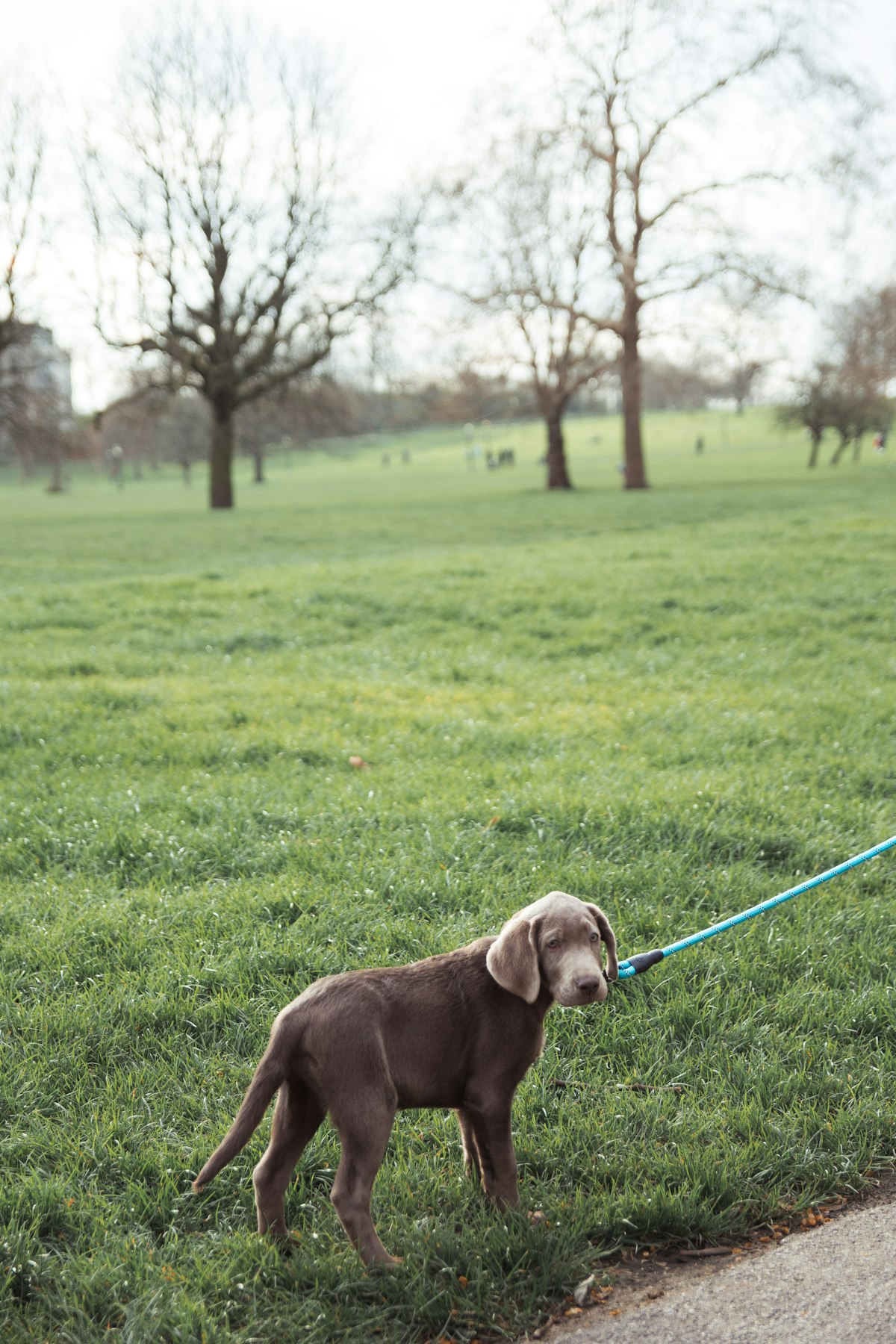
"Biodegradable" on a dog poop bag sounds like a promise: this will break down, unlike regular plastic. What that promise depends on — and what most people don't realize — is the environment the bag actually ends up in, and for the enormous majority of bags, that environment is a landfill.
What Biodegradable Plastic Actually Needs to Break Down
Biodegradable plastic relies on microbial activity, oxygen, and moisture to decompose. These aren't optional extras — they're the actual mechanism. Without sufficient oxygen and moisture, the microbes that would otherwise break the material down simply can't do their job at any meaningful rate.
Why Landfills Are Specifically Engineered to Prevent This
Here's the part that undercuts the whole premise: modern landfills are deliberately designed to be dry, dark, and oxygen-deficient. This isn't an accident or an oversight — it's intentional engineering, aimed at slowing decomposition generally, in order to reduce the production of leachate (contaminated runoff) and methane. A landfill is, by design, close to the worst possible environment for something that needs oxygen and moisture to break down.
What Research Actually Found
A study simulating landfill conditions found that a compostable film did fragment somewhat and showed some molecular weight decrease over time, but the degradation was remarkably slower than what the same material would experience in an actual composting process. In practice, this means a "biodegradable" bag sent to a standard landfill doesn't behave the way the label implies — it fragments, slowly, rather than genuinely breaking down within any timeframe most people would consider meaningful.
"Biodegradable" and "Compostable" Aren't the Same Claim
This distinction matters more than it usually gets credit for. Compostable products are generally certified to break down under specific, managed conditions — controlled heat, moisture, and microbial activity — within a defined timeframe, typically in an industrial composting facility. "Biodegradable" is a much looser, less regulated term with no guaranteed environment or timeframe attached to it at all, including whether that environment happens to be a landfill.
What This Actually Means for Choosing a Bag
If a "biodegradable" bag is going straight into a standard trash can headed for a landfill, the environmental benefit over conventional plastic is much smaller than the label suggests — it's likely to persist for a long time either way, just fragmenting slightly faster. If genuine breakdown matters to you, a certified compostable bag, actually composted (via municipal collection or a dedicated home system, following the caveats about pet waste and pathogens), is a meaningfully different and more verifiable outcome than a "biodegradable" bag tossed in the regular trash.



Reviews & Comments
Loading...