
Cornstarch dog waste bags market themselves as the compostable alternative to plastic, but "compostable" and "biodegradable" are different, specific claims — and there's a bigger issue underneath both: what happens to the waste itself, not just the bag.
Biodegradable vs Compostable, Again
Cornstarch bags are typically biodegradable — they'll break down faster and more completely than conventional plastic in an appropriate environment. But "compostable" is a stricter claim requiring breakdown within a specific timeframe under defined composting conditions (see our compostable vs biodegradable explainer for the full breakdown of these two terms).
The Bigger Issue: Pet Waste Itself
Even a genuinely certified-compostable bag doesn't solve the underlying problem: pet waste carries pathogen risks (parasites, bacteria) that most home composting systems don't reach the sustained high temperatures needed to fully neutralize. This is standard composting guidance independent of what the bag is made from — dog and cat waste isn't recommended for a typical home compost bin, period.
What Actually Happens to Most Cornstarch Bags
| Disposal path | Realistic outcome |
|---|---|
| Regular trash (most common) | Bag biodegrades faster than plastic, but landfill conditions slow this significantly |
| Home compost | Not recommended — pathogen risk from the waste itself |
| Specialized pet waste composting service | Ideal, but not widely available |
Where These Bags Actually End Up Matters More Than the Material
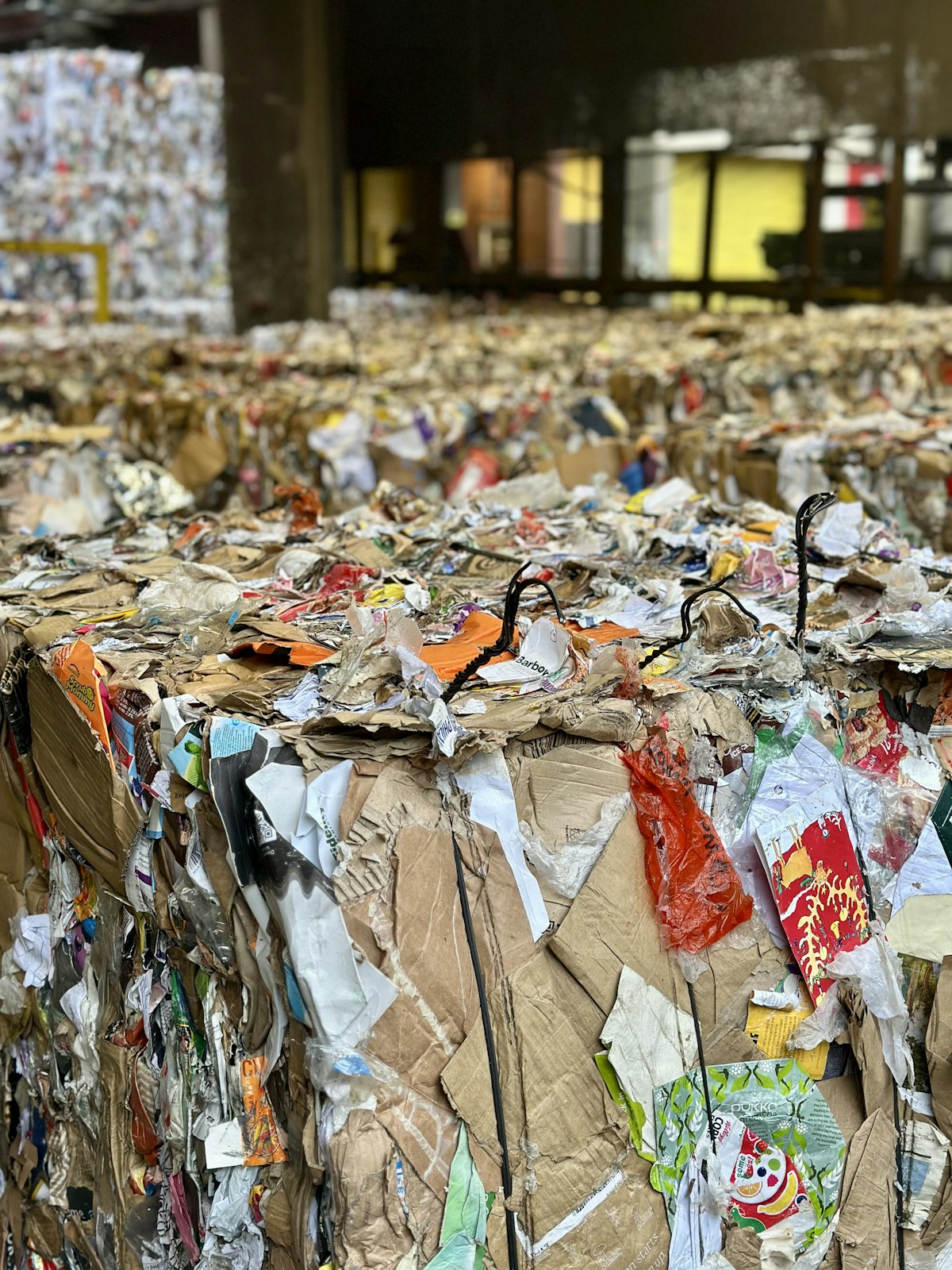
Even genuinely compostable material doesn't behave the same way in every disposal environment. Landfills are engineered to be dry and oxygen-deficient specifically to slow decomposition, which means a cornstarch bag tossed in regular trash breaks down barely faster than plastic despite the compostable label. If genuine breakdown matters, the bag needs to actually reach composting conditions — see our guide on what a safe, effective home composting setup for pet waste actually requires, including why it needs to stay separate from any compost used on food gardens.
Verdict
Cornstarch bags are still a genuine improvement over conventional plastic — they biodegrade faster and reduce the specific plastic-waste contribution of the bag itself. Just don't expect to compost the waste at home regardless of what bag you use; check for a specialized pet waste composting service in your area if that's genuinely important to you, since it's not a widely available option everywhere.

Reviews & Comments
Loading...