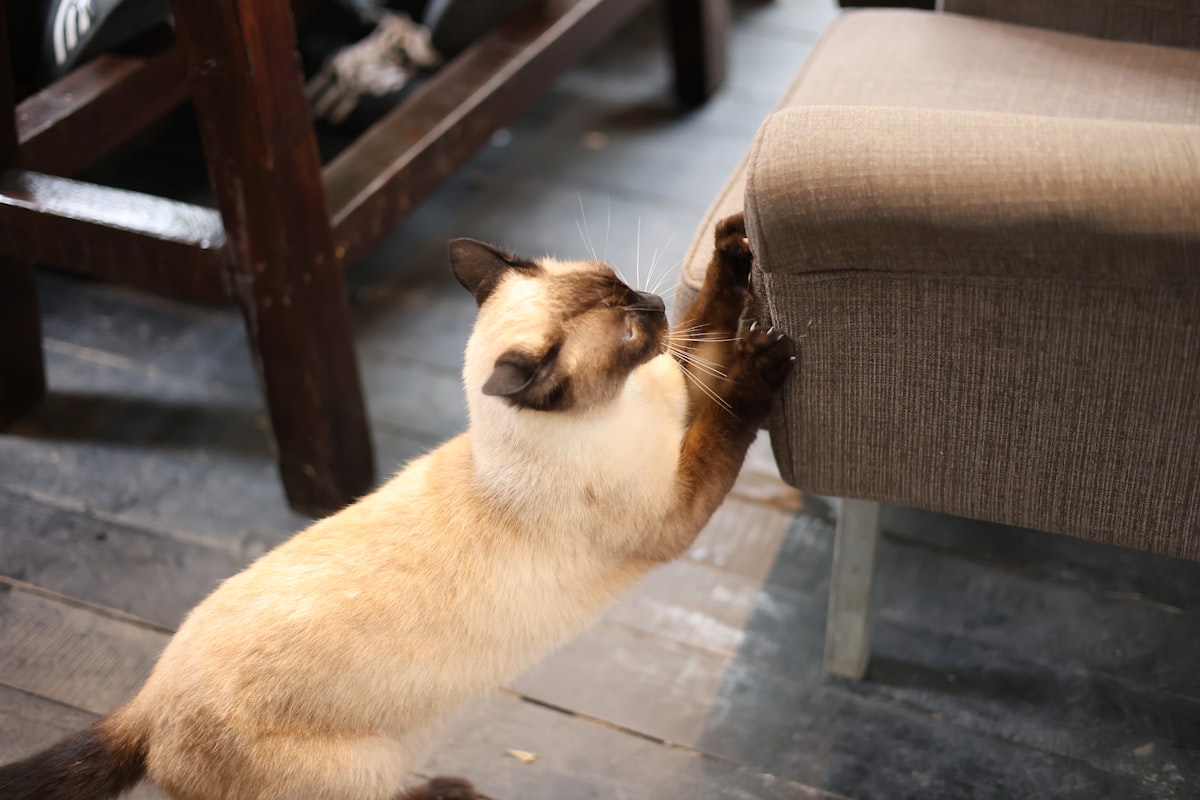
It would be easy to assume that "cats prefer sustainable, natural scratching materials" is just a story eco-marketing tells because it's convenient — pets don't get a say in branding, after all. Feline behavior researchers have actually gone and studied this directly, and the findings do support real material preference, just via mechanisms that have nothing to do with sustainability as a concept a cat could care about.
What the Research Actually Found
Studies on scratcher material have found that scratchers covered in rope and cardboard produced higher behavioral interaction than scratchers covered in sofa fabric — a real, measured difference in how much cats actually engaged with different materials, not just anecdotal impressions from owners. Separate research found a documented preference for chenille and a non-preference for synthetic leather and waterproof grosgrain materials specifically.
Why This Isn't About Cats Caring About Sustainability
The mechanism here almost certainly isn't "cats prefer natural materials" as an abstract category — it's about texture and resistance. Scratching serves a real functional purpose for cats: claw maintenance (shedding the outer sheath) and territorial marking through both visual marks and scent glands in the paw pads. Materials that provide the right resistance and texture for this — coarse rope, textured cardboard — satisfy that function better than smooth or slippery materials like synthetic leather or waterproof grosgrain, regardless of what the material happens to be made from in a sustainability sense.
The Kitten-Specific Finding
One study specifically found that kittens preferred S-shaped cardboard scratchers over other tested designs — an interesting, specific result, though it's worth noting this doesn't necessarily generalize directly to adult cat preferences, since the broader research base on adult cat scratcher preference is described as more limited than you might expect for such a common pet product category.
What Actually Helps If a Cat Is Scratching the Wrong Things
Beyond material choice, research on redirecting unwanted scratching found that positive reinforcement — rewarding the cat for using an appropriate scratching surface — was associated with reduced unwanted scratching elsewhere, while punishment-based approaches were associated with increased unwanted scratching. This suggests the material and the training approach both matter, and neither substitutes for the other.
What This Actually Means for Choosing a Scratcher
The research genuinely supports that material and texture affect whether a cat actually uses a scratching post — rope and cardboard have real evidence behind them, not just an eco-marketing narrative layered on top of an assumed preference. That the more researched, effective materials also happen to often be more sustainable than synthetic alternatives is a reasonable coincidence worth taking advantage of, not a claim to be skeptical of on its own.


Reviews & Comments
Loading...