TL;DR: Ethique and HiBar are syndet (sulfate-free, non-soap) bars that rinse cleaner in hard water and are gentler on color-treated hair, while Lush's traditional soap-based bars lather the biggest and offer the widest scent range but can leave a waxy film in hard water. If you're switching from bottled shampoo and aren't sure about your water hardness, start with HiBar or Ethique.
Why Shampoo Bar Chemistry Actually Matters
Not all shampoo bars are built the same way, and that difference explains almost every online complaint about "waxy hair" or a bar that just won't lather. There are two basic formula types in this category. True soap bars are made by saponifying oils with lye, the same process used for bar soap for centuries, and it's how Lush's original shampoo bars are made. Syndet bars, short for "synthetic detergent," use surfactants like sodium cocoyl isethionate (SCI) instead of true soap, which is how HiBar and Ethique formulate most of their ranges.
The distinction matters because soap is alkaline, typically landing around pH 9 to 10, while hair and skin sit closer to pH 4.5 to 5.5. Syndet bars are formulated to sit closer to that natural range. In soft water, both types can work fine. In hard water, soap reacts with dissolved calcium and magnesium to form a film, the same reason bar soap leaves ring residue in a hard-water shower, and that film is exactly what shows up as dullness or a waxy coating on hair.
HiBar: The Sulfate-Free Starter Bar
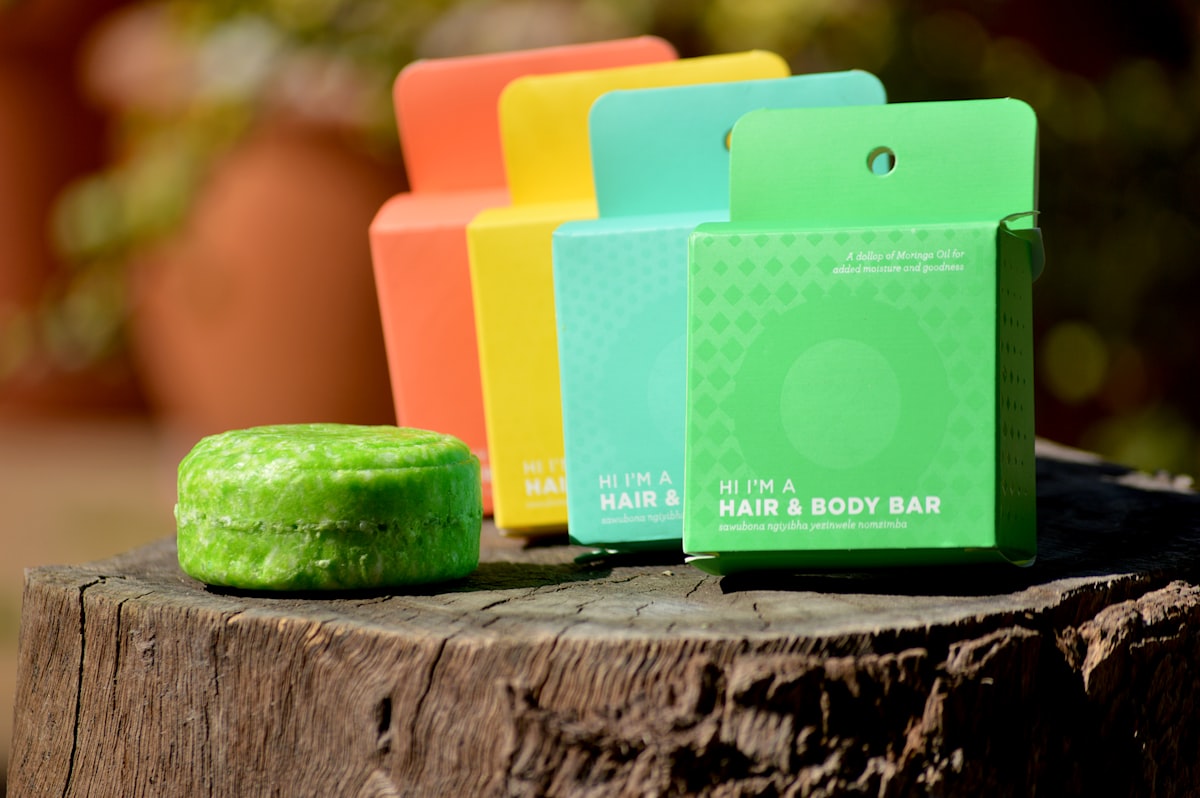
HiBar sells targeted formulas (Volume, Moisture, Color Care, Curl, Scalp) as syndet bars, and it's widely available at Target for less than most specialty eco retailers charge. Because the base is SCI rather than soap, HiBar rinses cleanly in most water conditions without needing an acidic rinse afterward. The tradeoff is a noticeably gentler lather than a true soap bar produces — it does the job, but it won't build the thick foam some people associate with a shampoo "working."
Ethique: The Concentrated, B Corp Option
Ethique is a New Zealand brand and a certified B Corporation, built around solid, concentrated bars shipped in fully compostable packaging instead of plastic bottles. Like HiBar, most of Ethique's shampoo bars are syndet-based, so the hard-water and color-fade story is similar: a cleaner rinse, a milder lather, and a formula closer to hair's natural pH. Ethique's bars are more concentrated than HiBar's, which is part of why they typically cost more per bar — but it's also why loyal users report getting a large number of washes out of a single one before it's used up.
Lush: The Original, Biggest Lather
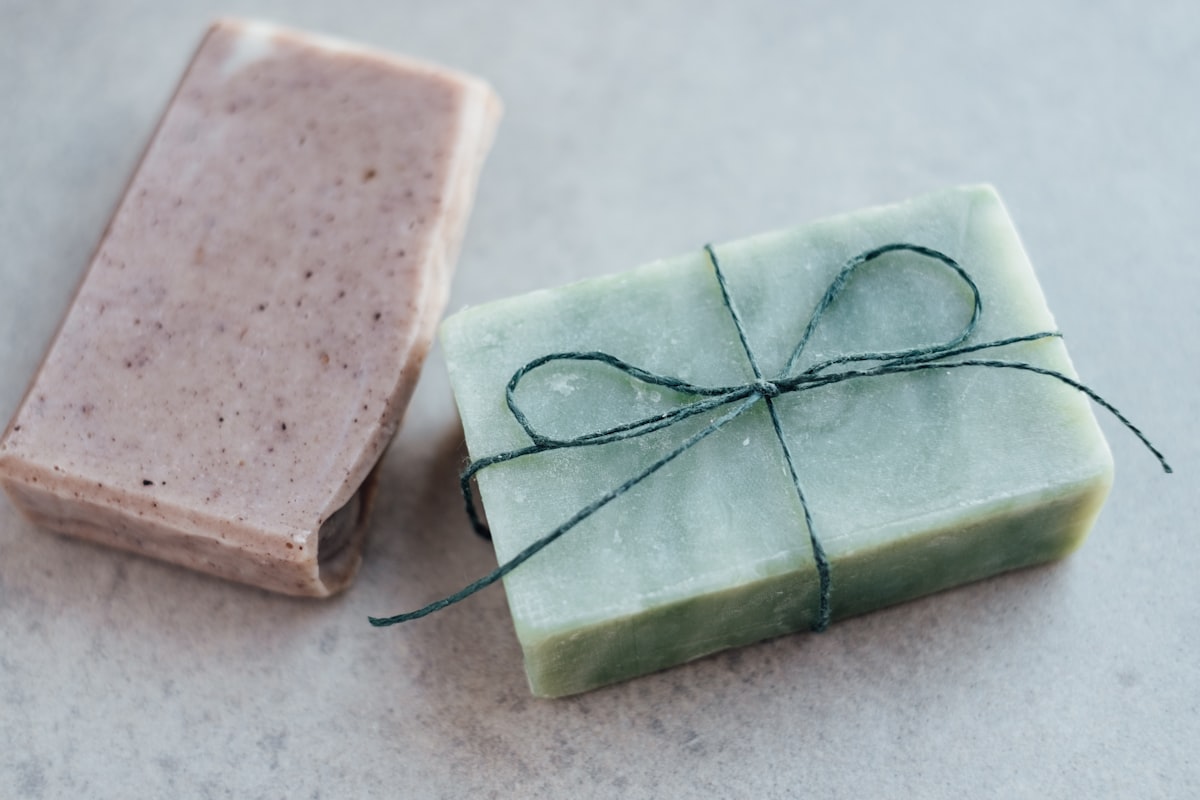
Lush popularized the shampoo bar category well over a decade ago and still sells its bars "naked," with no box and no plastic, across its physical stores worldwide. Several of Lush's bars are traditional cold-processed soap, which is why longtime Lush shoppers already know the routine: a diluted apple cider vinegar rinse after washing cuts through hard-water film and restores shine. In exchange, you get a genuinely thick, rich lather and a far larger range of scents and specialty formulas than either competitor — though some of those formulas include ingredients like honey, so not every Lush bar is vegan the way HiBar's and Ethique's ranges are.
HiBar vs Ethique vs Lush: Head-to-Head
| Attribute | HiBar | Ethique | Lush |
|---|---|---|---|
| Formula base | Syndet (SCI) | Mostly syndet | Traditional soap (varies by bar) |
| Hard water behavior | Rinses clean | Rinses clean | Can leave waxy film without a vinegar rinse |
| Lather | Light to moderate | Moderate | Thick, soap-like |
| Packaging | Plastic-free paper | Compostable, B Corp certified | "Naked," package-free |
| Where to buy | Target, hibar.com | ethique.com and retailers | Lush stores, lush.com |
Color-Treated Hair: What to Actually Expect
Because syndet bars are formulated closer to hair's natural pH, they're generally the safer starting point for color-treated hair — a lower, more balanced pH helps keep the hair cuticle smoother and more closed, which slows color fade compared with a higher-pH alkaline wash. That doesn't mean a soap-based Lush bar will strip color overnight, but colorists commonly point to alkaline cleansers as one factor in faster fade, especially with frequent use and hard water working against you at the same time.
Getting Through the Transition Period
Anyone switching from a bottled sulfate shampoo to any bar, regardless of brand, tends to go through a short adjustment window as the scalp recalibrates how much oil it produces. Sulfate shampoos strip oil aggressively, which trains the scalp to overproduce it between washes; a milder bar cleanses less harshly, and it can take one to three weeks for oil production to settle into a new baseline. During that stretch, hair may feel slightly waxy, flat, or oddly textured even with a well-performing bar like HiBar or Ethique — that's a normal recalibration, not necessarily a sign the bar is wrong for you. Rubbing the bar directly on wet hair rather than trying to build lather in your hands first, and giving it the full transition window before judging results, makes the switch noticeably smoother with all three brands.
The Verdict
There's no single "best" bar here, only a best bar for your water and your hair goals. If you have hard water, color-treated hair, or you're nervous about your first switch away from bottled shampoo, HiBar and Ethique are the lower-risk picks: HiBar if you want an accessible price at Target, Ethique if you want a more concentrated bar and don't mind paying more per unit for a B Corp-certified, fully compostable-packaged product. If you're in a soft-water area, don't mind an occasional vinegar rinse, and want the biggest lather and scent selection, Lush remains hard to beat — just check the ingredient list first if you need every bar to be vegan.


Reviews & Comments
Loading...