
TL;DR: Lotion bars cost more per ounce upfront but are far more concentrated than water-diluted bottled lotion, and their cardboard or tin packaging avoids the mixed-material pump mechanisms that make bottled lotion packaging harder to fully recycle.
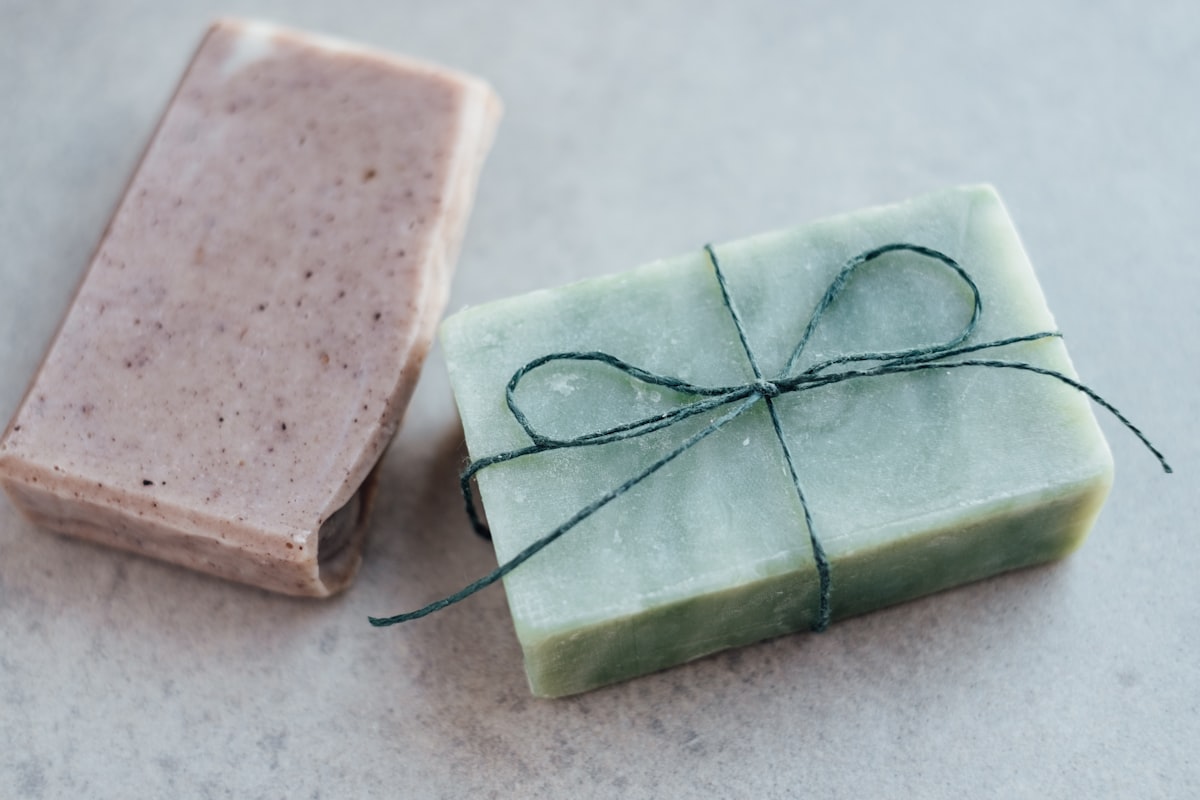
Solid lotion bars — a blend of oils, butters, and wax pressed into a bar you rub directly on skin — are marketed as a zero-waste alternative to bottled lotion. The skepticism is understandable: a 2-ounce bar frequently costs more upfront than an 8-ounce bottle of lotion, which makes it look like a worse deal on a per-ounce basis at first glance. That comparison misses two things: how much of a bottle's volume is actually active moisturizing ingredient, and how differently the two products get used.
Why Bottled Lotion Looks Cheaper Than It Is
Standard lotion is an emulsion, and a large share of that emulsion's volume is water, which is what gives lotion its pourable, spreadable consistency. When you buy an 8-ounce bottle, you're paying for that water content and the pump-bottle packaging around it, not just for a proportional 8 ounces of active moisturizing oils and butters. A solid lotion bar, by contrast, is essentially all oil, butter, and wax with no water added, which is a meaningfully more concentrated product even before you compare prices.
How the Two Products Actually Get Used
Application method changes the comparison too. With bottled lotion, it's easy to pump out more than you need, especially from a bottle that dispenses in a fixed amount per pump regardless of how much your skin actually absorbs. A lotion bar works by warming slightly from body heat and depositing a thin layer as you rub it directly on skin, which tends to produce a more deliberate, smaller amount per application. For example, if a 2-ounce bar lasts roughly two months of regular daily use for one person, while an 8-ounce lotion bottle used generously lasts closer to three to four weeks, the effective cost per month narrows considerably compared to the sticker price per ounce.
Packaging Waste: The Clearer Difference
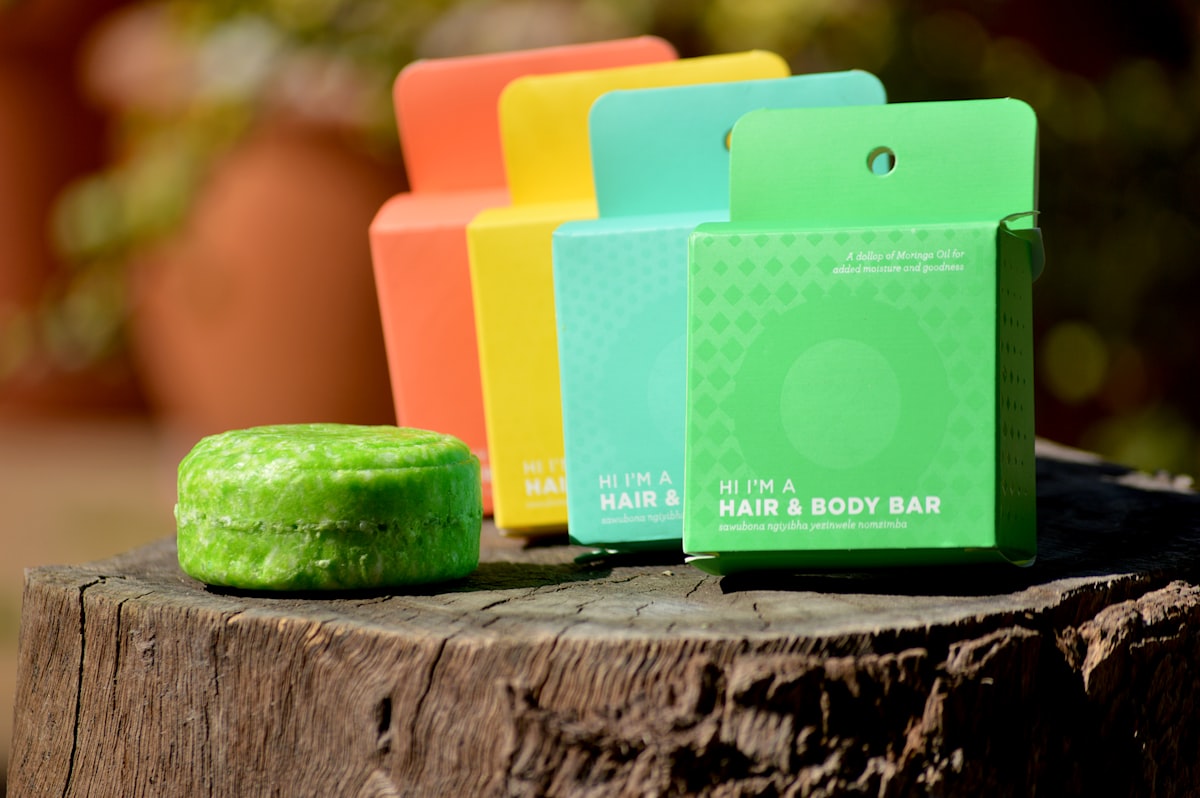
Bottled lotion typically comes in PET or HDPE plastic bottles, which are recyclable in many curbside programs — but the pump mechanism itself, made of multiple small plastic and sometimes metal parts, usually isn't, since mixed-material components are hard for sorting facilities to separate. Lotion bars are commonly sold in cardboard, paperboard, or reusable tins, all of which are either fully recyclable or reusable without the mixed-material sorting problem. Even in a scenario where the cost-per-use ends up roughly comparable, the packaging waste difference tends to favor the bar consistently.
When Bottled Lotion Still Makes Sense
Lotion bars have a learning curve and aren't the right fit for everyone. They can feel greasy in humid climates or on larger body areas where a fast-absorbing, spreadable lotion is more practical. Some people simply prefer the sensory experience of a pourable lotion. None of that is a wrong preference — it just means the packaging and concentration advantages of a bar only pay off if you actually adopt the different application habit it requires.
What's Actually in a Lotion Bar
Most lotion bars combine a hard butter like shea or cocoa butter for structure, a lighter oil such as sweet almond, jojoba, or coconut oil for spreadability, and a small amount of beeswax or a plant-based wax to firm the bar enough to hold its shape at room temperature while still melting slightly against warm skin. That formulation is part of why bars tend to feel heavier and more occlusive than lotion — there's no water to lighten the texture, so the same ingredients that make a bar concentrated also make it feel richer per application than a comparable amount of bottled lotion.
Storage and Shelf Life Differences
Without water in the formula, lotion bars are also less hospitable to the bacterial and mold growth that can affect water-based lotions if a bottle is contaminated or left open, which is part of why bars often skip the preservatives that bottled lotion typically needs. That's a secondary but real difference worth factoring in if ingredient minimalism matters to you, separate from the cost and packaging comparison. Bars do need to be stored somewhere cool, since high heat can cause them to soften or melt out of shape, which bottled lotion doesn't have to worry about.
How to Compare Them Yourself
- Don't compare sticker price per ounce directly — lotion is diluted with water, while a lotion bar is concentrated oil, butter, and wax.
- Track how long each product actually lasts you in real daily use rather than assuming the higher-priced item is automatically the worse deal.
- Check what the pump mechanism is made of before assuming a lotion bottle is fully recyclable — the bottle itself often is, but the pump usually isn't.
- If you dislike the feel of a lotion bar in humid weather, consider it for hands, elbows, and feet specifically rather than full-body use.

Reviews & Comments
Loading...