TL;DR: A household relying on paper towels for general cleaning spends about $78/year; microfiber cloths cost about $18.60/year after the first year (including laundering); and cotton rags cut from old towels or t-shirts cost about $15.50/year — both reusable options beat paper towels by roughly 4-to-1, and microfiber also cleans more effectively per wipe.
What Paper Towels Actually Cost a Household
A moderate-use household — general counter wipe-downs, spills, not full-time paper-towel cooking cleanup — goes through about one roll a week, or 52 rolls a year. At a realistic bulk price of $1.30–$1.70 per roll (12-packs of a mid-tier brand like Bounty Basic or a store brand), that's about $78/year, every year, forever, with a receipt going straight to the trash can after a single use.
What Microfiber and Cotton Rags Actually Cost
Both reusable options have the same basic cost structure: an upfront purchase, a slow replacement rate as cloths wear out or get relegated to dirtier jobs, and a laundering cost.
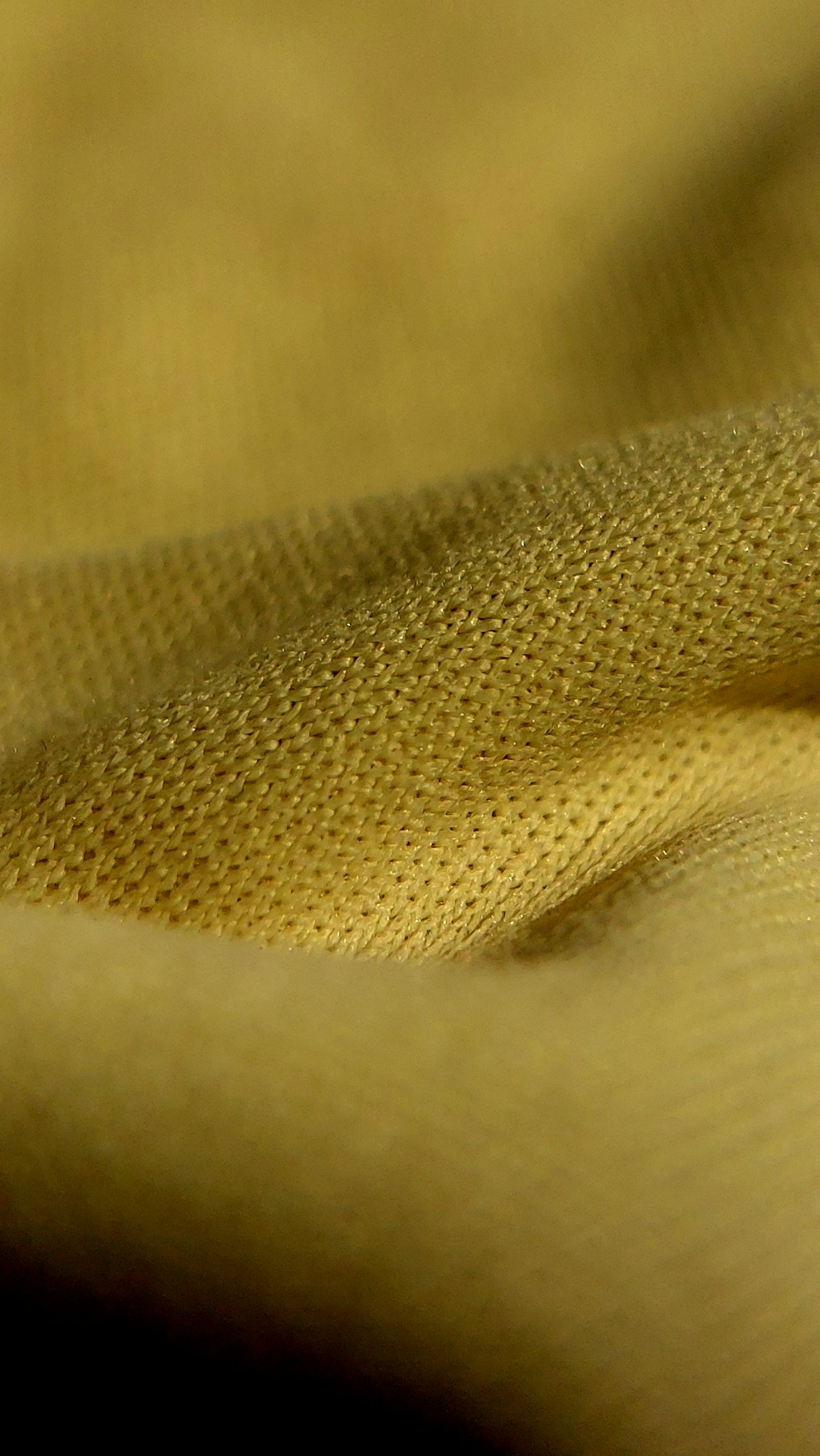
- Microfiber cloths — a 24-pack of generic microfiber towels runs about $16. They hold up well with regular care but do wear out faster than people expect, especially if machine-dried on high heat (which melts the split fibers that make microfiber effective). Figure replacing about a third of your stock per year: ~$5.60/year in replacement, plus roughly $13/year in dedicated laundering (a biweekly load at ~$0.50). Total: ~$18.60/year ongoing, or about $29 in year one when you buy the full pack.
- Cotton rags — cut from retired towels or t-shirts, the material cost is close to $0. If you buy a dedicated 12-pack of cheap cotton shop rags instead (~$10), replacing a quarter of them yearly plus the same laundering comes to ~$15.50/year.
Either reusable option beats paper towels by roughly 75–80% a year, every year, once you've made the one-time switch.
Cost Isn't the Whole Story — Cleaning Performance Differs Too
This isn't just a waste-reduction trade where you sacrifice results. Microfiber's split-fiber structure gives it dramatically more surface area than cotton or paper, which is why it physically traps dust, grease, and bacteria rather than just pushing them around — it's the reason hospitals and commercial cleaning crews adopted microfiber over cotton rags for high-touch surfaces. Cotton rags and paper towels rely more on absorbency and mechanical wiping, which works fine for spills and general wipe-downs but leaves more residue on greasy or streaky surfaces (glass, stainless steel) than a good microfiber cloth.
The trade-off: microfiber needs to be laundered separately from towels and clothes that shed lint (and ideally without fabric softener, which coats the fibers and kills their electrostatic pull), and it shouldn't go through a hot dryer repeatedly. Cotton rags are more forgiving to wash and dry however you want, which is part of why they remain the simplest, cheapest option if you're not chasing maximum grease-cutting performance.
How Far One Cloth Actually Goes vs One Roll
Coverage matters as much as unit price. A single roll of paper towels holds around 100-140 sheets, and most household spills or wipe-downs use one to three sheets per use before that sheet is wet through and gets tossed — so a roll typically covers 35–50 individual cleaning tasks before it's gone. One microfiber cloth, by contrast, can be rinsed, wrung, and reused dozens of times within a single laundry cycle, then washed and returned to service for months. Priced per actual cleaning task rather than per roll or per cloth, paper towels come out even worse than the annual totals above suggest, because so much of a sheet's absorbent capacity gets thrown away unused with a light wipe-down.
The one real objection to reusable cloths is hygiene: a cloth left damp in a ball under the sink for days can grow odor-causing bacteria in a way a single-use paper towel never will, since it's discarded before that has a chance to happen. The fix is simple — hang cloths to dry flat or over a rod between uses rather than balling them up wet, and run them through an actual wash (not just a rinse) at least weekly. Treated that way, the bacteria concern that shows up in casual "sponges are gross" arguments largely goes away.
Not All Microfiber Is the Same Price-to-Performance
Cheap microfiber cloths and premium ones are priced within a few dollars of each other per pack but perform very differently, which affects how many you actually need. Cloths are woven at different densities, usually described by weight (grams per square meter, or GSM) — budget cloths around 200–250 GSM feel thin and wear out faster, while denser cloths in the 300–400 GSM range (common in cloths marketed for auto detailing or "professional" cleaning packs) hold more debris per wipe, last longer before fraying, and generally justify a slightly higher per-cloth price. If you're buying microfiber for the first time, a mid-weight cloth is a better value than the cheapest bin option, since it directly affects the "replace a third of your stock per year" assumption in the cost math above — thin, bargain cloths wear out faster than that, while a better-made set can beat it.
Bottom Line
Paper towels are the expensive, disposable default — fine for genuinely gross one-off messes (raw meat juice, pet accidents) where you don't want to launder the cloth afterward, but a poor everyday habit at nearly $80/year with nothing to show for it. For daily counters, dishes, and general wiping, microfiber cloths are the better performer for a similar cost to cotton rags, while cotton rags remain the cheapest, lowest-effort choice if you're repurposing towels you already own. Keeping a small stack of paper towels for genuinely disposable messes, while switching everyday wiping to a reusable cloth, captures most of the savings without giving anything up.



Reviews & Comments
Loading...