Eco-Friendly Cleaning Products: The Complete Non-Toxic Guide
Conventional cleaning products are some of the most chemically aggressive substances in the average home. Bleach, ammonia, phosphates, synthetic fragrances, and antibacterial agents pour down drains daily, harming aquatic ecosystems and contributing to antibiotic resistance. The good news is that eco cleaning has matured enormously — concentrated tablets, refillable systems, and plant-based formulas now clean just as effectively as conventional products at comparable or lower cost. This guide covers the best all-purpose cleaners, toilet cleaners, oven degreasers, glass cleaners, and floor products — all plastic-free or low-plastic, all biodegradable, all genuinely effective. We'll help you choose what's right for your home and build a non-toxic cleaning kit that works.
Top-Rated Cleaning Products
Not sure? Take the quiz →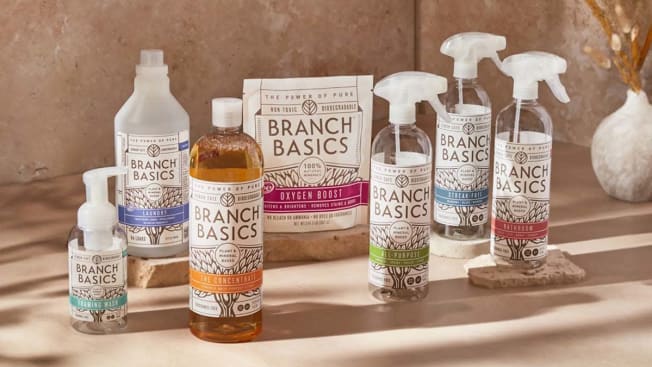
Branch Basics Concentrate
Branch Basics
One concentrate replaces 8 cleaners. EWG Verified, fragrance free.
- ✓Replaces 8 products
- ✓EWG Verified
- ✓Fragrance free
Dawn Ultra Dish Soap
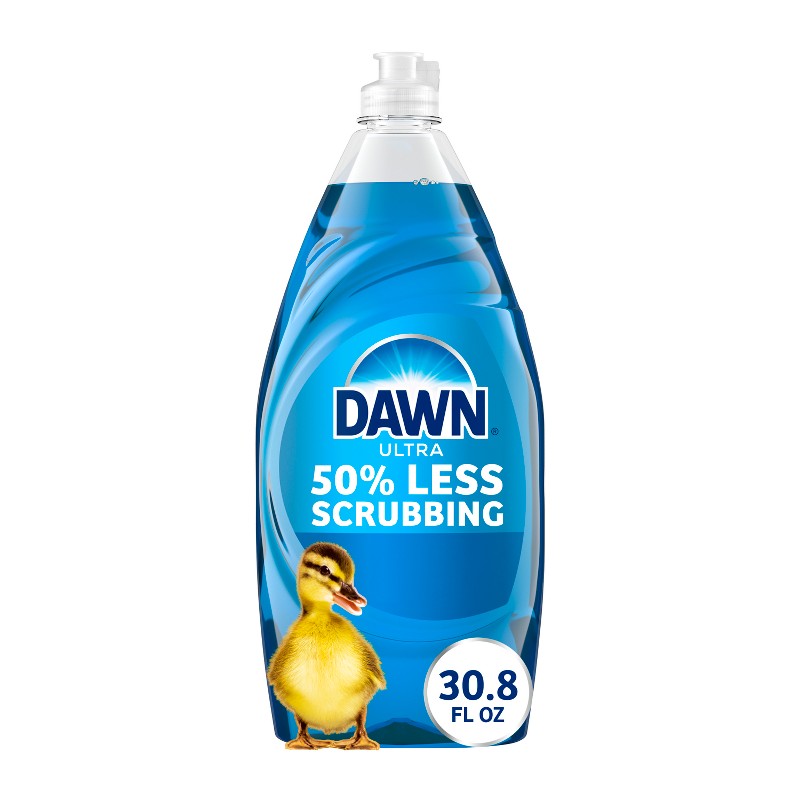
Dawn
The best-selling dish soap in the US. Cuts grease effectively, but is EWG-rated D due to methylisothiazolinone (MIT) and SLES, which can carry 1,4-dioxane contamination depending on manufacturing.
- ✓Excellent grease-cutting
- ✓Cheap and widely available
- ✓Trusted brand
Latest Cleaning Articles


The case for switching
Why Conventional Cleaning Products Are a Problem
- ✓ A 16-ounce bottle of standard multi-surface cleaner is roughly 95% water. Concentrated tablets dissolve in your own water at home, eliminating the plastic bottle and slashing transport emissions substantially.
- ✓ Phosphates in standard cleaning products cause eutrophication — algal blooms that deprive rivers and lakes of oxygen and kill aquatic life. Most eco formulas are phosphate-free and fully biodegradable.
- ✓ Triclosan in antibacterial cleaners contributes to antibiotic-resistant bacteria ('superbugs') and is not required for effective household cleaning. Regular plant-based surfactants remove the vast majority of bacteria without the resistance risk.
- ✓ Synthetic fragrance in air fresheners and cleaning sprays releases VOCs (volatile organic compounds) that degrade indoor air quality and have been linked to respiratory irritation and headaches.
- ✓ Americans go through an enormous number of cleaning-product plastic bottles every year, the majority of which end up in landfill or incineration. Switching to refillable or concentrated formats removes your share of this entirely.
How to do it
7 Tips for Non-Toxic, Low-Waste Cleaning
- 1 Make a universal cleaner from scratch Mix 1 part white vinegar with 1 part water in a reusable spray bottle. Add 10 drops of tea tree oil for antibacterial action. This handles the majority of household cleaning tasks at a cost of pennies per bottle.
- 2 Use baking soda for abrasive cleaning Baking soda is a gentle abrasive that tackles soap scum, oven grease, and sink stains without scratching surfaces. Paste with a little water, scrub, rinse — done.
- 3 Never mix bleach with anything Bleach + vinegar = chlorine gas. Bleach + ammonia = toxic chloramine vapor. If you use bleach at all, use it alone and diluted. For most jobs, it's unnecessary — a plant-based disinfectant works just as well.
- 4 Use a microfiber cloth instead of paper towels A microfiber cloth cleans surfaces with water alone — no cleaner needed in many cases. It captures bacteria mechanically rather than chemically. Wash in hot water to sanitize.
- 5 Clean drains with baking soda and vinegar Pour half a cup of baking soda down the drain, follow with half a cup of white vinegar, leave for 10 minutes, flush with boiling water. Clears minor blockages and odors without caustic chemicals.
- 6 Buy concentrates and refills Concentrated refill pouches (like those from Branch Basics, Blueland, or ECOS) typically cost 50–60% less per use than buying new bottles and use far less plastic. Most major retailers now stock them.
- 7 Ventilate while cleaning Even natural cleaning products can irritate airways in enclosed spaces. Open windows when using any cleaning product — it also speeds drying and improves indoor air quality year-round.
Also see: Kitchen swaps guide →
Common questions
FAQ
Everything readers ask us most about making the cleaning switch.
Get matched
Want personalised picks?
Answer 7 questions → we match you to the best swaps for your home.