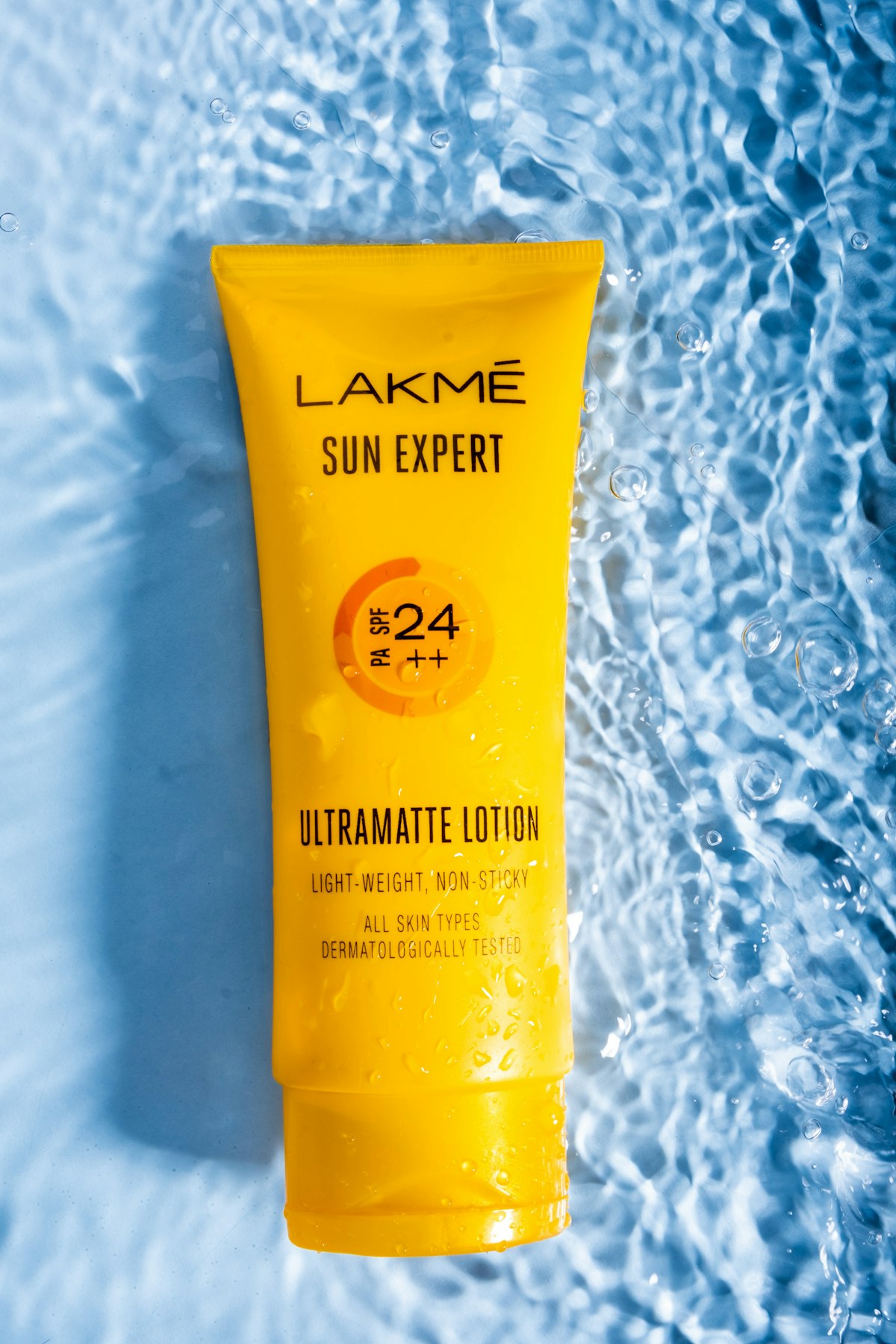
TL;DR: Mineral sunscreens (zinc oxide, titanium dioxide) protect the instant they're applied and hold up better in direct sun, while chemical sunscreens feel lighter and absorb faster — which in practice drives better reapplication habits. For most adults' daily routines, that wearability advantage often outweighs mineral's protection edge, unless you're outdoors for extended periods.
How the Two Actually Work — This Is the Part That Matters
Mineral and chemical sunscreens aren't just "natural vs. synthetic" marketing categories — they work through genuinely different mechanisms, and that difference explains almost every practical tradeoff between them.
Mineral (physical) sunscreens use zinc oxide and/or titanium dioxide, which sit on top of the skin and primarily reflect and scatter UV radiation before it penetrates. Because they work physically rather than chemically, they're protective the moment they're rubbed in — there's no activation window.
Chemical (organic) sunscreens — avobenzone, octinoxate, octisalate, homosalate, octocrylene, and oxybenzone are the common ones — absorb UV radiation and convert it to a small amount of heat through a photochemical reaction. This requires the filters to bind into the skin's outer layer first, which is why dermatologists recommend applying chemical sunscreen 15–20 minutes before sun exposure. Apply it right before walking outside and you're under-protected for the first several minutes.
What the FDA's Own Review Actually Found
In its 2019 and 2021 proposed rulemaking on sunscreen active ingredients, the FDA classified only zinc oxide and titanium dioxide as GRASE (generally recognized as safe and effective) outright. For twelve chemical filters — including oxybenzone, avobenzone, octocrylene, homosalate, octisalate, and octinoxate — the agency said there wasn't enough data to make a GRASE determination either way, and requested additional safety studies. That's not the same as the FDA declaring chemical filters unsafe; it means the bar of evidence for "definitively fine" hasn't been cleared the way it has for the two mineral filters.
Separately, FDA-funded pharmacokinetic studies (published in JAMA) found that several chemical filters — avobenzone, oxybenzone, and octocrylene among them — are absorbed into the bloodstream at levels that exceed the FDA's own threshold for requiring further toxicology testing, even with normal, on-label use. Again, absorption above that threshold triggers more research, not an automatic safety verdict. But it's a real, published finding, not a wellness-blog talking point, and it's the strongest evidence-based argument for mineral sunscreen in adults who want to minimize systemic exposure.
Where Chemical Sunscreen Actually Wins
The honest case for chemical sunscreen isn't about protection quality — it's about compliance. Chemical formulas are thinner, absorb without a residue, and layer invisibly under makeup or moisturizer, which is a real factor in whether people actually reapply. Mineral sunscreens have improved dramatically with micronized and "tinted" formulations that cut the old white-cast problem, but the better ones (with enough zinc oxide to be effective — look for 15%+ zinc oxide as the primary active) still tend to sit heavier and can leave a faint cast on deeper skin tones. A sunscreen that gets reapplied because it's pleasant to wear will often out-protect, over the course of a full day, a technically superior formula that gets skipped after the first application.
Where Mineral Sunscreen Actually Wins
- Photostability. Avobenzone, one of the most common UVA-filtering chemical ingredients, degrades in direct sunlight unless it's stabilized by another ingredient like octocrylene — meaning some chemical formulas lose potency over a couple of hours outdoors. Zinc oxide doesn't degrade this way; it's a physical barrier, not a chemical reaction that runs out.
- Immediate protection. No 15-20 minute wait, which matters if you're stepping outside right after applying.
- Sensitive and reactive skin. Oxybenzone in particular is a well-documented cause of contact and photoallergic skin reactions in a meaningful minority of users. Mineral formulas are the default recommendation for rosacea-prone or eczema-prone adult skin.
- Broadest UVA1 coverage. Zinc oxide covers a wider swath of the UVA spectrum than any single chemical filter, which is why it's often paired into chemical formulas anyway.
The Factor That Matters More Than Either Type
Both mineral and chemical products, when they carry the FDA's "Broad Spectrum" label, have passed the same critical-wavelength UVA testing — the label means something regardless of type. What actually determines real-world performance is application amount and frequency. The SPF number on the bottle is tested at 2 mg per square centimeter of skin, which works out to roughly a quarter teaspoon for the face alone; most people apply well under half that amount, which cuts the effective SPF far more than choosing mineral over chemical (or vice versa) ever would. A person who applies SPF 30 chemical sunscreen at the correct thickness and reapplies every two hours is better protected than someone using SPF 50 mineral sunscreen once in the morning and never again.
Hybrid Formulas Are More Common Than the "Mineral vs. Chemical" Framing Suggests
A lot of sunscreens marketed as "mineral" are actually hybrids that pair zinc oxide with a small amount of a chemical filter to reduce the white cast and thicken texture that pure high-percentage zinc oxide formulas have. Reading the active ingredients panel on the back of the bottle, not the front-of-label marketing, is the only reliable way to know which one you're actually using. It's also worth separating tinted mineral sunscreens from tinted moisturizers: the tint in most mineral sunscreens comes from iron oxides, which aren't UV filters at all but do add real protection against visible light — genuinely useful for anyone dealing with melasma or post-inflammatory hyperpigmentation, since visible light (not just UV) can worsen those conditions and standard UV-only sunscreens don't block it.
Skin Tone Is a Real Factor, Not a Marketing Detail
The white-cast complaint against mineral sunscreen isn't cosmetic vanity — on deeper skin tones, an ashy cast is a genuine barrier to consistent daily use, and a sunscreen that gets left in the drawer protects no one. Formulation has improved substantially: micronized and tinted mineral sunscreens with iron oxide tinting blend in far better than the thick white lotions of a decade ago, but there's still real variation between brands, and it's worth testing a small amount before committing to a full-size bottle rather than assuming all "mineral" formulas perform the same on a given skin tone.
The Bottom Line
For extended midday sun, sensitive skin, or anyone who wants to minimize systemic absorption while the FDA's review is still open, mineral sunscreen is the more defensible choice. For a normal day of incidental sun exposure — commuting, errands, an office with windows — a chemical sunscreen you'll actually reapply without complaint may protect you better in practice than a mineral one you resent wearing.



Reviews & Comments
Loading...