Clean Skincare & Makeup: The Complete Guide to Safer Beauty
The "clean beauty" label on a product means almost nothing on its own — there's no legal definition of "clean," "natural," or "non-toxic" in U.S. cosmetics regulation, and the FDA does not pre-approve cosmetic ingredients or require safety testing before a product reaches shelves. That gap is exactly where greenwashing thrives. This guide cuts through the marketing and shows you what actually distinguishes a genuinely safer skincare or makeup product: real third-party certifications, ingredient transparency you can verify yourself, and formulas that swap out the ingredients with the most consistent safety concerns without sacrificing performance. We'll cover foundation and concealer that hold up next to conventional makeup, gentler alternatives to retinol for sensitive skin, and how to read an ingredient list like someone who does this for a living. Whether you're rebuilding your routine from scratch or making one swap at a time, you'll leave knowing exactly what to look for — and what to ignore.
Top-Rated Skin & Makeup Products
Not sure? Take the quiz →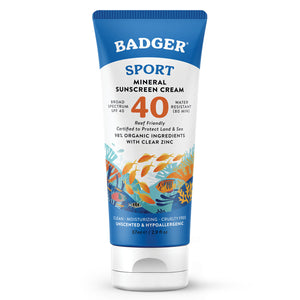
Badger Mineral Sunscreen
Badger
A reef-safe mineral sunscreen built from just a handful of organic ingredients and zinc oxide, water-resistant for 80 minutes, but the thick cream leaves a visible white cast that takes real effort to rub in.
- ✓Reef-safe zinc oxide formula, certified to the Protect Land + Sea standard with no oxybenzone or octinoxate
- ✓Simple ingredient list: zinc oxide, organic sunflower oil, organic beeswax, and vitamin E
- ✓80 minutes of water resistance for swimming or sweating
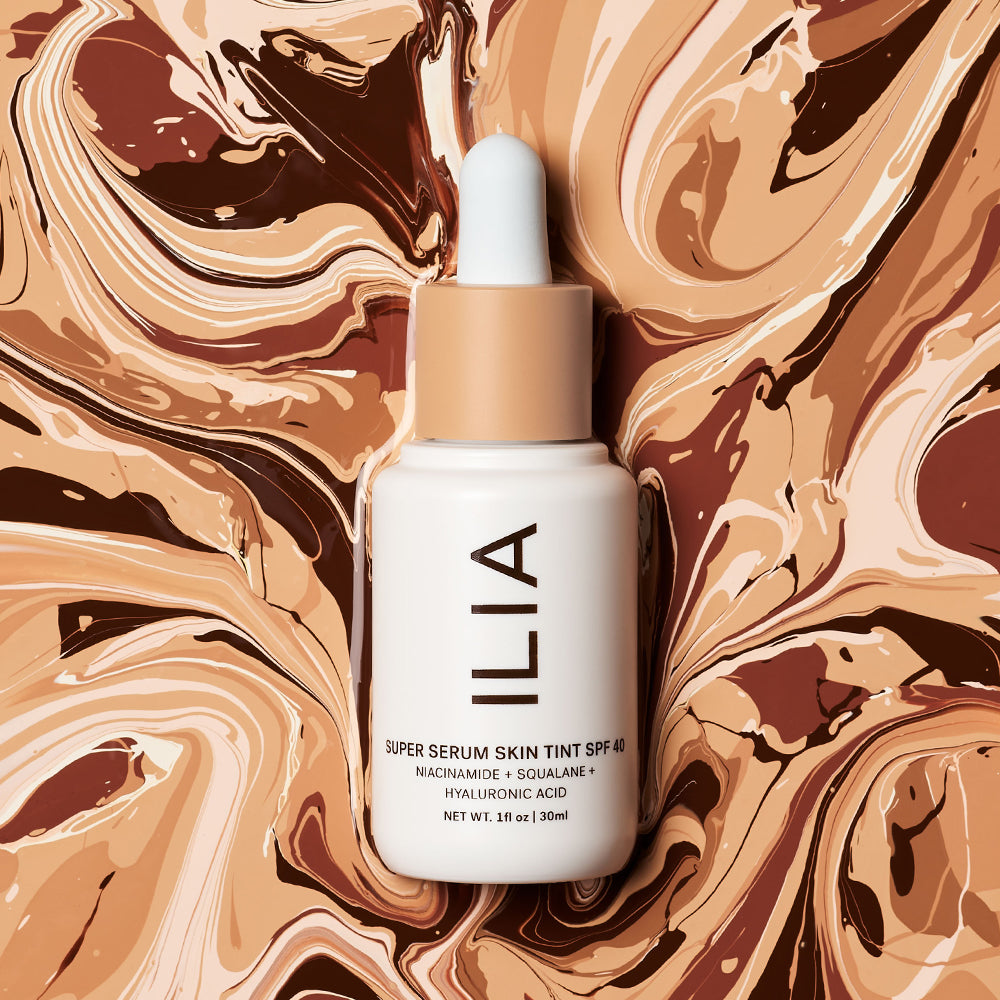
ILIA Super Serum Skin Tint SPF 40
ILIA
A skincare-forward tinted moisturizer that pairs non-nano zinc oxide SPF 40 with niacinamide and squalane for sheer, buildable coverage, though the shade range still doesn't fully serve the deepest and palest skin tones.
- ✓Non-nano mineral zinc oxide SPF 40 combined with serum actives like niacinamide and hyaluronic acid
- ✓Sheer, skin-like finish that layers well instead of sitting heavy on skin
- ✓Fragrance-free formula that's generally well tolerated by sensitive skin
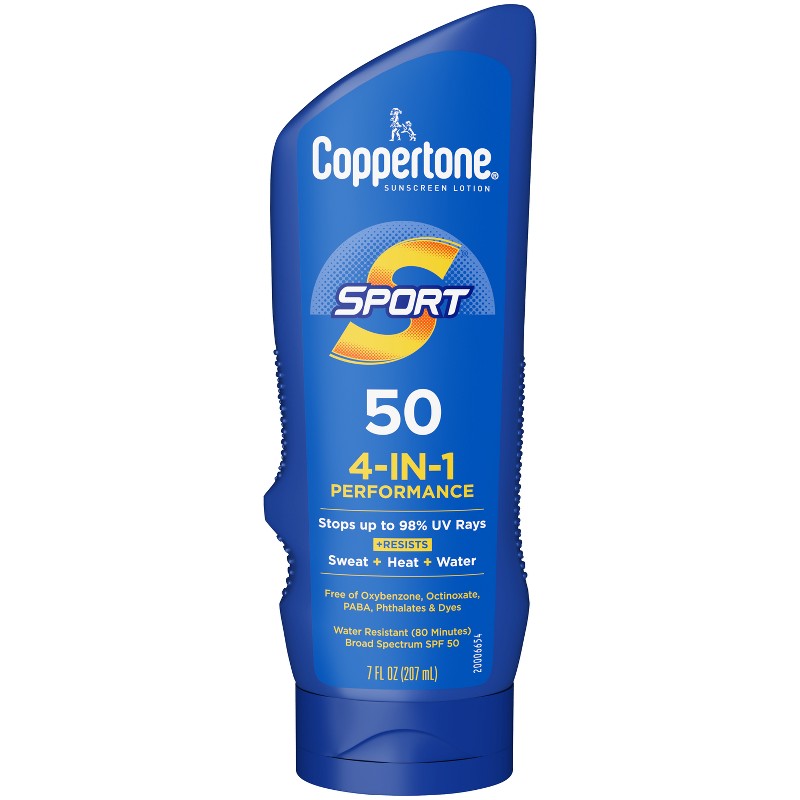
Coppertone Sport Sunscreen SPF 50
Coppertone
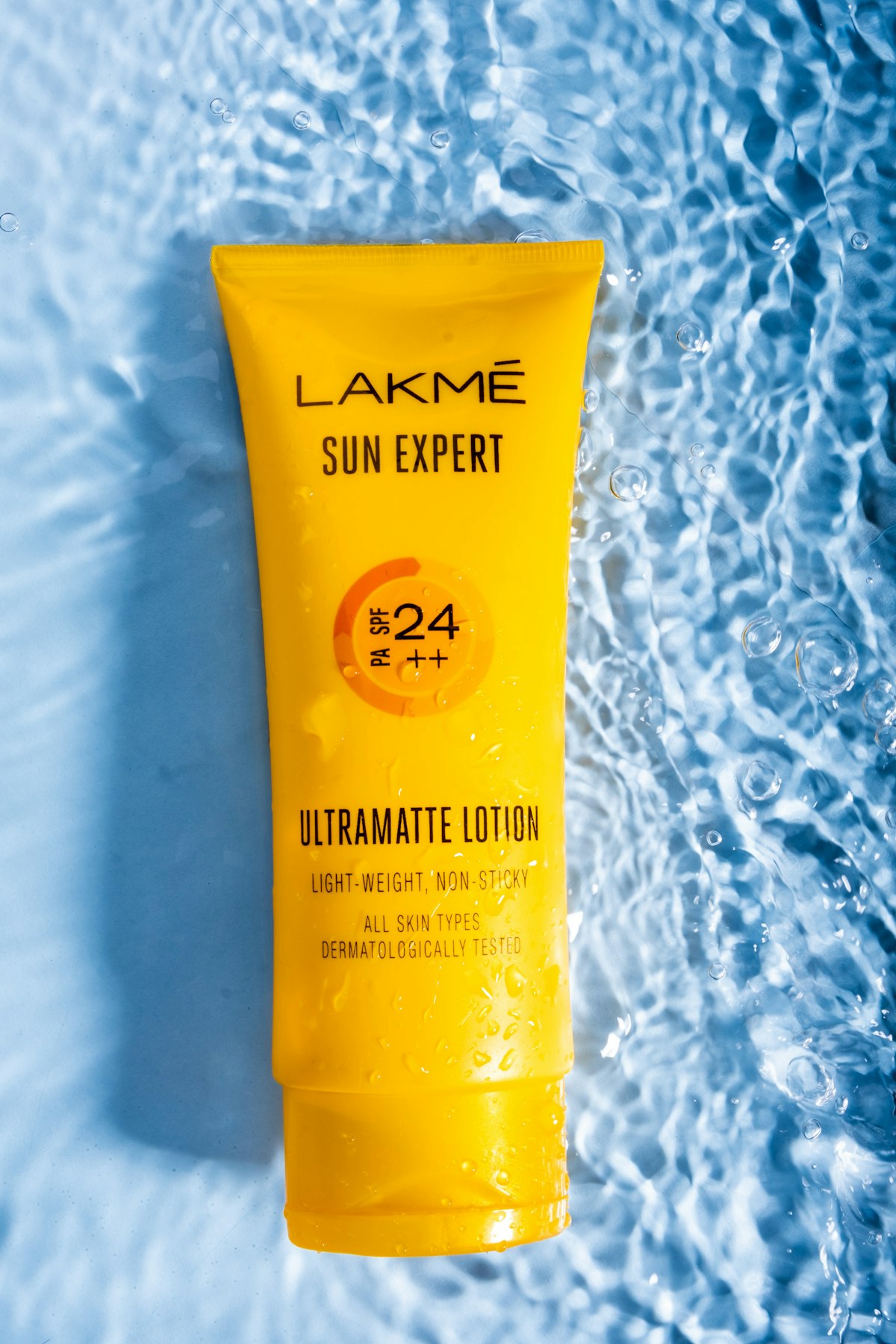
Coppertone Sport is one of the most popular sunscreens in the US, and its current SPF 50 formula has already dropped oxybenzone and octinoxate. It still relies on chemical UV filters like avobenzone and octocrylene rather than mineral filters, and goes on lighter than most mineral sunscreens.
- ✓Already reformulated to remove oxybenzone and octinoxate from this product line
- ✓Lightweight, fast-absorbing texture with no white cast
- ✓Widely available at every US pharmacy and grocery store
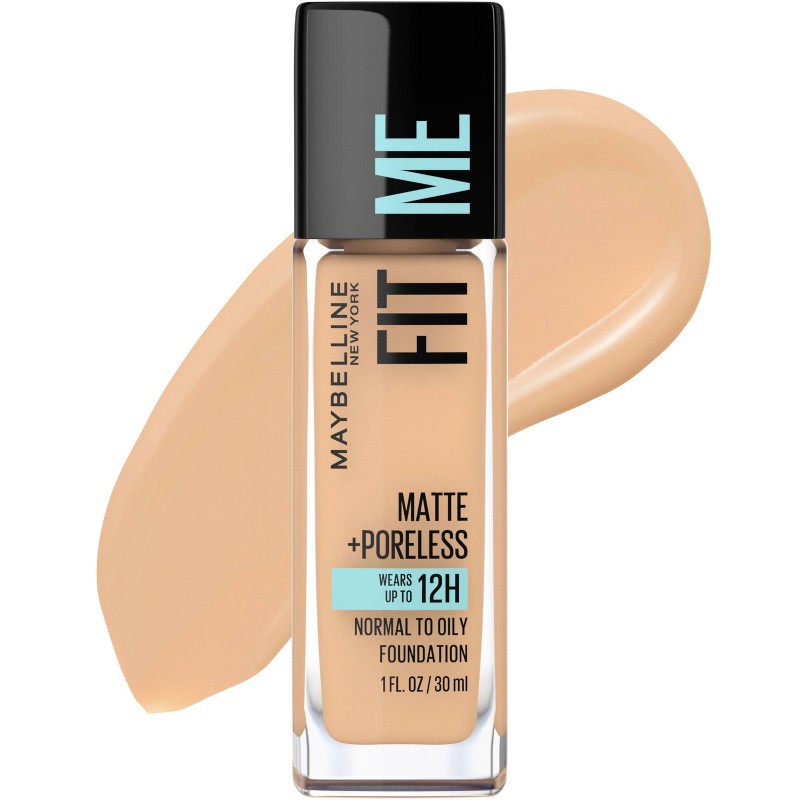
Maybelline Fit Me Foundation
Maybelline
Maybelline Fit Me is one of the most popular drugstore foundations in the US — fragrance-free with a genuinely wide shade range. It uses methylparaben and butylparaben as preservatives, synthetic preservatives some people prefer to avoid, though the formula itself doesn't contain added fragrance or common listed allergens.
- ✓Very wide shade range at a drugstore price point
- ✓Fragrance-free formula with no common listed allergens
- ✓Available everywhere — no waiting on a shade-match order
Latest Skin & Makeup Articles


The case for switching
Why Switch to Clean Skin & Makeup Products?
- ✓ Cosmetic ingredients in the U.S. are not required to undergo pre-market safety testing or FDA approval — the agency can only act after a product is already causing harm. Third-party databases like EWG's Skin Deep exist precisely to fill that gap, scoring ingredients on the peer-reviewed hazard and exposure data that exists.
- ✓ "Fragrance" or "parfum" on an ingredient list is a legal loophole that can hide dozens of individual chemicals as a protected trade secret — including some linked to skin sensitization and hormone disruption. Products labeled fragrance-free, or scented only with named essential oils, close that loophole.
- ✓ Talc-based powders and some imported makeup have been flagged in FDA testing for asbestos contamination, since talc and asbestos can occur in the same mineral deposits. Talc-free formulas (using rice starch, arrowroot, or mica alternatives) remove that risk entirely.
- ✓ Retinol is genuinely effective for fine lines and texture, but it's also a common cause of redness, peeling, and sun sensitivity — especially for sensitive or melanin-rich skin. Bakuchiol, a plant-derived alternative, delivers comparable collagen-stimulating results in published comparison studies with substantially less irritation.
- ✓ Third-party certifications like Leaping Bunny (cruelty-free, verified supply chain, not just a company's own claim) and MADE SAFE (screens against a published list of chemicals of concern) exist because "cruelty-free" and "non-toxic" are both unregulated marketing terms a brand can print on a bottle without any outside verification.
How to do it
7 Tips for a Cleaner Skin & Makeup Routine
- 1 Read the ingredient list, not the front label Front-of-bottle claims like "clean," "natural," and "non-toxic" carry no legal definition in U.S. cosmetics regulation. The INCI ingredient list on the back is the only place a brand is required to be accurate — ingredients are listed from highest to lowest concentration, so the first five tell you most of what you need to know.
- 2 Look for third-party certification, not self-declared claims EWG Verified, MADE SAFE, Leaping Bunny, and COSMOS Organic each involve outside review against a published standard. A brand calling itself "clean" on its own packaging has met no external bar at all — the two are not the same thing.
- 3 Patch test every new active ingredient Retinol, bakuchiol, vitamin C, and exfoliating acids can all cause irritation even in "gentle" or "natural" formulas. Apply a small amount to your inner forearm and wait 48 hours before using a new active on your face, especially if you have sensitive or reactive skin.
- 4 Introduce retinol alternatives slowly Bakuchiol and encapsulated retinol formulas are gentler than traditional retinol, but "gentler" isn't "inert." Start at two to three nights a week and build up, and always pair with SPF the following morning since retinoid-family ingredients increase photosensitivity.
- 5 Choose mineral sunscreen for daily wear Zinc oxide and titanium dioxide sit on top of skin rather than being absorbed, which makes them a common recommendation for sensitive skin and for anyone minimizing systemic chemical absorption. Non-nano formulas have also improved dramatically on the white-cast problem that used to put people off mineral SPF.
- 6 Simplify your foundation routine A tinted mineral foundation or BB cream with SPF replaces separate moisturizer, sunscreen, and foundation steps — fewer products means fewer ingredients you're exposed to daily and less packaging waste overall.
- 7 Decant and travel with solid or refillable formats Solid foundation sticks, pressed powder compacts, and refillable lipstick cases eliminate the single-use plastic minis and squeeze tubes that dominate travel-size beauty packaging, and most last just as long as their liquid equivalents.
Also see: Personal Care swaps guide →
Common questions
FAQ
Everything readers ask us most about making the skin & makeup switch.
Get matched
Want personalised picks?
Answer 7 questions → we match you to the best swaps for your home.