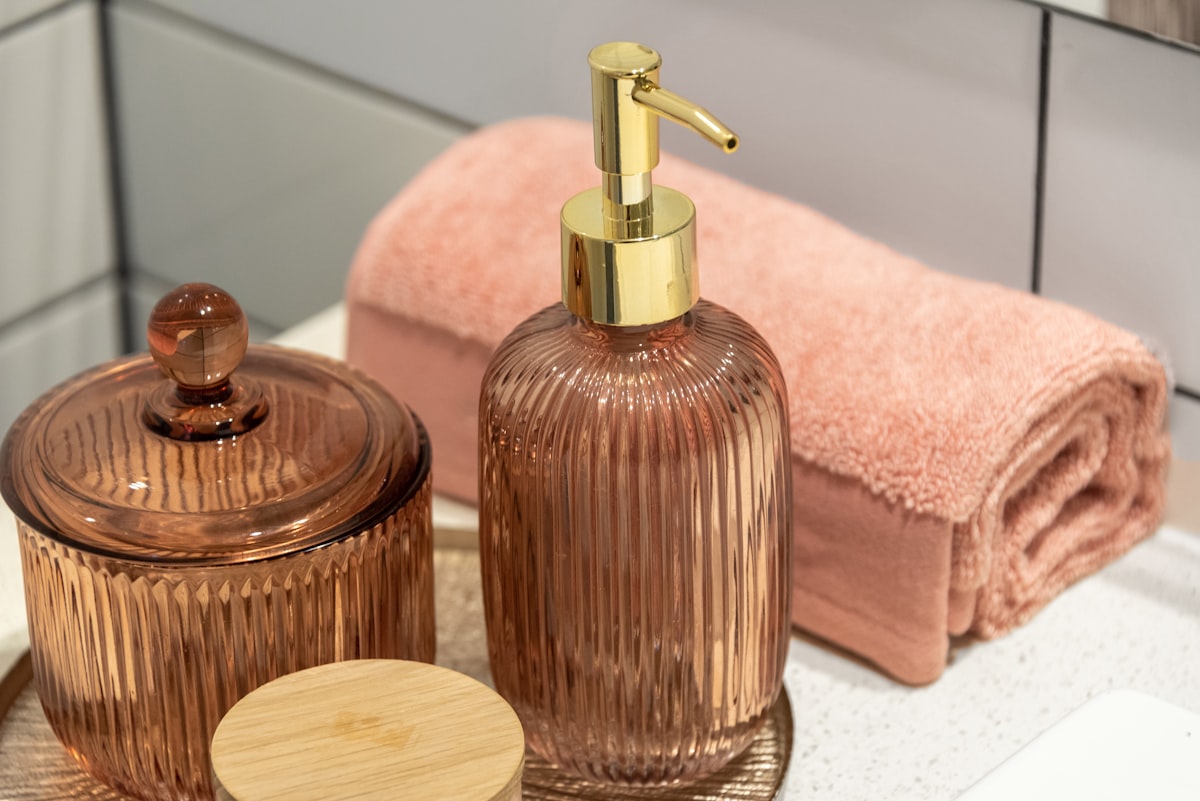
TL;DR: For a household of four with one main bathroom sink, bar soap runs about $26/year, refillable concentrate pouches run $28–32/year, and bottled liquid soap runs about $45/year — bar soap wins on both cost and packaging waste, as long as you pick one wrapped in paper rather than a plastic clamshell.
What Each Option Actually Costs
We priced this at a realistic household hand-washing rate — roughly 13 refills a year for one busy bathroom sink shared by a family of four.
- Bottled liquid soap (Softsoap, Method, Mrs. Meyer's) — an 8–12 oz bottle runs $3.50–$5, and you're buying a brand-new plastic bottle every single time. Annual cost: ~$45.50.
- Refillable pump + concentrate (Blueland, Dr. Bronner's bulk, or a store-brand refill pouch) — a $4 reusable glass or plastic pump lasts years, and a concentrate pouch or bar makes roughly 3 bottle-fills for about $6.50. Annual cost: ~$28–32.
- Bar soap (Dr. Bronner's, Kirk's Castile, Dr. Squatch) — a $2 bar lasts about four weeks for a family bathroom. Annual cost: ~$26.
Bar soap and refillable concentrate are close enough that either is a reasonable call financially. Bottled liquid soap is the clear loser on price — you're paying a premium every refill for a plastic bottle you'll throw away in a month.
Which One Actually Produces the Least Waste
This is where it gets more honest than most "just switch to bar soap" advice. Packaging waste depends heavily on the specific product, not just the category:
- Bottled liquid soap is the clearest loser here too — a new rigid HDPE bottle and pump mechanism (which is rarely recyclable due to the mixed-material spring) every 3–4 weeks, indefinitely.
- Bar soap is genuinely low-waste if you buy one wrapped in a simple paper band — Dr. Bronner's and Kirk's Castile both ship this way. Many drugstore bars, though, are shrink-wrapped in plastic film or boxed in a plastic-windowed carton, which erases most of the advantage. Read the wrapper before assuming a bar is better.
- Refill concentrate keeps one durable pump bottle in permanent rotation and replaces it with a flexible pouch or small concentrate bottle. Flexible pouches are lighter to ship (lower transport emissions) but are typically not curbside recyclable — check whether your brand offers a mail-back or drop-off program, as Blueland and a few others do.
The Foaming Pump Wildcard
There's one variable that can shift this entire comparison: dispenser type. A standard lotion-style pump dispenses liquid soap straight, while a foaming pump mixes that same liquid with air on the way out, producing a lofted foam from a much smaller dose of actual soap — commonly a fifth to a quarter of the liquid per pump compared to a non-foaming dispenser. Refill a foaming dispenser with a diluted concentrate (many brands, including refill pouches designed for foaming pumps, are meant to be cut with water 1:3 or more) and the annual cost of the refillable option can drop well below the $28 figure above, sometimes closer to $15–18/year, because you're stretching the concentrate further per wash. If you already own a foaming pump, it's worth checking whether your refill brand sells a foaming-specific concentrate — using a regular (non-diluted) refill in a foaming pump wastes most of that advantage.
Does Bar Soap Actually Spread Germs?
This is the objection that talks people out of bar soap, and it's mostly outdated. The mechanism behind hand-washing effectiveness — as the CDC's hand hygiene guidance emphasizes — is the mechanical action of rubbing hands together with soap and water for at least 20 seconds, which lifts and rinses away germs, rather than soap acting as a disinfectant. Studies on bar soap going back decades have found that while bacteria can survive briefly on a wet bar's surface, transfer to hands during normal washing is minimal, and the running water at the end of a wash rinses both the germs and any surface residue away. A bar soap dish that lets the bar dry between uses (rather than sitting in a puddle) further reduces any residual bacteria on the bar itself. In practice, bar soap is not a meaningfully worse hygiene choice than liquid for household use.
What About Guest Bathrooms and Travel?
The math above assumes a primary family bathroom in daily use. Guest bathrooms used a handful of times a month don't generate enough volume for any of these options to matter much on cost — a single bar or a half-used bottle can sit for a year. For travel, none of the three win cleanly: bar soap needs a travel dish to avoid melting into a bag, refill systems require decanting into a small travel bottle (which reintroduces exactly the plastic-bottle problem you switched away from), and a genuinely small bottled liquid soap is often the least-friction option for a single trip. Optimizing the main bathroom sink and not sweating the guest bath or the carry-on is the pragmatic version of this trade-off.
Bottom Line
If you want the cheapest, lowest-waste option and don't mind a slightly different in-shower feel, a paper-wrapped bar soap wins outright. If you or your household strongly prefers a pump for hygiene or convenience reasons (shared bathrooms, kids who won't reliably use a bar), a refillable concentrate system gets you nearly the same savings and keeps the "pump" experience while cutting bottle waste by roughly two-thirds compared to buying new bottled liquid soap every month.


Reviews & Comments
Loading...