TL;DR: A double-edge safety razor costs more upfront (~$35–$50) but drops to roughly $0.02–$0.05 per shave with bulk blades. Bamboo disposables cost $3–$5 per razor and typically last only 5–10 shaves before the blade dulls — about 10–20 times more expensive per shave, and often not as compostable as the packaging implies.
What "Zero-Waste Razor" Actually Means — and What It Doesn't
Both safety razors and bamboo disposables get marketed as the eco-friendly alternative to plastic cartridge razors, but they solve completely different parts of the waste problem. A safety razor replaces the entire cartridge system: one metal handle, used indefinitely, with individual steel blades swapped out one at a time. A bamboo disposable replaces only the handle material — the blade mechanism inside is still a small, glued-in cartridge unit, mechanically identical to what's in a plastic disposable.
That distinction matters, because the part of a razor that actually wears out and gets thrown away is the blade, not the handle. Swapping plastic for bamboo changes what the handle is made of. It doesn't change how often you're throwing away a blade.
Bamboo Disposables: The Compostable Handle, the Same Old Blade
Brands like Public Goods, EcoRoots, and Bambaw sell bamboo-handled disposables in packs of 4–5 for roughly $12–$20, which works out to about $3–$4.50 per razor. Shave life is the same as any disposable cartridge razor, bamboo or plastic — typically 5–10 shaves before the blade dulls, because it's the same steel and the same manufacturing process underneath a different handle.
The compostability claim also needs a closer look. Most bamboo disposables bond the blade cartridge directly into the handle rather than making it removable, which means the "compostable" bamboo portion can't actually be separated from the non-compostable steel-and-plastic cartridge at end of life without real effort. Unless a specific product explicitly states the blade is removable for separate recycling, the honest assumption is that the whole unit goes in the trash together — bamboo handle and all.
Safety Razors: Higher Upfront Cost, Radically Lower Cost Per Shave
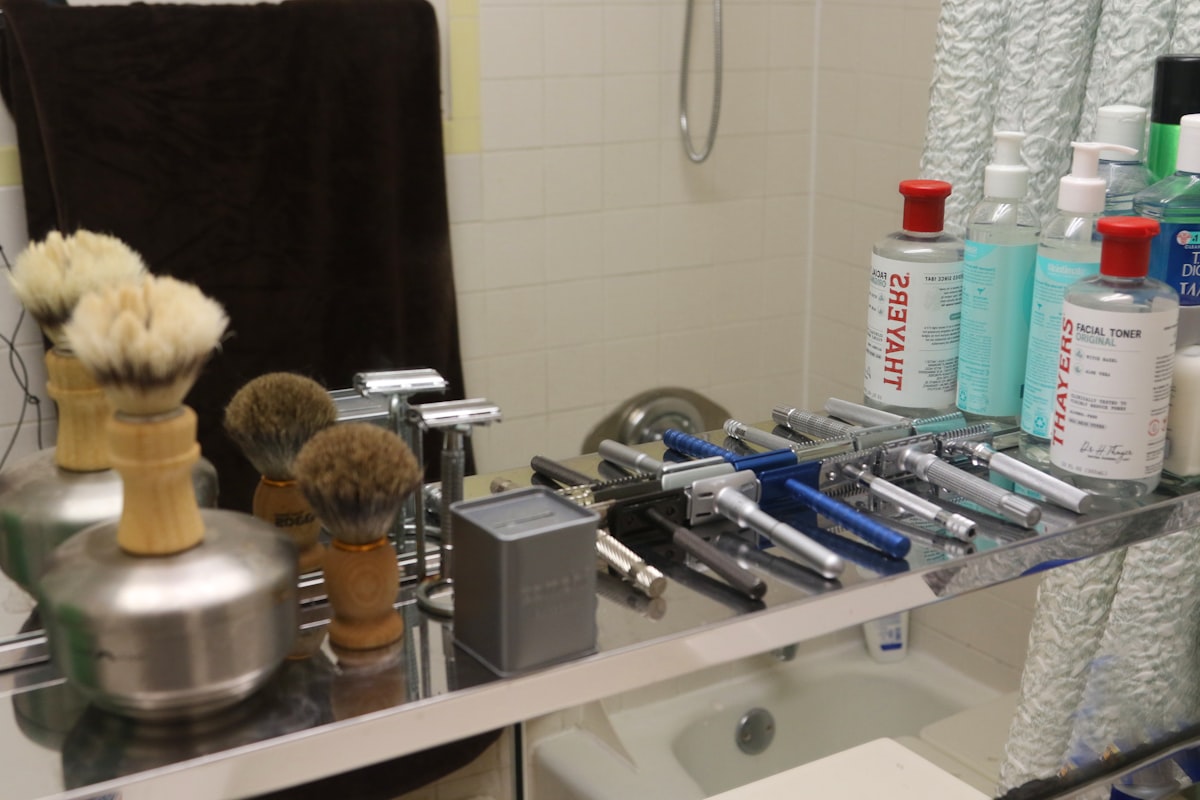
A quality double-edge safety razor — Merkur's 34C, Edwin Jagger's DE89, or the budget-friendlier Rockwell 2C — runs $30–$50 and, with basic care, lasts decades. Vintage safety razors from the 1950s are still in daily use; there's no cartridge assembly to wear out, just a solid metal head that holds a single, replaceable blade.
Blades are sold in bulk packs of 100 for $10–$15 — brands like Astra Superior Platinum, Feather, and Derby are standard recommendations — putting the per-blade cost around $0.10–$0.15. Most people get 5–7 comfortable shaves from a single blade before it needs replacing, which puts the blade-only cost at roughly $0.02–$0.03 per shave.
Because every part of a safety razor blade is bare stainless steel with no plastic housing, it's also the more genuinely recyclable option: many households collect used blades in a small metal tin ("blade bank") and drop the sealed tin in curbside metal recycling, or mail them back through blade-recycling programs some retailers offer. There's no cartridge plastic to separate from the steel — because there isn't any.
The Real Math: Cost Per Shave, Head-to-Head
| Bamboo Disposable | Safety Razor | |
|---|---|---|
| Upfront cost | $3–$4.50 (per razor) | $30–$50 (one-time, lasts decades) |
| Shaves per unit | 5–10 | 5–7 per blade; handle is reusable indefinitely |
| Cost per shave | ~$0.35–$0.75 | ~$0.02–$0.03 (after handle pays for itself) |
| Breakeven vs. bamboo | — | Roughly 15–30 shaves (about a month of regular shaving) |
| End-of-life waste | Handle + cartridge usually inseparable — trash | Bare steel blade — recyclable via blade bank |
The breakeven point is faster than most people expect. If you shave two to three times a week, the safety razor's higher sticker price is fully offset by saved blade costs within about a month, and every shave after that is meaningfully cheaper.
Care and Technique: Why the Payoff Is Bigger Than It Looks
A safety razor's decades-long lifespan isn't automatic — it depends on basic care that takes seconds. Rinse the head after each use, shake or towel-dry it, and store it somewhere it can air-dry rather than sitting wet in a shower caddy; stainless steel handles resist rust well, but cheaper plated handles can corrode if left damp. Every few months, a drop of oil on the threaded post keeps the closing mechanism smooth.
Technique matters more with a safety razor than a cartridge, and it's the main reason first-time buyers sometimes bail after one shave and decide bamboo disposables were "fine." A single blade with no pivoting head needs a shallower angle — closer to 30 degrees against the skin — and lighter pressure than a spring-loaded cartridge, which is designed to be pressed into the skin. Most people need one to two weeks of shaves to find that angle consistently. Once it clicks, the tradeoff flips: a single sharp blade making one clean pass causes less irritation than three or five cartridge blades dragging repeatedly over the same patch of skin, which is a documented driver of razor bumps and ingrown hairs for people with coarse or curly facial hair.
Which One Should You Actually Buy?
If the goal is genuinely lower cost and lower long-term waste, the safety razor wins on both counts — it isn't close once you run the actual per-shave math. The one real advantage bamboo disposables keep is convenience for infrequent or travel use: no learning curve, no risk of a nicked chin while you adjust to blade angle, and nothing to pack that could be mistaken for a weapon at airport security. For anyone shaving more than a couple of times a month, though, a safety razor is the cheaper option within weeks and the meaningfully lower-waste option for as long as you own it.



Reviews & Comments
Loading...