Eco-Friendly Personal Care: Complete Guide to Clean Beauty Swaps
The personal care industry generates over 120 billion units of packaging globally every year — most of it plastic, most of it unrecyclable. Beyond the packaging, conventional cosmetics and toiletries contain hundreds of synthetic chemicals, many of which end up in waterways and accumulate in ecosystems. But greener personal care has never been easier to find, or better. This guide covers the best natural skincare, zero-waste haircare, clean deodorants, and sustainable period products — products that genuinely perform as well as (or better than) their conventional equivalents. We'll explain what to look for on labels, what to avoid, and how to build a personal care routine that's good for you and the planet.
Top-Rated Personal Care Products
Not sure? Take the quiz →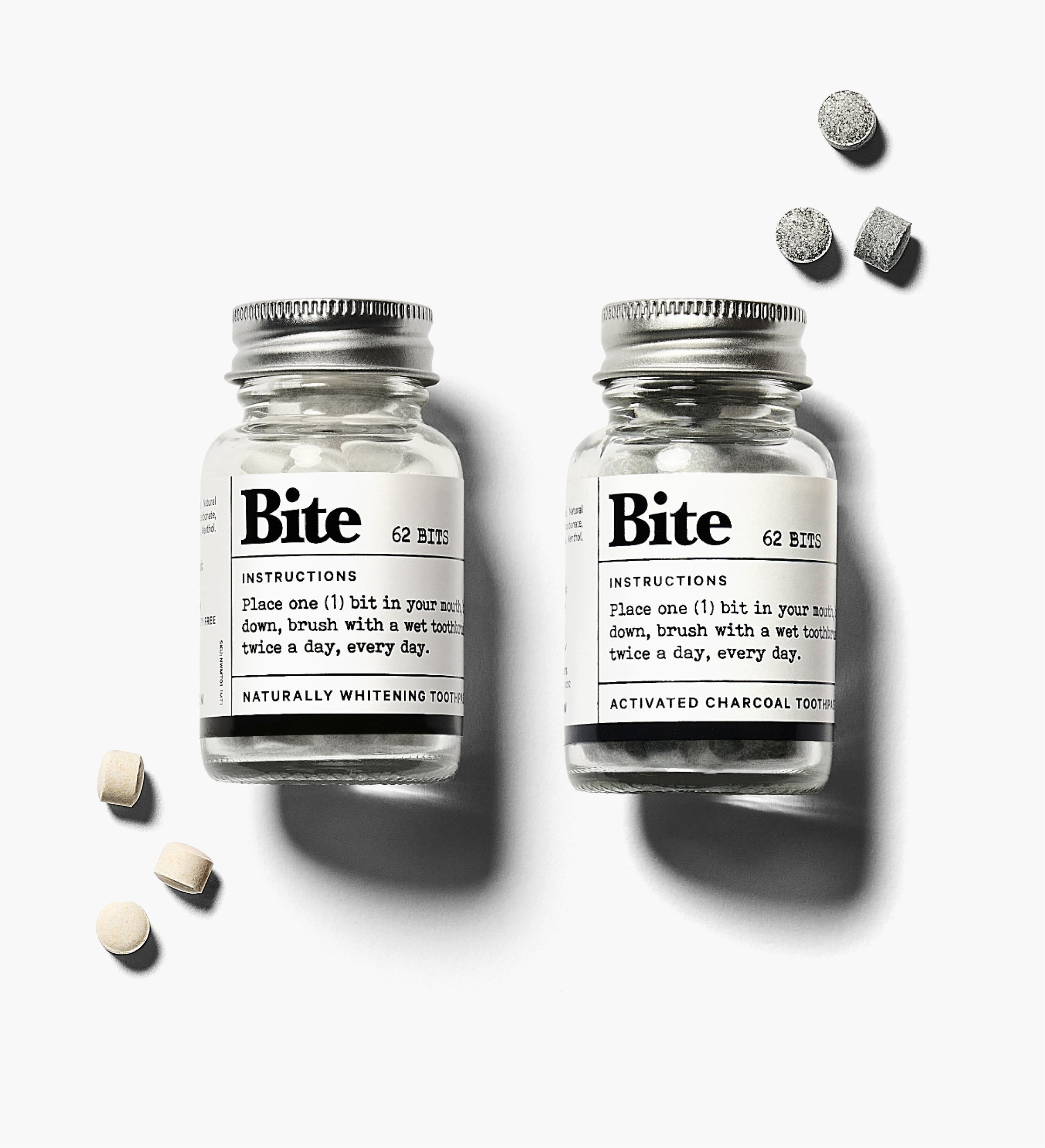
Bite Toothpaste Bits
Bite
Chewable toothpaste tablets shipped in a refillable glass jar that cut out the plastic tube entirely, available with or without fluoride, though the chew-and-brush routine takes real adjustment.
- ✓Refillable glass jar replaces the plastic toothpaste tube long-term
- ✓Available in a fluoride version or a fluoride-free version with nano-hydroxyapatite
- ✓Subscription ships refills in compostable pouches instead of new jars each time

Lume Whole Body Deodorant
Lume
A whole-body deodorant (not just underarms) formulated without aluminum, using an AHA-based approach to control odor rather than block sweat.
- ✓Aluminum-free by design, not just a relabeled antiperspirant
- ✓Marketed and formulated for use anywhere on the body, not just underarms
- ✓Backed by a dermatologist/OB-GYN founder and real clinical testing
Colgate Total Toothpaste
Colgate
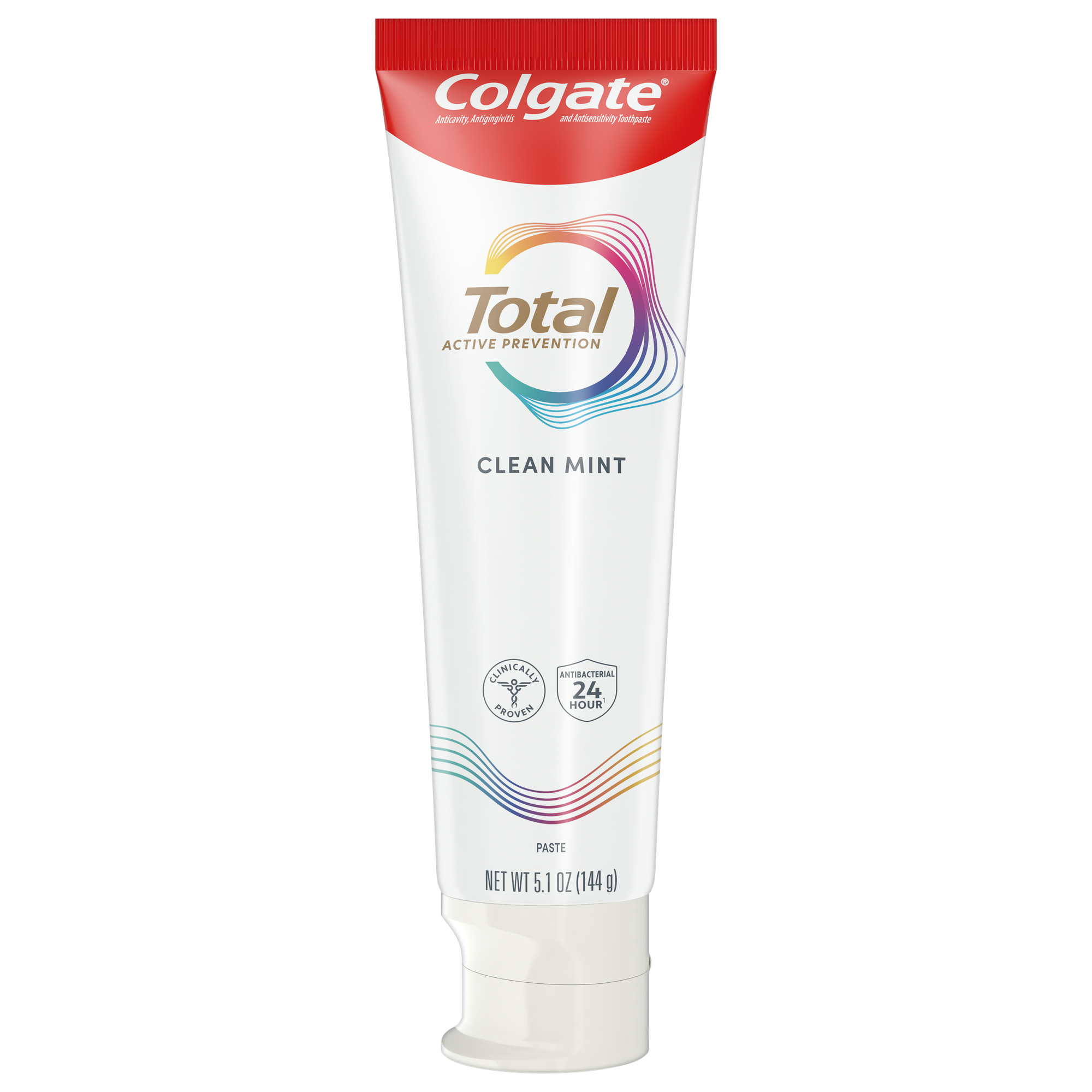
Colgate Total is one of the best-selling toothpastes in the US, with strong cavity- and gum-protection data behind it. It contains sodium lauryl sulfate (SLS) as a foaming agent, and some Colgate Total variants list plastic-derived polymer ingredients (like PVM/MA copolymer) common across most mainstream toothpaste brands, not just this one.
- ✓Strong, well-documented cavity and gum-health performance
- ✓Inexpensive and available at every US store
- ✓No adjustment period — familiar foaming toothpaste texture
Secret Antiperspirant Deodorant
Secret
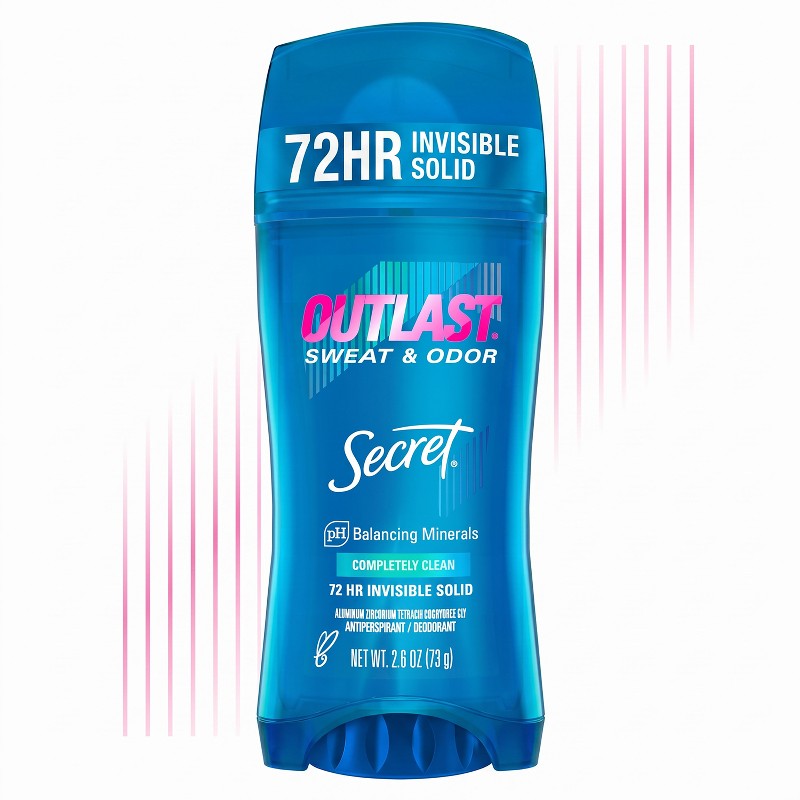
Secret's classic antiperspirant uses aluminum zirconium pentachlorohydrex gly to physically block sweat glands, which is what makes it an antiperspirant rather than just a deodorant. It works reliably for most people, but the aluminum compound and plastic stick packaging are the two most common reasons people look for an alternative.
- ✓Antiperspirant formula actually blocks sweat, not just odor
- ✓Inexpensive and available at every US store
- ✓Decades of reliable use and reformulation
Latest Personal Care Articles


The case for switching
Why Clean Personal Care Matters
- ✓ The average person applies 168 chemicals to their body every day via personal care products. While regulatory bodies deem most safe in isolation, cumulative exposure and ingredient interactions are poorly studied.
- ✓ Oxybenzone and octinoxate — common sunscreen chemicals — are proven coral reef bleaching agents. Mineral sunscreens (zinc oxide, titanium dioxide) protect equally well without marine toxicity.
- ✓ Triclosan, found in many antibacterial soaps and toothpastes, is an endocrine disruptor that has been detected in human breast milk and contributes to antibiotic-resistant bacteria.
- ✓ Synthetic musks (galaxolide, tonalide) used as fragrance fixatives are persistent bioaccumulators — they concentrate in fish fat and human tissue and don't break down in sewage treatment.
- ✓ Switching to a shampoo bar, solid conditioner, and bamboo toothbrush eliminates approximately 40 plastic bottles per person per year — the equivalent of about 7–8 pounds of plastic packaging.
How to do it
7 Tips for a Clean Personal Care Routine
- 1 Read the INCI list INCI (International Nomenclature Cosmetic Ingredient) lists ingredients from highest to lowest concentration. The first five ingredients make up the majority of the product. If petroleum derivatives (petrolatum, paraffinum liquidum) or synthetic fragrances appear there, look for a cleaner alternative.
- 2 Choose fragrance-free or naturally scented 'Fragrance' or 'parfum' on a label can hide up to 3,000 different chemicals. Opt for fragrance-free products or those scented only with essential oils (listed individually on the INCI).
- 3 Switch period products gradually Menstrual cups have a steep learning curve. Try period underwear first — it works like regular underwear, is washable, and has no learning curve. Once comfortable with reusables, a menstrual cup or disc saves significant money long-term.
- 4 Look for certifications COSMOS Organic, Ecocert, and NATRUE are the most rigorous third-party certifications for natural cosmetics. They restrict synthetic preservatives, petrochemicals, and GMOs.
- 5 Decant into reusable containers when travelling TSA-approved silicone travel bottles and solid format products (shampoo bars, solid face wash) remove the need for single-use travel minis entirely.
- 6 Try oil cleansing A few drops of jojoba or rosehip oil massaged into dry skin and removed with a warm damp cloth cleanses deeply, removes makeup, and replaces multiple bottled products. It's particularly effective for dry and combination skin.
- 7 Make your own where it's simple Sugar scrubs (sugar + coconut oil + lemon), lip balm (beeswax + shea), and facial mists (rose water) are genuinely easy to make at home, cost almost nothing, and come in whatever container you choose.
Also see: Bathroom swaps guide →
Common questions
FAQ
Everything readers ask us most about making the personal care switch.
Get matched
Want personalised picks?
Answer 7 questions → we match you to the best swaps for your home.