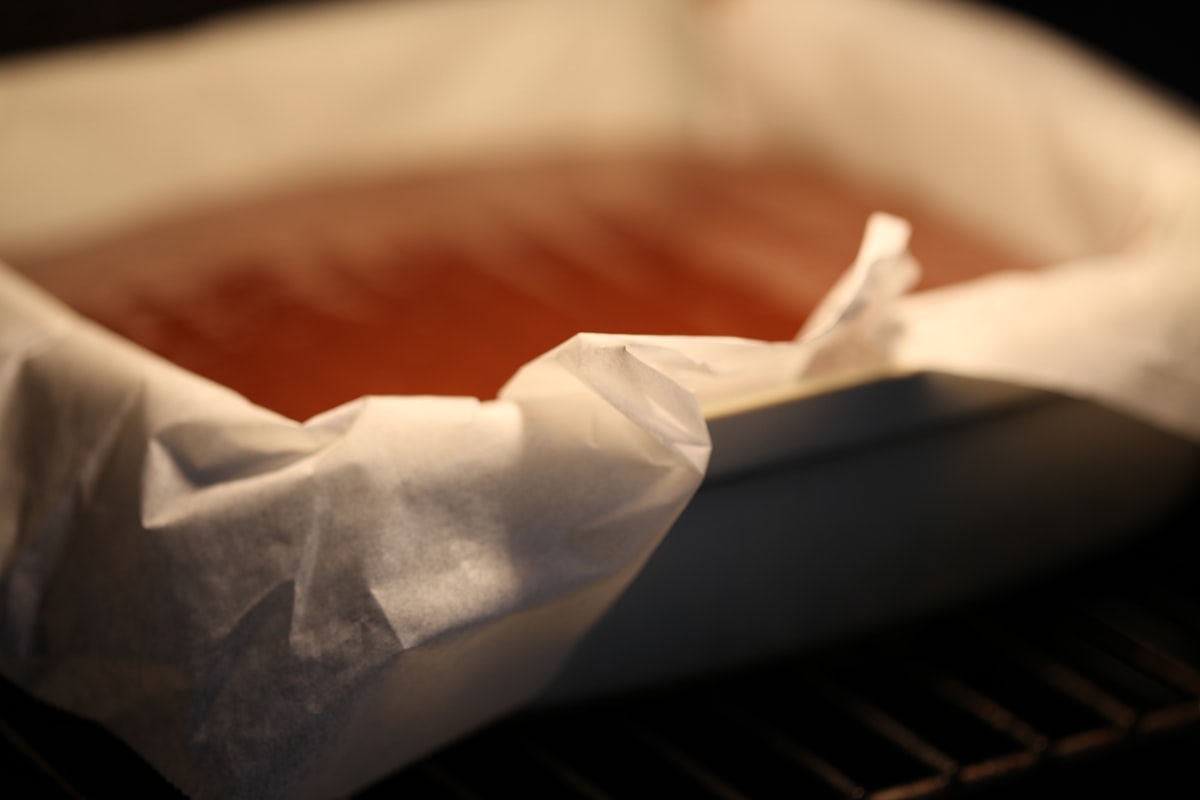
TL;DR: For a twice-a-week home baker, parchment paper costs about $28.60/year, while a 2-pack of silicone baking mats costs about $4.33/year annualized over a 3-year lifespan — silicone mats are dramatically cheaper and cut baking waste to nearly zero, but parchment still wins for high-heat browning and genuinely disposable messes.
What a Year of Parchment Paper Actually Costs
A moderately active home baker — two bakes a week, using about 2 sq ft of parchment per bake to line a half-sheet pan — goes through roughly 208 sq ft of parchment a year. A standard 40 sq ft roll costs about $5.50, so that's a little over five rolls a year, or about $28.60/year, every year, indefinitely.
Worth knowing: most parchment paper, even the "unbleached" kind, isn't plain paper — it's coated in a thin layer of silicone (or, less commonly today, a quilon/chromium compound) to create the non-stick, heat-resistant surface. That coating is exactly what makes parchment non-compostable in most municipal food-waste programs, despite being made of paper. If zero-waste is your actual goal rather than just "less waste," check your local composting program's rules before assuming a used parchment sheet can go in the green bin.
What Silicone Baking Mats Actually Cost
A 2-pack of generic half-sheet silicone baking mats runs about $13 (name-brand Silpat mats cost more, roughly $20–24 each, and are widely regarded as more durable). Realistically, a well-cared-for mat lasts about three years of regular use before the surface degrades enough to affect release — so annualized, that's about $4.33/year, or roughly $13 up front in year one with $0 ongoing cost until replacement.
Care matters for that lifespan: silicone mats shouldn't go above about 480°F (they can scorch or degrade at higher temperatures, and definitely shouldn't go under a broiler), shouldn't be cut on with a knife, and last longest hand-washed rather than run through a dishwasher's high-heat cycle repeatedly. Skip those rules and a mat's real lifespan drops closer to a year, which still beats parchment on cost but by a smaller margin.
There's a secondary saving that rarely makes it into the comparison: pans that would otherwise need greasing and flouring — a swipe of butter or oil plus a dusting of flour to prevent sticking — skip that step entirely with a silicone mat, since the surface itself is non-stick. It's a small ongoing saving on its own (a few dollars a year in butter and flour for a regular baker), but it also means less scrubbing afterward, since batter and sugar residue lifts off silicone far more easily than off a greased, floured pan surface. Cleanup for a silicone mat is typically a rinse and wipe, versus a proper scrub for a bare greased pan.
What You Actually Give Up With Silicone
This isn't a one-sided trade. Silicone mats insulate more than parchment does, which changes results in ways that matter for certain bakes:
- Cookies — silicone mats tend to produce a slightly softer, less browned cookie bottom compared to parchment, since parchment allows more direct heat transfer from the pan.
- Roasted vegetables — parchment (or no liner at all, directly on the pan) gets better browning and crisping than silicone, which traps more moisture underneath.
- High-heat or broiler recipes — parchment paper is rated higher for oven temperature (typically up to ~420–450°F, and briefly higher for some brands) but silicone mats top out lower and definitely can't go under a broiler the way a bare sheet pan can.
- End-of-life waste — a worn-out silicone mat isn't recyclable or compostable through any mainstream program and goes to landfill as one solid piece, versus 208 sq ft/year of parchment that at least breaks down slowly as paper even with its coating.
Specialty Mats: Perforated and Macaron Mats
Beyond the general-purpose half-sheet mat, two specialty silicone mats are worth knowing about because they solve problems parchment genuinely can't. A perforated silicone mat has small holes that let air and heat circulate for crisper puff pastry, pizza, and bread crusts — closer to parchment's browning performance while staying reusable. A macaron mat has printed circle guides molded into the surface, which produces far more consistent, evenly-sized shells than free-piping onto parchment and eyeballing spacing — a genuine functional upgrade, not just a waste reduction, for anyone who bakes macarons regularly. Both run $12–18 and follow the same multi-year lifespan math as a standard mat. For a home baker who bakes cookies weekly but macarons only occasionally, it's usually not worth buying a dedicated macaron mat until you've confirmed you'll keep making them — parchment with a printed template slipped underneath works as a free stopgap for the first few batches.
Bottom Line
For everyday cookies, granola, roasted nuts, and general baking where crisp browning isn't the priority, silicone mats are the clear winner — they cost about 85% less per year than parchment and effectively eliminate a weekly stream of single-use paper from your kitchen trash. Keep a roll of parchment on hand for the specific jobs where it does the job better: high-heat roasting where you want real browning, broiler use, and situations where you'd rather not scrub a stubborn baked-on mess off a mat you plan to reuse. Most serious home bakers who make the switch end up keeping both, using silicone as the default and parchment as the exception rather than the other way around.



Reviews & Comments
Loading...