Eco-Friendly Kitchen Products: The Complete Sustainable Guide
The kitchen is the single biggest source of household plastic waste — plastic wrap, trash bags, sandwich bags, sponges, paper towels, and endless bottles of dish soap all add up to hundreds of items per household per year. Replacing them with reusable, plastic-free alternatives is one of the highest-impact things you can do for the environment, and in most cases it saves money within weeks. This guide covers the best beeswax wraps, reusable storage bags, compostable trash bags, dish blocks, and bamboo alternatives. We'll walk you through the why, the what, and the how so you can build a genuinely sustainable kitchen without starting from scratch.
Top-Rated Kitchen Products
Not sure? Take the quiz →
Beeswax Wraps 3-Pack
Bee's Wrap
GOTS organic cotton with beeswax. Replaces cling film for 1 year+.
- ✓Replaces plastic wrap
- ✓Lasts 1+ year
- ✓100% natural

Compostable Kitchen Sponge
Twist
Cellulose and walnut shell. Home compostable, lasts 3 months.
- ✓100% compostable
- ✓Natural antibacterial
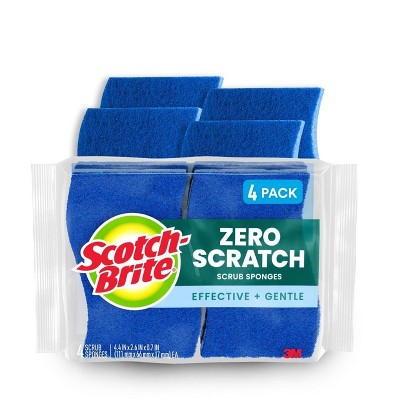
Scotch-Brite Sponge
Scotch-Brite
Standard polyurethane foam kitchen sponge. Effective scrubbing surface, but made from petroleum-based foam that sheds microplastic fibers and takes centuries to break down in landfill.
- ✓Effective scrubber
- ✓Cheap, widely available
- ✓Familiar texture
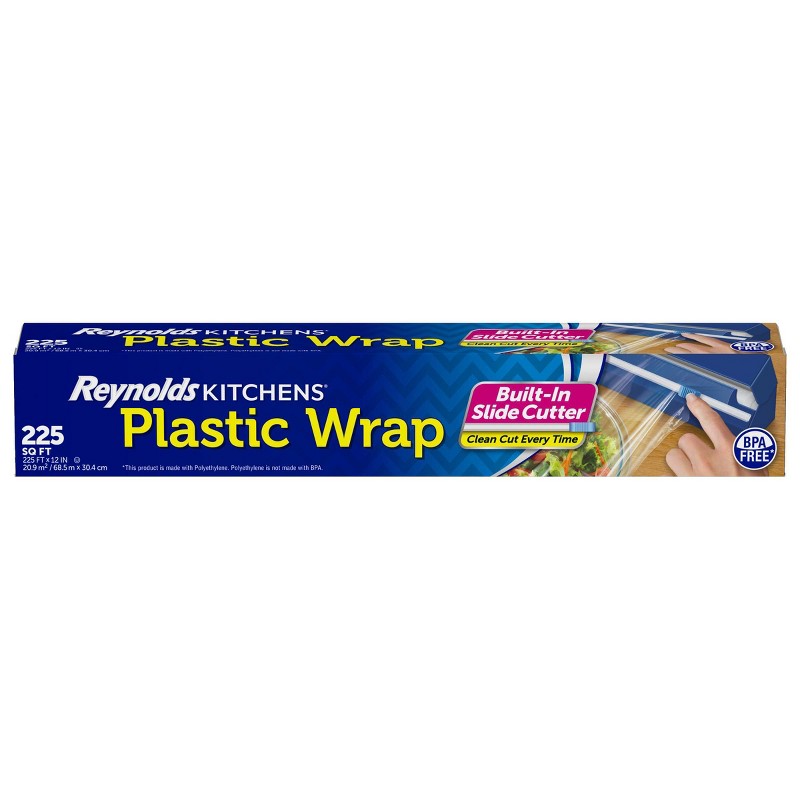
Reynolds Plastic Wrap
Reynolds
Standard single-use PVC/LDPE cling film. Convenient and cheap, but single-use plastic that doesn't biodegrade and can't be recycled curbside.
- ✓Cheap upfront
- ✓Clings tightly
- ✓Microwave-safe
Latest Kitchen Articles



The case for switching
Why Sustainable Kitchen Choices Matter Most
- ✓ American households generate a large share of single-use plastic waste every year, and the kitchen is one of the biggest contributors — plastic wrap and disposable storage bags among the largest sources, virtually none of it accepted by curbside recycling programs.
- ✓ Conventional sponges are made from polyurethane foam and shed microplastics with every wash. They also harbor bacteria more readily than natural alternatives and need replacing every 2–4 weeks.
- ✓ Most kitchen cleaning sprays are 95% water. Concentrated cleaning tablets (like Blueland or Dropps) do the same job with far less packaging and lower transport emissions.
- ✓ Food waste is a climate issue as much as a packaging issue. Proper eco-storage — beeswax wraps, silicone bags, glass containers — extends food life and reduces waste; the USDA estimates that as much as 30–40% of the US food supply goes uneaten.
- ✓ Cost comparison: a roll of paper towels costs about $2–3 and lasts a week or two. A set of reusable bamboo or cotton towels costs about $15–20 and lasts 2–3 years, saving well over $100 across its lifetime.
How to do it
7 Tips for a Sustainable Kitchen
- 1 Start with plastic wrap Replace plastic wrap with beeswax wraps for about a week of use to see if they work for you. They mold to bowls with the warmth of your hands, wash with cool soapy water, and last 6–12 months with care.
- 2 Keep a compost caddy on the counter A small countertop caddy with compostable liners makes food scrap collection effortless. Many cities offer curbside food-waste pickup — check whether yours does. Backyard composting works even better if you have the space.
- 3 Switch to a dish block A solid dish-soap block lasts as long as 2–3 bottles of liquid dish soap and comes in cardboard or no packaging. Wet the block, rub your brush against it, and wash as normal.
- 4 Use silicone bags instead of zip-top plastic Reusable silicone bags can go in the freezer, microwave, and dishwasher. They're airtight, last years, and replace hundreds of single-use plastic bags per household per year.
- 5 Invest in glass or stainless food storage Glass containers cost more upfront but don't stain, absorb odors, or degrade like plastic. They're oven-safe and look good enough to go straight from fridge to table.
- 6 Buy in bulk where possible Buying rice, pasta, oats, and beans in bulk from a co-op, bulk bin section, or online reduces packaging dramatically and typically costs 20–30% less than pre-packaged brand-name products.
- 7 Clean with baking soda and vinegar A spray bottle of white vinegar handles most kitchen surface cleaning. Baking soda tackles grease and odors. Together they cost pennies and replace multiple plastic spray bottles.
Also see: Cleaning swaps guide →
Common questions
FAQ
Everything readers ask us most about making the kitchen switch.
Get matched
Want personalised picks?
Answer 7 questions → we match you to the best swaps for your home.