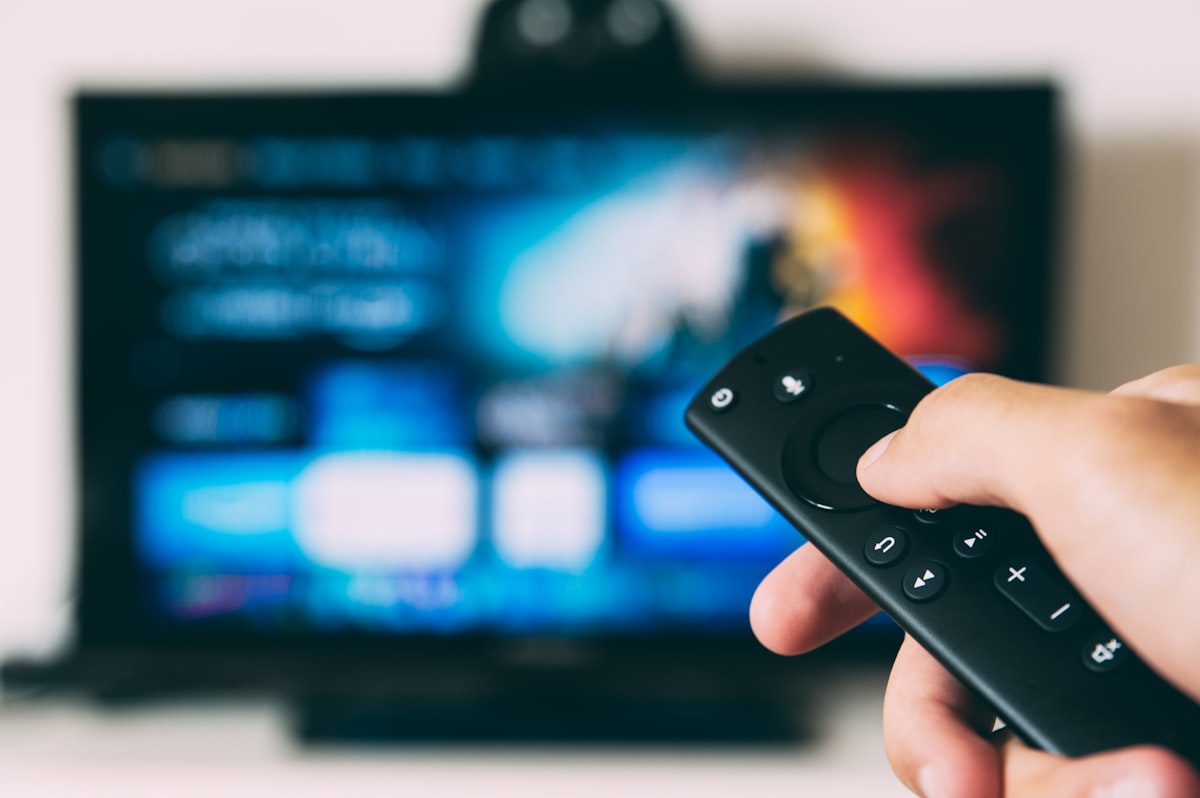
"Streaming is bad for the environment" gets repeated often enough that it's worth actually checking against the numbers, rather than treating it as settled. It turns out to be true, but only under specific conditions — and the more interesting finding is what those conditions actually are.
The Core Mechanism: Streaming Charges You Every Time
The fundamental difference is straightforward: a downloaded file generates its emissions once, at download time, and every subsequent play is essentially free from a carbon standpoint. Streaming generates emissions on every single play, since the content has to be transmitted from a data center over a network each time. This means the environmental comparison isn't really "streaming vs downloading" in the abstract — it's about how many times you're going to consume the same content.
The Actual Numbers
An hour of HD video streaming has been estimated at roughly 36 grams of CO2. An hour of music streaming has been estimated somewhat higher, around 55 grams — a useful reminder that streaming's footprint isn't uniform across content types, and depends on data center efficiency, network type, and the device being used to play it.
Where Downloading Actually Wins
If you're going to watch or listen to something more than a handful of times, downloading it once (ideally over WiFi, not mobile data) and playing it locally afterward has a genuinely lower cumulative footprint than streaming it repeatedly. One estimate found that if all songs were downloaded instead of streamed, there could be an 80% emissions reduction after the first listen — a meaningful gap, but one that's specifically about repeat plays, not one-time listening.
The Network Matters as Much as the Method
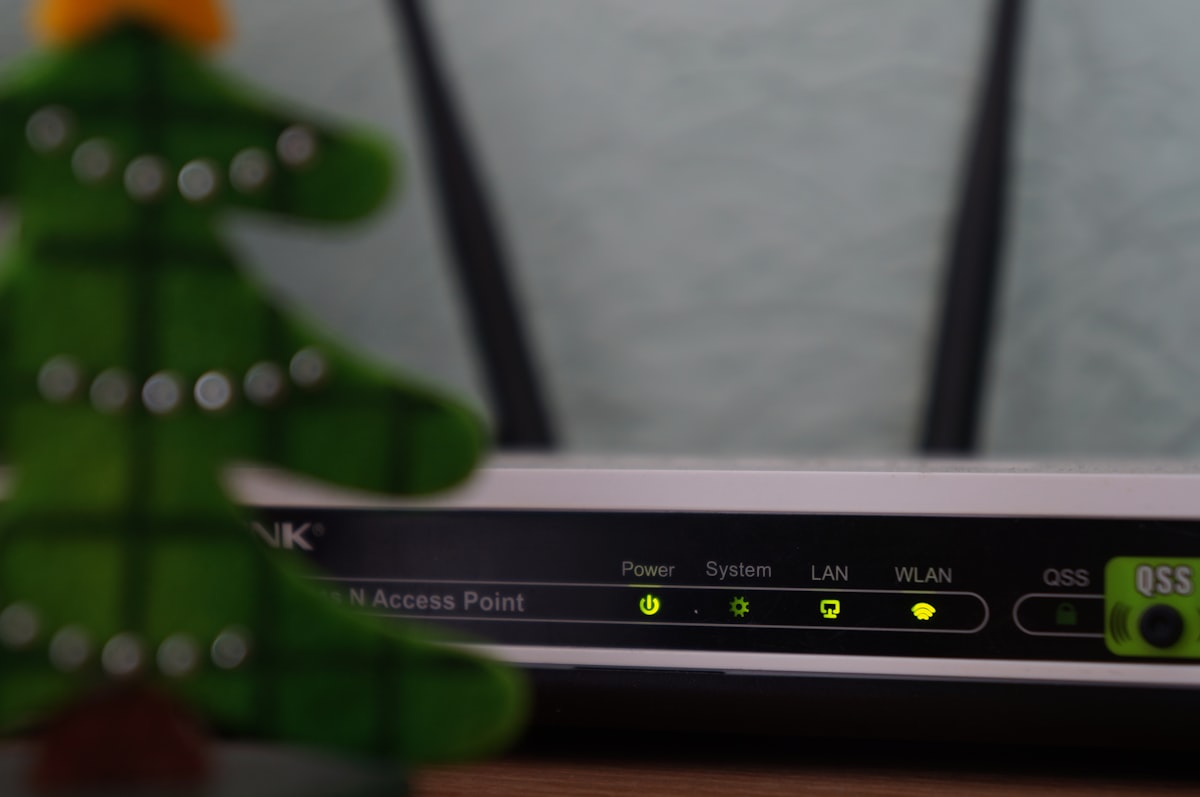
Mobile data networks (4G, 5G) are considerably more energy-intensive than WiFi for moving the same amount of data. This means streaming once over WiFi can have a smaller footprint than downloading the same content over mobile data — the streaming-vs-downloading question and the WiFi-vs-mobile-data question are somewhat independent, and both matter.
What This Actually Means for How You Watch Things
For a movie or show you'll watch once, the streaming-vs-downloading choice barely moves the needle either way. For content you replay often — a workout playlist, a favorite album, a show you rewatch — downloading it once over WiFi is a small, genuinely meaningful habit change. And regardless of streaming or downloading, doing it over WiFi instead of mobile data is one of the more reliable ways to reduce the footprint of how you consume digital content.
Reviews & Comments
Loading...