
The average American buys 68 garments a year and, per widely cited apparel industry research, wears each item roughly 7 times before it's discarded, donated, or forgotten in a drawer. A capsule wardrobe — a small, deliberately chosen collection of versatile pieces — fixes the volume problem. But most "capsule wardrobe" content online only addresses quantity, not what the clothes are actually made of. A 30-piece capsule built entirely from fast fashion is still fast fashion, just less of it.
This guide covers both halves: how to build a genuinely small, versatile wardrobe, and how to make sure every piece in it is durable and ethically made — not just minimal.
Why Quantity Alone Isn't the Fix
Fast fashion's environmental cost isn't just about how many garments you own — it's about how the garments are made and how long they last. A polyester-blend fast-fashion tee sheds microplastic fibers every wash cycle, regardless of how few tees are in your closet. The fix has two parts:
- Fewer items: Buy less, choose pieces that combine across multiple outfits.
- Better items: Choose durable, certified materials so each piece lasts years, not months.
The Certifications Worth Checking
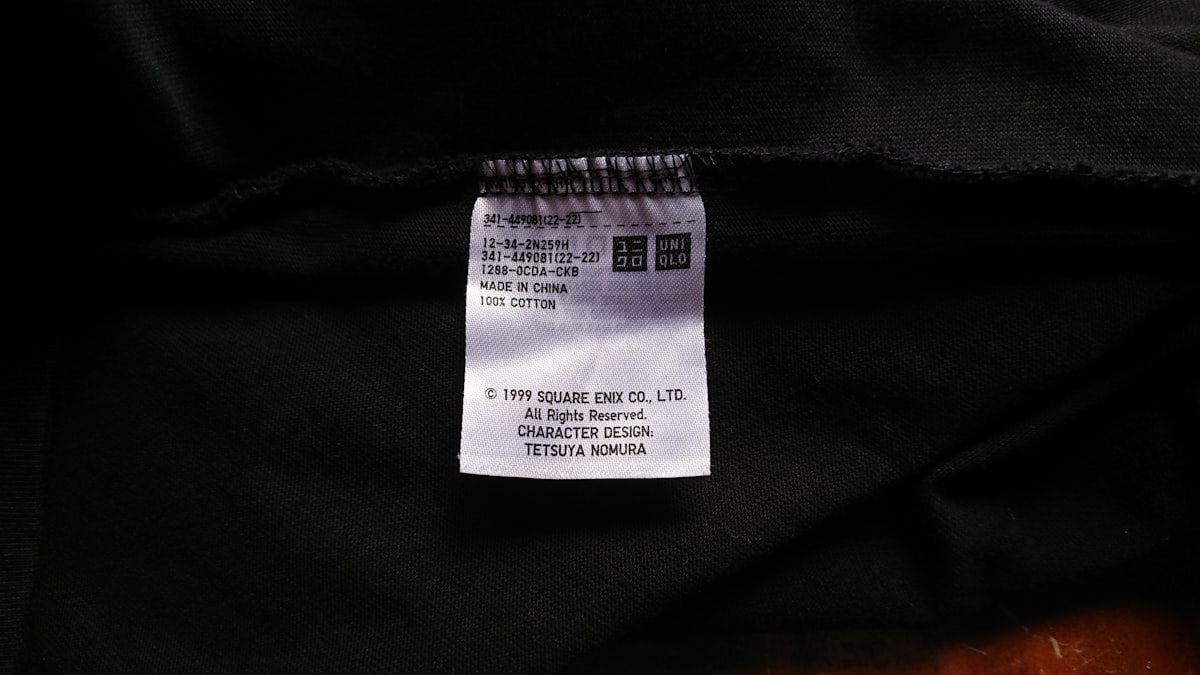
Clothing labels rarely disclose the same level of detail as food or cosmetics, but a handful of certifications are genuinely meaningful rather than marketing fluff:
- GOTS (Global Organic Textile Standard): Certifies organic fiber content and restricts the chemical processes used to treat the fabric.
- Fair Trade Certified: Verifies factory labor conditions, wages, and working hours.
- OEKO-TEX Standard 100: Tests the finished garment for harmful substances, independent of how it was grown or dyed.
- B Corp: A whole-company certification covering environmental and social practices, not limited to one product line.
We compared a real fast-fashion basic against a certified alternative — full blind wear test and cost-per-wear math in SHEIN vs Pact: What Actually Survives 50 Washes.
Building the Capsule: A 25-35 Piece Framework
A workable starting structure for most climates:
- 6-8 tops (mix of basics and 1-2 statement pieces)
- 4-5 bottoms
- 2-3 layering pieces (cardigan, jacket)
- 1-2 dresses or jumpsuits (if worn)
- 2-3 pairs of shoes covering everyday, dressier, and activewear needs
- A handful of accessories that tie multiple outfits together
For the footwear question specifically — which matters more for durability than almost any other category — see our full test in fair-trade sneakers vs fast fashion, tested for 6 months.
What to Do With What You Already Own
Building a sustainable capsule doesn't mean discarding your current closet. Before buying anything new:
- Sort what you have into "worn in the last 3 months," "worn 3-12 months ago," and "unworn over 12 months."
- The unworn pile is your capsule's biggest opportunity — resell, don't donate, wherever possible; donated clothing has a documented low resale/reuse rate once it leaves your closet.
- Only buy new to fill genuine gaps in the "worn in the last 3 months" categories.
If you're planning to resell what you're removing, verifying quality on resale platforms is its own skill — we broke down which marketplace actually checks what it claims to in ThredUp vs Poshmark vs Depop. And for the full no-new-purchases version of this guide, see how to build a 30-piece capsule wardrobe without buying anything new.
Cost-Per-Wear: The Math That Actually Matters
Sticker price is the wrong comparison. Divide the price by the realistic number of wears before the item is unwearable:
| Item | Price | Realistic wears | Cost per wear |
|---|---|---|---|
| Fast-fashion tee | $5.99 | ~10 | $0.60 |
| GOTS organic tee | $28.00 | 150+ | under $0.20 |
The certified option costs 4-5x more upfront and roughly a third as much per actual wear.
Reviews & Comments
Loading...