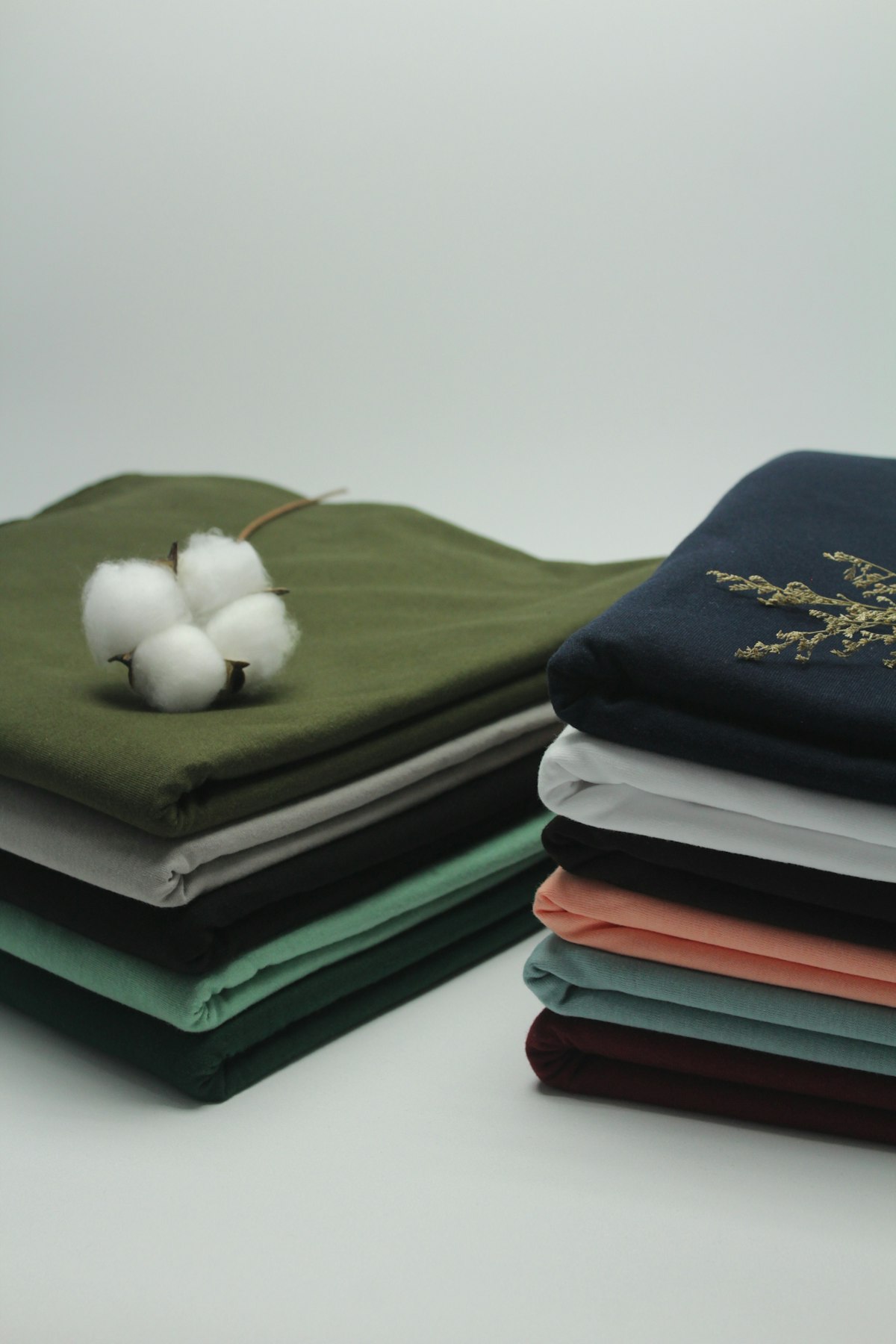
A $5 t-shirt is, from the buyer's side, genuinely cheap. What's worth sitting with is that the shirt itself isn't cheap to make — the price tag just doesn't reflect most of what actually goes into it. That gap has to be absorbed somewhere, and it's worth knowing where.
The Water Number Is the One That Sticks
Producing the cotton for a single t-shirt takes an estimated 2,700 liters of water — enough for one person to drink for roughly two and a half years. This isn't a dyeing or finishing number; it's mostly just growing the raw cotton, which is an unusually water-intensive crop even before any manufacturing happens. Fashion as an industry is the second-largest water consumer globally, using an estimated 79 to 93 billion cubic meters of water a year.
The Carbon Number Is Bigger Than People Expect
One t-shirt generates roughly 2.6kg of CO2 in production — comparable to driving about 14 kilometers in a standard car. Scaled up across the industry, fashion is responsible for approximately 10% of global carbon emissions, more than international flights and maritime shipping combined. That's a genuinely large share for an industry that doesn't usually get discussed in the same breath as aviation or shipping when people talk about climate impact.
Where the Clothes Actually Go When You're Done With Them
Textile waste makes up an estimated 40% of landfill content tied to clothing, and less than 1% of textiles produced are ever recycled into new clothing — the vast majority is landfilled or incinerated. Most of that textile waste is non-biodegradable and can persist in landfills for around 200 years, which means a cheap shirt's environmental footprint doesn't end when you stop wearing it.
The Part That Doesn't Show Up in Any Environmental Stat
Labor is the other place the true cost gets absorbed. One estimate found that a minimum increase of just 12 cents per t-shirt would be enough to move toward a living wage for the garment workers making them for a major retailer — a small enough number that it makes clear the $5 price point isn't really about efficient production, it's about who isn't being paid adequately for their part of it.
What "True Cost" Actually Means Here
None of this means a $5 t-shirt is secretly $50 in disguise — it means the $5 doesn't include water use, carbon emissions, landfill impact, or fair labor, and those costs don't disappear just because they're not on the receipt. They're paid by the environment and by garment workers, not eliminated. Understanding that is less about guilt over any individual purchase and more about recognizing what "cheap" actually means when a price doesn't reflect the real inputs behind it.


Reviews & Comments
Loading...