Non-Toxic Mattresses, Cookware & Bedding: The Complete Clean Materials Guide
Most of what off-gasses in a home isn't obvious — it's the memory foam mattress you sleep on eight hours a night, the nonstick pan you cook dinner in, and the polyester sheets shedding synthetic fibers into your laundry water. None of these products are illegal or even unusual; they're just built from materials that trade durability and low cost for a chemical exposure most people never think to ask about. Memory foam and upholstered furniture can release volatile organic compounds (VOCs) for weeks or months after manufacture. Nonstick cookware coatings are part of the PFAS ('forever chemical') family that persists in the environment and, at high heat, in your kitchen air. Conventional bedding is often treated with formaldehyde-based wrinkle-resistant finishes and woven from synthetic fibers that shed microplastics with every wash. This guide covers what to actually look for — GREENGUARD Gold and CertiPUR-US certified foam, PFAS-free cookware, OEKO-TEX and GOTS-certified natural fiber bedding — and what each certification does and doesn't guarantee. We'll walk through the real mechanisms behind off-gassing and material safety, give you seven practical steps to reduce exposure in your own home, and answer the questions we hear most from readers trying to separate genuine safety improvements from marketing claims.
Top-Rated Clean Materials Products
Not sure? Take the quiz →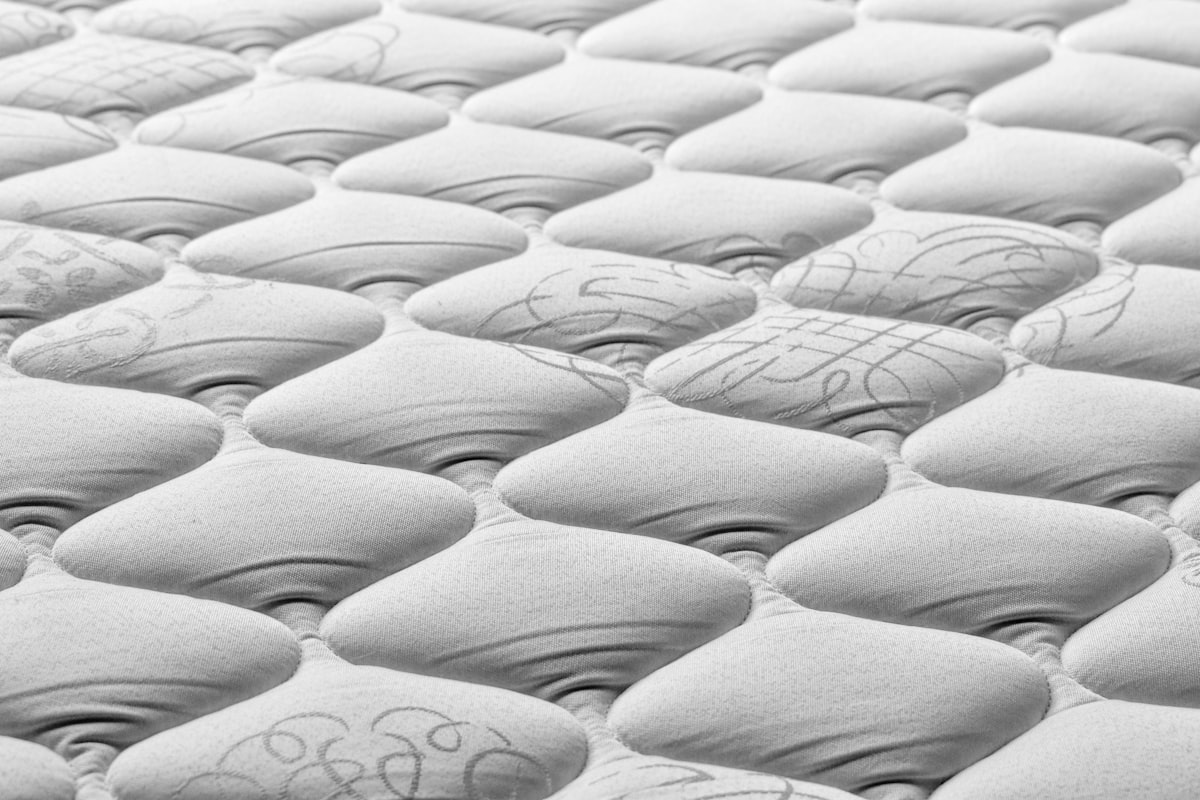
Avocado Green Mattress
Avocado
A GOLS-certified organic latex and GOTS-certified organic wool/cotton mattress, hand-assembled in Los Angeles with no polyurethane foam and no added chemical fire retardants — one of the more thoroughly certified mattresses on the market, at a matching price.
- ✓GOLS-certified organic latex and GOTS-certified organic wool and cotton, independently verified rather than self-declared
- ✓No polyurethane foam and no added chemical fire retardants
- ✓Long warranty and a generous home trial period typical of direct-to-consumer mattress brands

Caraway Non-Toxic Cookware Set
Caraway
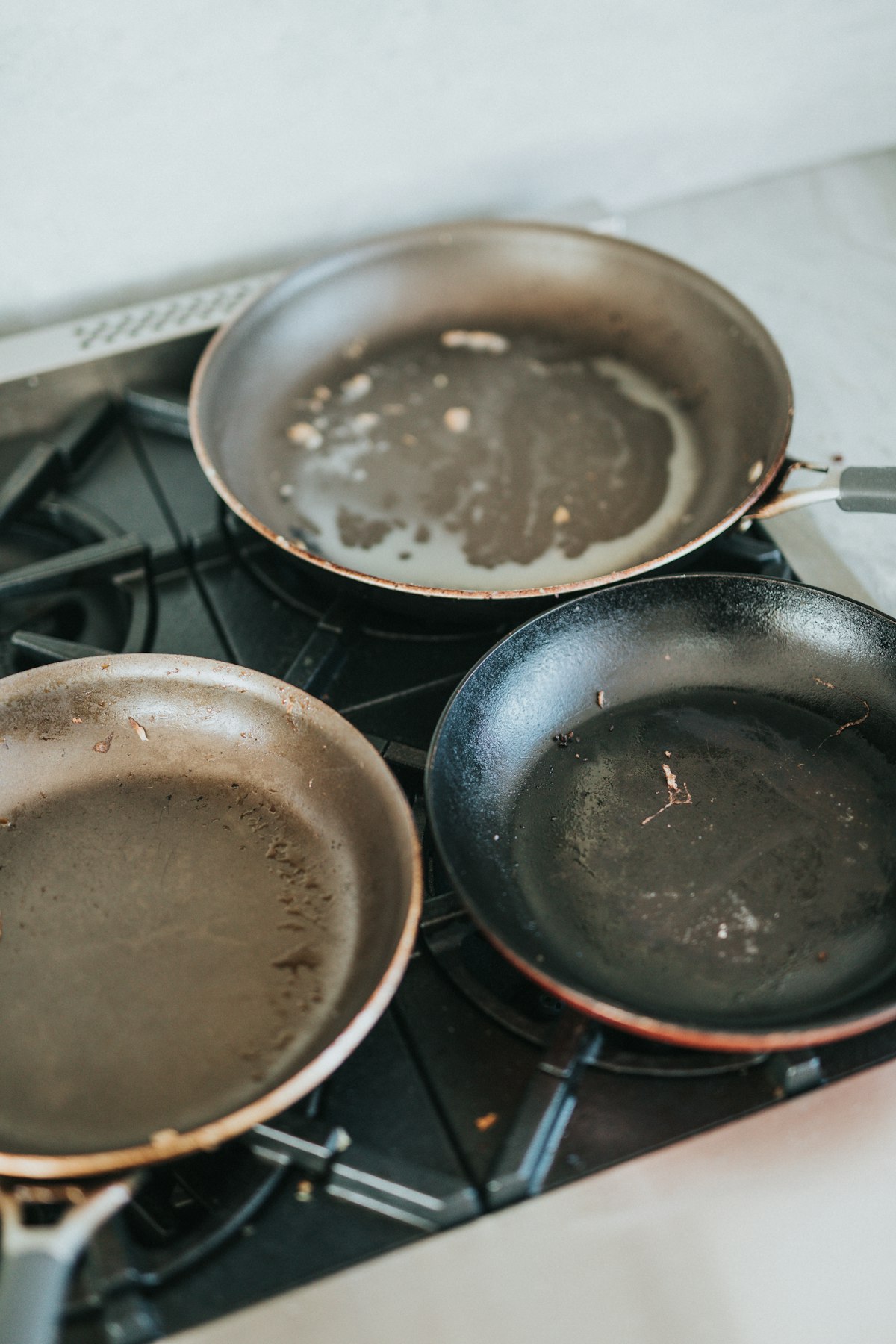
A ceramic-coated aluminum cookware set made without PTFE, PFOA, PFAS, lead, or cadmium in the cooking surface — a genuine step away from traditional nonstick chemistry, though ceramic coatings trade off some durability for that safety profile.
- ✓Cooking surface made without PTFE, PFOA, PFAS, lead, or cadmium
- ✓Comes with a matching storage system for pots, pans, and lids — no separate cabinet organizer needed
- ✓Oven-safe up to 550°F and works on gas, electric, and induction cooktops
GreenPan Ceramic Nonstick Cookware Set
GreenPan
Ceramic nonstick cookware using GreenPan's Thermolon coating, independently verified as free of PFAS, PTFE, and PFOA — genuinely different chemistry than traditional nonstick, not just a marketing claim.
- ✓Thermolon ceramic coating is verifiably PFAS/PTFE/PFOA-free, not just PFOA-free like some 'safer' traditional nonstick
- ✓2-year coating warranty plus lifetime warranty against manufacturing defects
- ✓Oven-safe, generally dishwasher-safe depending on the line
Sealy Memory Foam Mattress
Sealy
A mainstream memory foam mattress in the price range most American shoppers actually buy in. Conventional memory foam is a well-documented source of new-mattress off-gassing (VOCs like formaldehyde and toluene), and most budget-to-mid-range foam mattresses use brominated or halogenated flame retardants to meet fire safety standards — real trade-offs for a much lower price than an organic latex mattress.
- ✓Far less expensive upfront than an organic latex mattress
- ✓Widely available for in-store testing before buying
- ✓Familiar memory-foam feel most shoppers already know
Latest Clean Materials Articles

The case for switching
Why Clean Materials Matter in Every Room
- ✓ Memory foam mattresses and new upholstered furniture can off-gas volatile organic compounds (VOCs) — including formaldehyde and benzene derivatives — for weeks after unboxing. GREENGUARD Gold certification caps total VOC emissions and specifically limits formaldehyde, but the standard doesn't mean zero emissions, only emissions verified below a tested threshold.
- ✓ PTFE nonstick coatings (Teflon and similar) belong to the broader PFAS chemical family. At normal cooking temperatures they're considered safe by most manufacturers, but overheating an empty nonstick pan past roughly 500°F can release fumes. Cast iron, stainless steel, and genuinely PFAS-free ceramic coatings avoid the concern entirely.
- ✓ CertiPUR-US certified foam is tested and verified to be made without ozone depleters, PBDE flame retardants, mercury, lead, and other heavy metals, and with low VOC emissions. It's a floor, not a ceiling — GREENGUARD Gold adds a stricter, whole-product VOC emissions limit on top of it.
- ✓ Synthetic bedding (polyester, microfiber) sheds microplastic fibers in every wash and traps heat and moisture, creating conditions dust mites thrive in. Natural fibers — organic cotton, linen, wool — are more breathable and fully biodegradable at end of life.
- ✓ A natural latex mattress typically costs more upfront than memory foam but commonly lasts 15–20 years versus 7–10 for foam, meaning the cost per year of use is often comparable or lower once replacement frequency is factored in.
How to do it
7 Tips for a Cleaner-Materials Home
- 1 Air out anything new before you use it Unbox mattresses, foam furniture, and rugs in a well-ventilated room — ideally with a window open — for at least 48–72 hours before regular use. Off-gassing is highest in the first few days and drops sharply after that.
- 2 Look for CertiPUR-US at minimum, GREENGUARD Gold for stricter limits CertiPUR-US foam avoids flame retardants and heavy metals. GREENGUARD Gold goes further, testing the finished product for total VOC emissions — look for both certifications together on mattresses and upholstered furniture where possible.
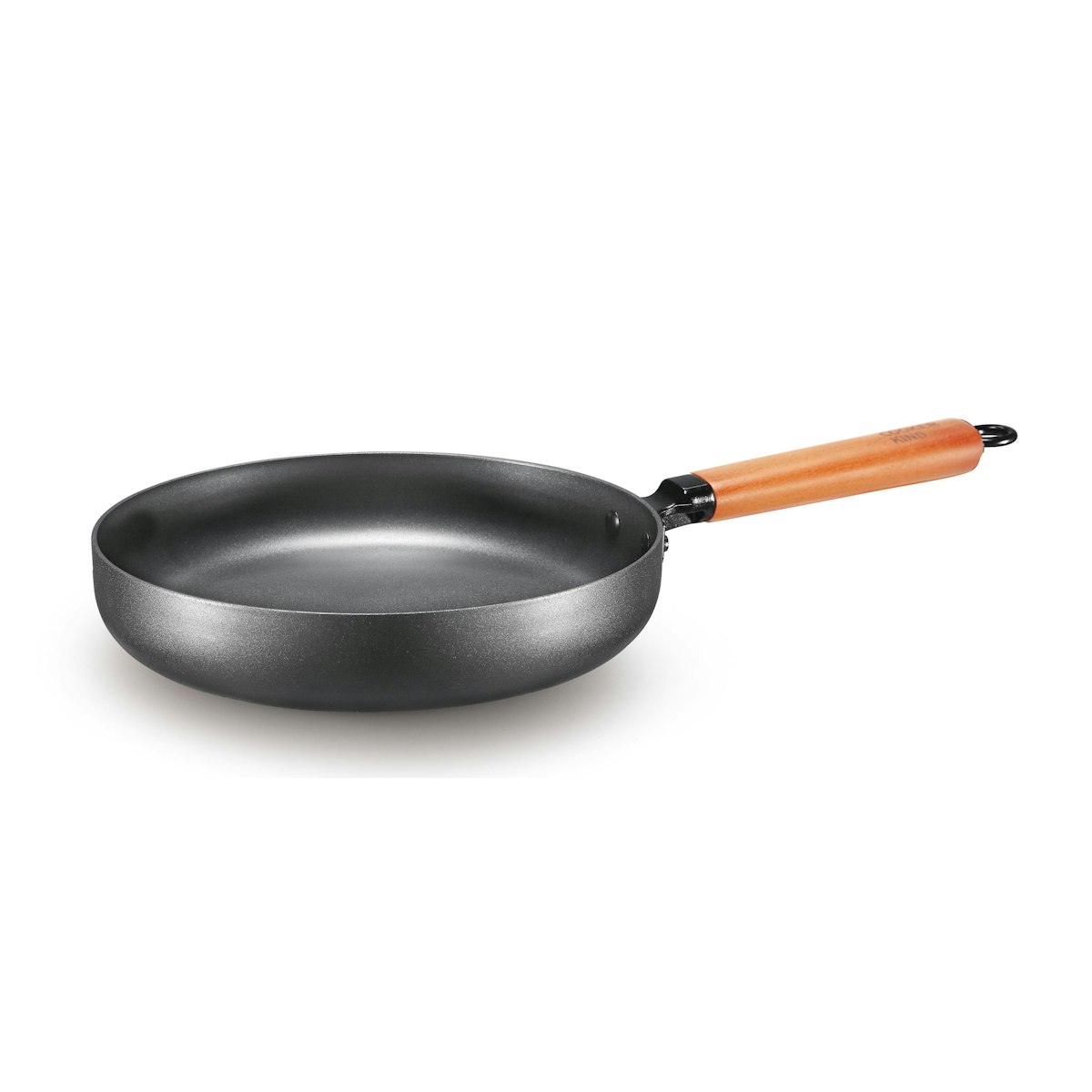
- 3 Retire aging nonstick pans, don't wait for them to flake Nonstick coatings degrade with scratches, high heat, and metal utensils. Once the surface is visibly damaged, replace it — a scratched coating is more likely to shed into food and behaves less predictably at high heat.
- 4 Never preheat an empty nonstick pan Always add oil, butter, or food before the pan reaches temperature. An empty nonstick pan can exceed the coating's safe temperature range within minutes on high heat, which is when fumes are most likely.
- 5 Choose GOTS-certified organic cotton or OEKO-TEX certified bedding GOTS certifies the organic and ethical supply chain from fiber to finished sheet. OEKO-TEX Standard 100 tests the finished textile for harmful substances regardless of fiber source — the two answer different questions, and either is a meaningful upgrade over uncertified synthetic bedding.
- 6 Wash new textiles before first use New sheets, pillowcases, and clothing are often treated with formaldehyde-based finishes to resist wrinkles and stains in shipping. A single hot wash removes most of the residue before the fabric touches your skin overnight.
- 7 Ventilate bedrooms daily Opening a window for 10–15 minutes a day meaningfully lowers indoor VOC concentration and moisture buildup, which also reduces the conditions dust mites and mold need to thrive — a simple habit that compounds with every other swap on this list.
Also see: Kitchen swaps guide →
Common questions
FAQ
Everything readers ask us most about making the clean materials switch.
Get matched
Want personalised picks?
Answer 7 questions → we match you to the best swaps for your home.