Zero-Waste Daily: A Beginner's Guide to Sustainable Habits That Actually Stick
'Zero-waste' is a misleading name for what's really a set of habits, not a finish line — nobody, including the most dedicated advocates, produces literally zero trash. What the movement actually offers is a simple hierarchy for making better decisions: refuse what you don't need, reduce what you do, reuse what you have, and recycle or compost only what's left. This guide is the starting point for everything else on SwapSages — before you buy a single shampoo bar or laundry strip, it helps to understand why the order of operations matters and where the highest-impact changes actually are. Most people start zero-waste living by buying a matching set of glass jars and stainless straws, then burn out within a month because the swaps came before the habits. We take the opposite approach: build the daily routines first — using what you own, saying no to freebies and single-use defaults, planning meals to cut food waste — and let the product swaps follow naturally once you know what you actually need. This guide covers the mindset shifts, the habits that save the most waste for the least effort, and honest answers to the guilt, cost, and 'does this even matter' questions every beginner asks.
Top-Rated Tips Products
Not sure? Take the quiz →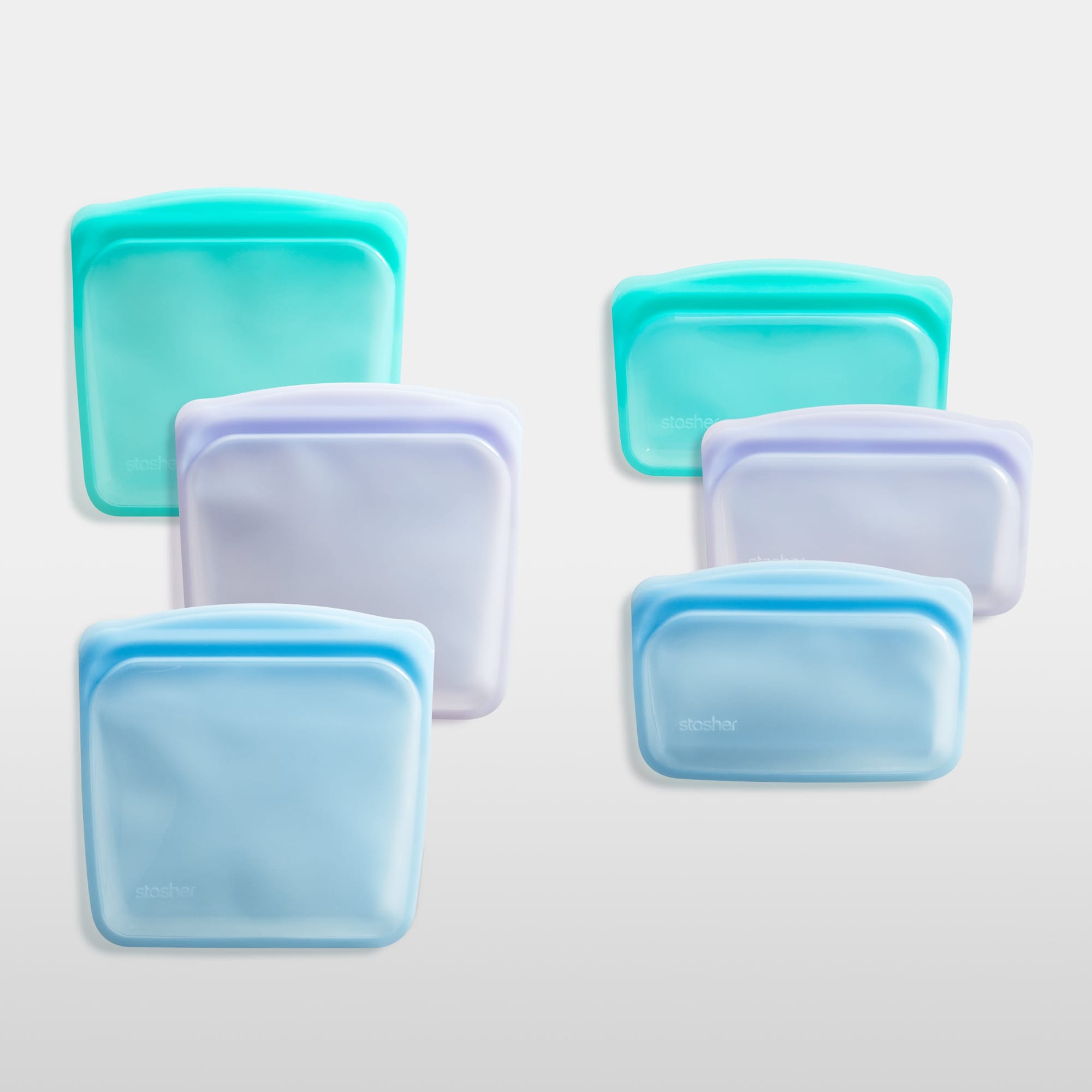
Stasher Reusable Silicone Bag Set
Stasher
Stasher's platinum food-grade silicone bags are built to replace years of single-use zip-top bags, with a pinch-seal that's dishwasher, microwave, and freezer safe. They cost far more upfront than a box of plastic bags, and silicone itself never biodegrades — the eco win only comes from actually reusing them for years.
- ✓Reusable for years, replacing hundreds of single-use plastic bags over its lifespan
- ✓Free of BPA, phthalates, and lead; safe in the dishwasher, microwave, and oven up to 425°F
- ✓Pinch-Loc seal is genuinely leak-resistant for liquids, not just dry snacks
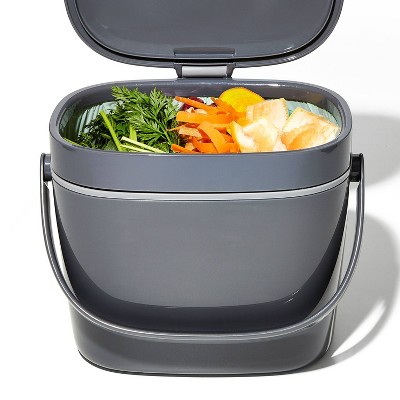
OXO Good Grips Compost Bin
OXO
OXO's countertop compost bin is a well-designed catch-all for kitchen scraps between trips to a curbside compost pickup, backyard pile, or drop-off site. It's just a holding container, not a composter itself, and its charcoal filter needs periodic replacement to keep odor down.
- ✓Removable inner bucket and compostable-bag-friendly design make emptying genuinely easy to clean
- ✓Snap-lock lid keeps fruit flies and odor down between empties
- ✓Compact enough for an apartment counter without feeling like a trash can
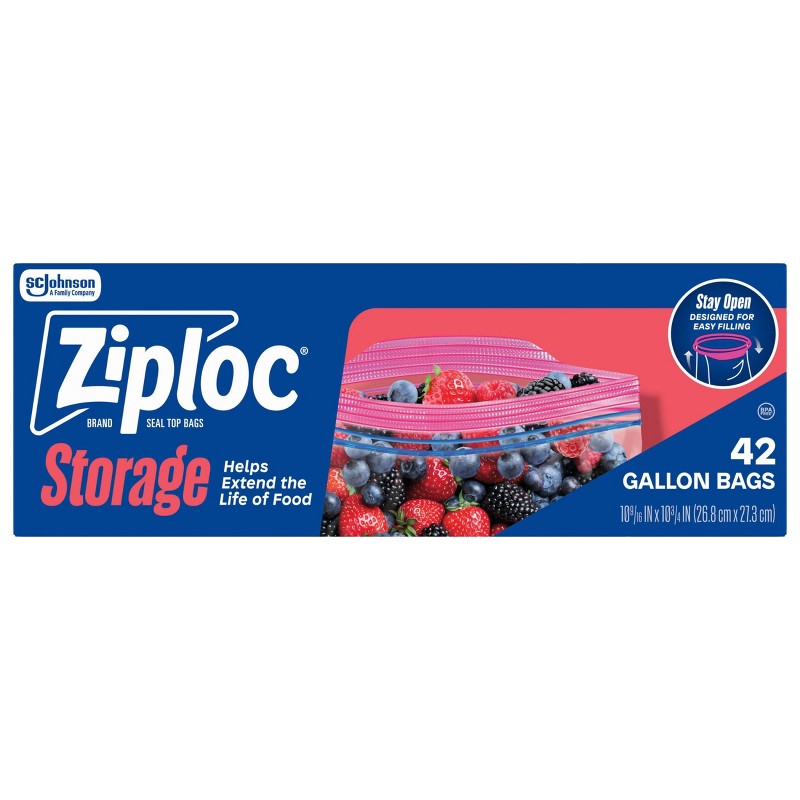
Ziploc Storage Bags
Ziploc
Ziploc is the default single-use storage bag in most American kitchens — cheap, familiar, and functional. The bags are technically made of recyclable #4 LDPE plastic, but standard curbside recycling facilities aren't equipped to process them; they require a separate store drop-off program most people never use.
- ✓Very low cost per bag and available everywhere
- ✓Familiar format — zero learning curve
- ✓Works in freezer, fridge, and pantry storage alike
Latest Tips Articles


The case for switching
Why Habits Come Before Products
- ✓ The waste hierarchy — refuse, reduce, reuse, recycle, rot — ranks solutions by actual impact, not virtue. Refusing a plastic bag you never needed prevents more waste than recycling ten you already have; most beginners start at the bottom of the hierarchy instead of the top.
- ✓ Buying a full set of 'zero-waste starter kit' products before changing any habits often creates more waste, not less — unused kitchen gadgets and abandoned reusables are themselves landfill in waiting. The most sustainable product is usually the one you already own.
- ✓ Food waste, not packaging, is one of the largest single sources of household waste by weight in many countries, and it's almost entirely habit-driven — better meal planning and proper storage cut it dramatically with zero purchases required.
- ✓ Recycling contamination — putting the wrong items in the bin — is common enough that many municipal recycling programs reject or landfill entire batches of otherwise-recyclable material. Understanding your local rules matters more than buying recycling-branded products.
- ✓ Habit-formation research consistently shows that changes anchored to an existing routine (bringing a reusable cup on your regular coffee run) stick far longer than changes that require building a brand-new routine from scratch (a separate zero-waste errand).
How to do it
7 Tips to Start (and Actually Stick With) Zero-Waste Living
- 1 Do a trash audit before buying anything For one week, don't change your routine — just notice what you throw away. Most people find the majority of their bin is two or three repeat items (coffee cups, food packaging, produce bags). Fix those first instead of guessing.
- 2 Use up what you own first Finish your existing shampoo, cleaning spray, and toiletries before replacing them with eco alternatives. Throwing away half-used conventional products to switch faster wastes more than finishing them ever would.
- 3 Master the 'no thank you' Refusing free promotional items, extra napkins, plastic cutlery with takeout, and unsolicited freebies eliminates waste before it enters your home at all — it's the top of the hierarchy and the easiest habit to build once it's automatic.
- 4 Plan meals around what's about to spoil A weekly five-minute check of your fridge for anything nearing its use-by date, planned into that week's meals, is one of the highest-impact zero-waste habits for most households — food waste outweighs packaging waste by volume in most kitchens.
- 5 Keep a 'reuse kit' by the door A tote bag, a reusable cup, and a set of cutlery kept somewhere you'll actually grab them — car, bag, coat pocket — removes the friction that causes most single-use defaults. If it's not within reach, you won't use it.
- 6 Learn your local recycling rules specifically The recycling symbol on packaging isn't a universal guarantee of recyclability — rules vary significantly by municipality. Five minutes on your local waste authority's website prevents 'wishcycling' that can contaminate an entire batch.
- 7 Track progress by habit, not perfection Zero-waste living isn't binary — a household that cuts its waste by 40% through consistent habits has a bigger real-world impact than one person who achieves 'zero' for a month and burns out. Track trends, not streaks.
Also see: Apparel swaps guide →
Common questions
FAQ
Everything readers ask us most about making the tips switch.
Get matched
Want personalised picks?
Answer 7 questions → we match you to the best swaps for your home.