TL;DR: Stasher's silicone bags are dishwasher-, freezer-, and microwave-safe with a fully airtight pinch-lock seal, making them the better all-around plastic swap for liquids, raw meat, and reheating. Bee's Wrap is hand-wash only and seals by hand warmth rather than a true airtight closure, but it's cheaper per wrap and genuinely better suited to cheese, bread, and cut produce that need to breathe.
How Each One Actually Works
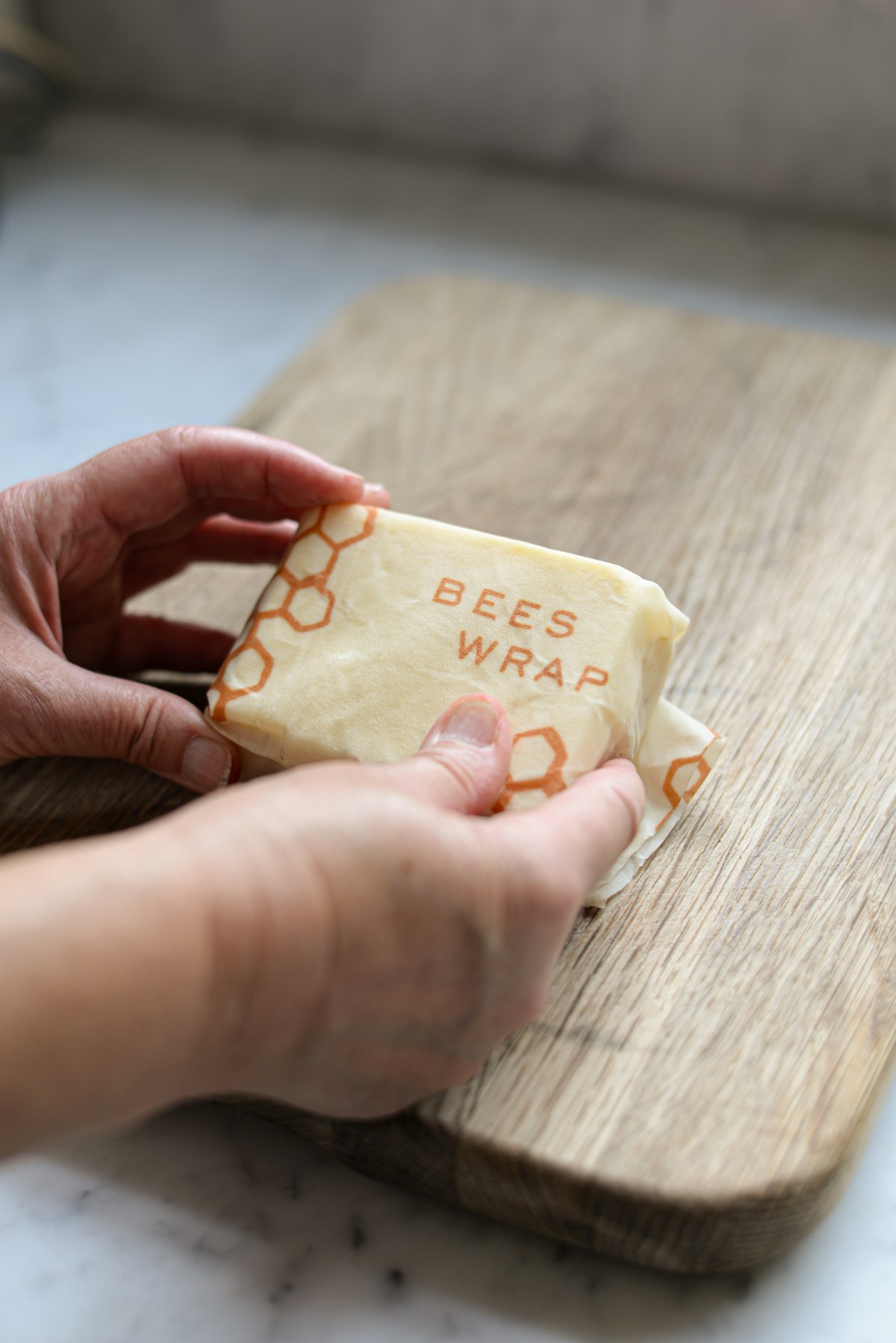
Bee's Wrap is organic cotton fabric coated in a blend of beeswax, jojoba oil, and tree resin. That wax coating is what makes it moldable: press it around a bowl, half a lemon, or a wedge of cheese, and the warmth of your hands softens the wax just enough to shape it, then it firms back up as it cools to hold that shape. It's a genuinely clever piece of low-tech design, and it's why Bee's Wrap, a Vermont-founded, B Corp-certified company, is one of the most recognized names in the plastic-wrap-alternative category.
Stasher bags are made from platinum food-grade silicone, a different material category entirely, closer to a flexible reusable container than a wrap. Instead of molding around food, a Stasher bag has a pinch-seal closure similar in concept to a zip-top bag, which is what gives it a genuinely airtight seal that a wax wrap, by design, cannot fully match.
Airtight Seal: The Real Difference
This is the single biggest functional gap between the two products. A Stasher bag's pinch-lock closure seals completely, which is why it can safely hold liquids, marinate raw meat, or go into the freezer without leaking. Bee's Wrap seals by hand pressure and wax tack alone, good enough to keep cut produce from drying out or cover a bowl in the fridge for a few days, but it is not a submersion-proof or leak-proof seal. Bee's Wrap's own care guidance reflects this: the wraps are recommended for cheese, bread, cut fruit and vegetables, and covering bowls, and explicitly not for raw meat, raw fish, or very wet or juicy foods, both because the seal isn't airtight and because the wax coating can't be sanitized the way dishwasher-safe silicone can.
Dishwasher, Freezer, and Microwave: Where Stasher Pulls Ahead
Stasher bags are dishwasher-safe, freezer-safe, and microwave-safe, and the platinum silicone can also handle boiling water for sous-vide-style cooking. Bee's Wrap is hand-wash only, using cool or lukewarm water and mild soap; hot water and a dishwasher's heat cycle will melt or degrade the wax coating and permanently ruin the wrap. If your plastic-wrap frustration is mostly about reheating leftovers, freezing meal-prepped food, or marinating meat, Stasher directly solves that in a way Bee's Wrap physically cannot.
Lifespan and Cost Per Use
Bee's Wrap is the cheaper entry point per wrap, but it's also the shorter-lived product: with regular hand-washing and cool-water care, a wrap is commonly reported to last around a year of active kitchen use before the wax coating wears thin and it needs replacing (a well-worn wrap can often be refreshed by re-melting more wax onto it, extending its life further). Stasher bags cost significantly more upfront per bag, but silicone doesn't degrade the way a wax coating does with washing, so a Stasher bag can realistically last for years of regular use, which is what tends to close the cost-per-use gap over time even though the sticker price is higher.
Bee's Wrap vs Stasher: Head-to-Head
| Attribute | Bee's Wrap | Stasher |
|---|---|---|
| Material | Organic cotton + beeswax, jojoba oil, tree resin | Platinum food-grade silicone |
| Seal | Hand-warmth press seal, not airtight | Pinch-lock, fully airtight |
| Dishwasher / microwave / freezer | No, hand-wash only | Yes, all three |
| Best for | Cheese, bread, cut produce, covering bowls | Liquids, raw meat, reheating, freezing |
| Typical lifespan | About 1 year of active use | Several years |
The Honest Tradeoff Nobody Advertises
Bee's Wrap is genuinely compostable at end of life since it's cotton and natural wax, while a Stasher bag, despite being reusable for years, is still silicone: a durable, non-biodegradable material that will eventually need disposal, though its long usable life is the main way it earns its environmental case rather than compostability. Neither product is a perfect swap for plastic wrap or bags in every scenario, and this is really a two-tool answer rather than a one-winner comparison: most zero-waste kitchens end up with both, using Bee's Wrap for produce and cheese on the counter and Stasher for the freezer, microwave, and anything wet or raw.
Buying Guide: Sizes and Starter Sets
Bee's Wrap is typically sold in assorted multi-packs covering a small, medium, and large size, which roughly correspond to wrapping a lemon half, a sandwich, or a full bowl or loaf of bread. Stasher's lineup is organized more like a reusable version of a bag drawer: snack-size pouches, sandwich bags, stand-up bags for the freezer or pantry, and larger bowl-style bags for leftovers or bulk food storage. Because the two products solve different problems, most people are better served starting with a small assorted Bee's Wrap set for the fridge and one or two Stasher stand-up or sandwich bags for the freezer, rather than buying a large set of either one and hoping it covers everything.
The Verdict
If you had to pick just one, the right question is what you're replacing most. Sandwich bags and wrap-and-freeze meal prep push you toward Stasher, while cheese, bread, and half-used produce in the fridge push you toward Bee's Wrap. Buying both, a set of Bee's Wrap for the counter and one or two Stasher bags for the freezer, is the combination that actually replaces the most single-use plastic in a typical kitchen, and it's the setup we'd recommend over trying to force one product to do both jobs.


Reviews & Comments
Loading...