Eco-Friendly Garden Products: The Complete Sustainable Gardening Guide
The garden is one of the most powerful places to act sustainably — and unfortunately one where conventional products can do significant harm. Peat-based compost destroys irreplaceable bog habitats, synthetic fertilizers contribute to waterway pollution and soil degradation, and pesticides devastate pollinator populations. But sustainable gardening is also deeply rewarding: peat-free compost produces excellent results, organic fertilizers build long-term soil health, and companion planting offers pest control that works with nature. This guide covers the best peat-free composts, organic feeds, water-saving products, natural pest deterrents, and wildlife-friendly garden accessories. Whether you have a balcony or an acre, there's something here to make your outdoor space greener in every sense.
Top-Rated Garden Products
Not sure? Take the quiz →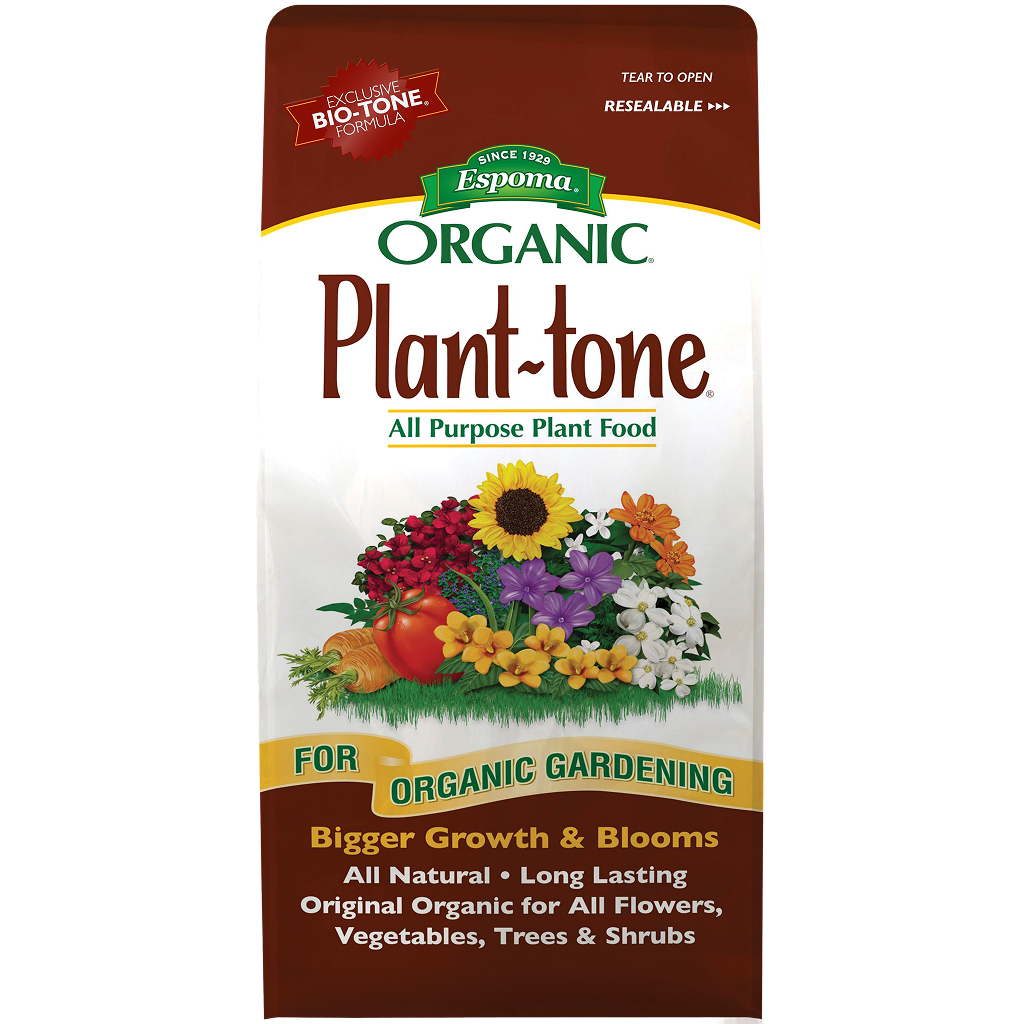
Espoma Organic Plant Food
Espoma
Espoma's Plant-Tone is a long-standing organic, granular fertilizer built around natural ingredients rather than synthetic salts. It's slower-acting than a synthetic feed, so it rewards patience more than instant green-up.
- ✓OMRI Listed for organic gardening, with no synthetic chemical fillers
- ✓Feeds soil microbiology over time instead of just force-feeding the plant
- ✓Widely available and inexpensive per application

Lomi Electric Composter
Lomi
A countertop electric composter that breaks down food scraps into a dry, nutrient-rich soil amendment overnight with the push of a button. It's genuinely convenient for apartment dwellers without yard space, but it runs on electricity and its output needs to be mixed into soil, not used as finished compost on its own.
- ✓Processes a full bucket of food scraps in as little as 3-16 hours depending on mode
- ✓No yard, worms, or turning required — works for apartments and condos
- ✓Cuts the volume of household food waste going to landfill by roughly 80%
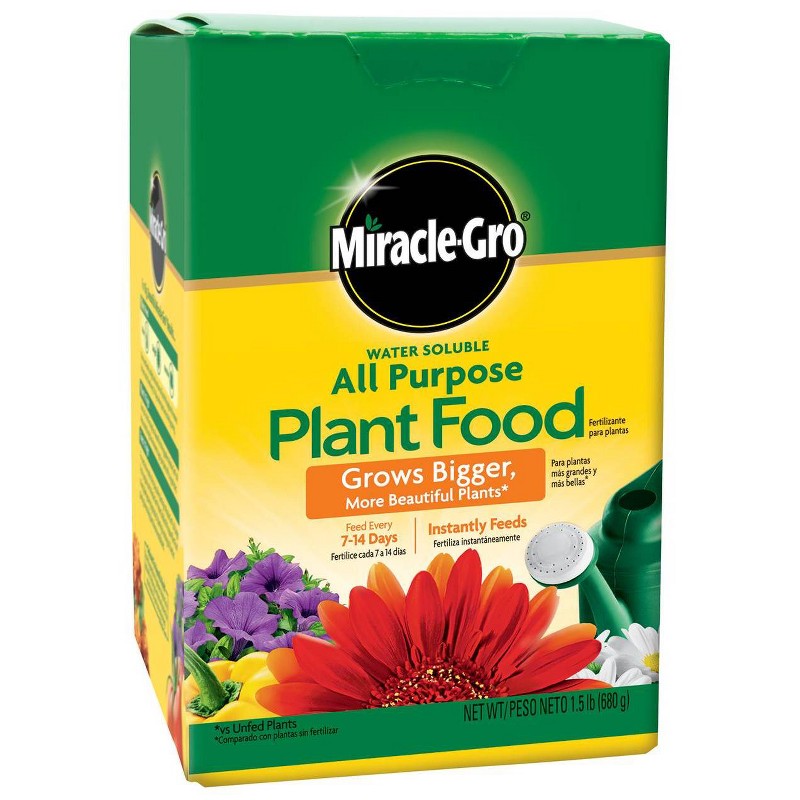
Miracle-Gro All Purpose Plant Food
Miracle-Gro
Miracle-Gro is the best-selling plant food in the US, a water-soluble synthetic fertilizer (24-8-16 NPK) that delivers visibly faster greening than organic alternatives. It feeds the plant directly rather than building soil health, and repeated heavy use is a real contributor to nutrient runoff.
- ✓Fast, visible results — often within days rather than weeks
- ✓Precise, consistent NPK ratio (24-8-16) that's easy to dose
- ✓Inexpensive and available at every US hardware store and garden center
Latest Garden Articles


The case for switching
Why Sustainable Gardening Choices Matter
- ✓ Peat moss used in bagged potting soil is typically harvested from peat bogs, largely in Canada. Peatlands store roughly twice as much carbon as all the world's forests combined, so mining peat for potting soil releases carbon that took centuries to accumulate. Peat-free alternatives (coir, compost-based mixes) now perform comparably for the vast majority of plants.
- ✓ Synthetic nitrogen fertilizers are energy-intensive to produce (the Haber-Bosch process uses 1–2% of global energy output) and cause nitrate runoff that pollutes rivers and groundwater. Organic alternatives — compost, worm castings, seaweed — build soil health sustainably.
- ✓ Glyphosate (Roundup) and other broad-spectrum herbicides kill soil microbial communities essential for plant health and contaminate groundwater. Manual weeding and mulching achieve effective weed control without this collateral damage.
- ✓ US beekeepers have reported honeybee colony losses regularly exceeding 30–40% in annual surveys from the Bee Informed Partnership, with neonicotinoid pesticides among the commonly cited contributing factors. Choosing organic pest control and planting for pollinators helps support struggling bee populations.
- ✓ A garden hose or sprinkler can use over 250 gallons of water per hour — more than an average family uses in a day. Drip irrigation and rain barrels reduce garden water use substantially and capture free rainwater that would otherwise run off.
How to do it
7 Tips for a Sustainable Garden
- 1 Start a compost heap Kitchen scraps (vegetable peelings, tea bags, coffee grounds) and garden waste (grass clippings, leaves, prunings) are all you need. A simple 3-bin setup produces usable compost in 3–6 months and replaces bought compost entirely for most applications.
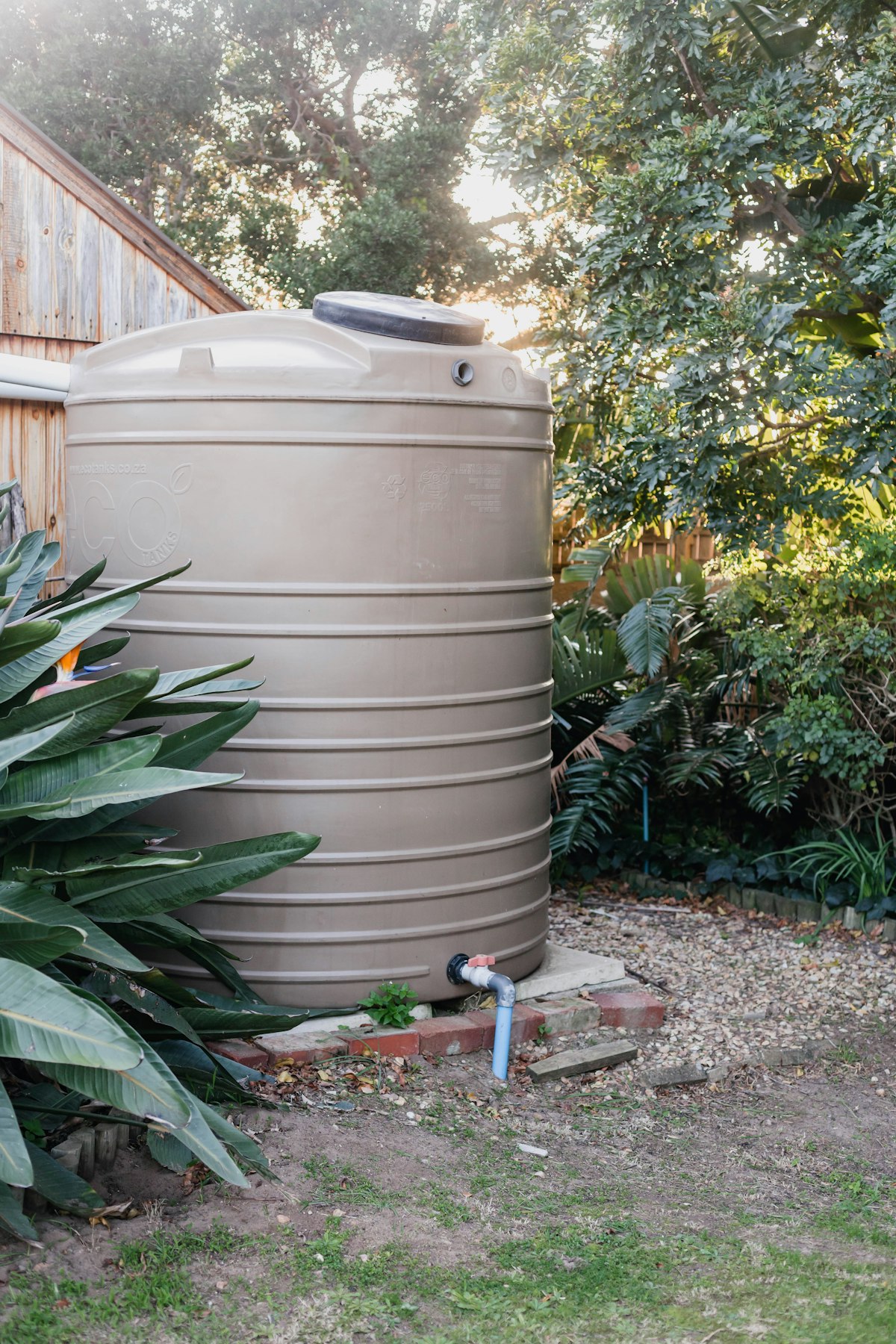
- 2 Collect rainwater A single rain barrel (50–100 gallons) connected to a downspout captures enough water for most watering needs through spring and early summer. Rainwater is also better for acid-loving plants like azaleas and blueberries than treated tap water.
- 3 Mulch your beds A 2–4 inch layer of organic mulch (wood chips, garden compost, straw) around plants retains moisture, suppresses weeds, regulates soil temperature, and feeds soil organisms as it breaks down. One application per year does the work of multiple weedings and waterings.
- 4 Plant for pollinators Lavender, borage, single-flowered dahlias, and native wildflowers provide nectar and pollen for bees and butterflies. A small patch of unmown grass supports ground-nesting bees and countless other invertebrates.
- 5 Use companion planting Marigolds deter aphids and whitefly. Nasturtiums act as sacrificial trap crops for aphids. Garlic planted among roses deters aphids. Strategic companion planting reduces the need for most pesticide interventions.
- 6 Leave some wildness A log pile, a patch of native wildflowers, and a small pond create wildlife habitat that brings in natural pest predators — ladybugs, lacewings, ground beetles, and birds — that do the pest control work for you.
- 7 Buy peat-free and local Most major compost brands now produce peat-free alternatives. Locally produced compost (from your municipal green-waste program, if available) has the lowest transport footprint. An OMRI-listed growing media guarantees peat-free, responsibly sourced ingredients that meet organic standards.
Also see: Pets swaps guide →
Common questions
FAQ
Everything readers ask us most about making the garden switch.
Get matched
Want personalised picks?
Answer 7 questions → we match you to the best swaps for your home.