
Once you've moved past single-use plastic bags and containers, the next question is which reusable material to actually invest in. Glass, silicone, and stainless steel each solve a different problem — there isn't one correct answer, but there is a correct answer for each specific use case.
Glass: Best for Reheating and Long-Term Storage
Glass is non-reactive, meaning it won't absorb odors, stain from tomato sauce or turmeric, or leach anything into acidic foods over time. It's microwave and oven safe (check for the specific container's temperature rating), which makes it the default choice for leftovers you'll reheat directly in the container.
Downsides: heavier than the alternatives, and it can shatter if dropped on a hard floor — a real consideration for households with young kids or a lot of counter-to-floor kitchen traffic.
Silicone: Best for Weight and Flexible Storage
Silicone containers and reusable bags (like the collapsible pouch style) are lightweight, often flatten or fold for compact storage, and are microwave safe. They're the best option for packed lunches, travel, and anyone prioritizing cabinet space.
Downsides: silicone can develop a slightly tacky surface after a few years of heavy use, and it's more prone to retaining strong odors (garlic, curry, turmeric) than glass or steel. It's also technically still a synthetic material, even though food-grade silicone is considered non-toxic and doesn't leach the way older plastics do.
Stainless Steel: Best for Durability, Freezing, and Travel
Steel is the most physically durable of the three — it won't shatter, crack, or degrade with age the way silicone can. It's excellent for freezer storage (no risk of glass cracking from expansion) and for travel or lunch boxes where durability matters more than reheating convenience.
Downsides: not microwave-safe at all, and typically more expensive upfront than comparable glass or silicone containers.
Head-to-Head Comparison
| Feature | Glass | Silicone | Steel |
|---|---|---|---|
| Microwave safe | Yes | Yes | No |
| Weight | Heaviest | Lightest | Moderate |
| Break/dent risk | Can shatter | Very low | Can dent, won't shatter |
| Best for | Reheating, pantry storage | Lunches, travel, tight cabinets | Freezer, durability, travel |
| Realistic lifespan | Very long | Moderate | Very long |
Verdict: Build a Mixed Set
Most zero-waste kitchens end up with a mix rather than committing to one material: glass for everyday leftovers and reheating, a few silicone pieces for lunches and travel, and one or two steel containers for freezer storage. If you're just starting out and buying one type first, glass covers the widest range of everyday use cases.
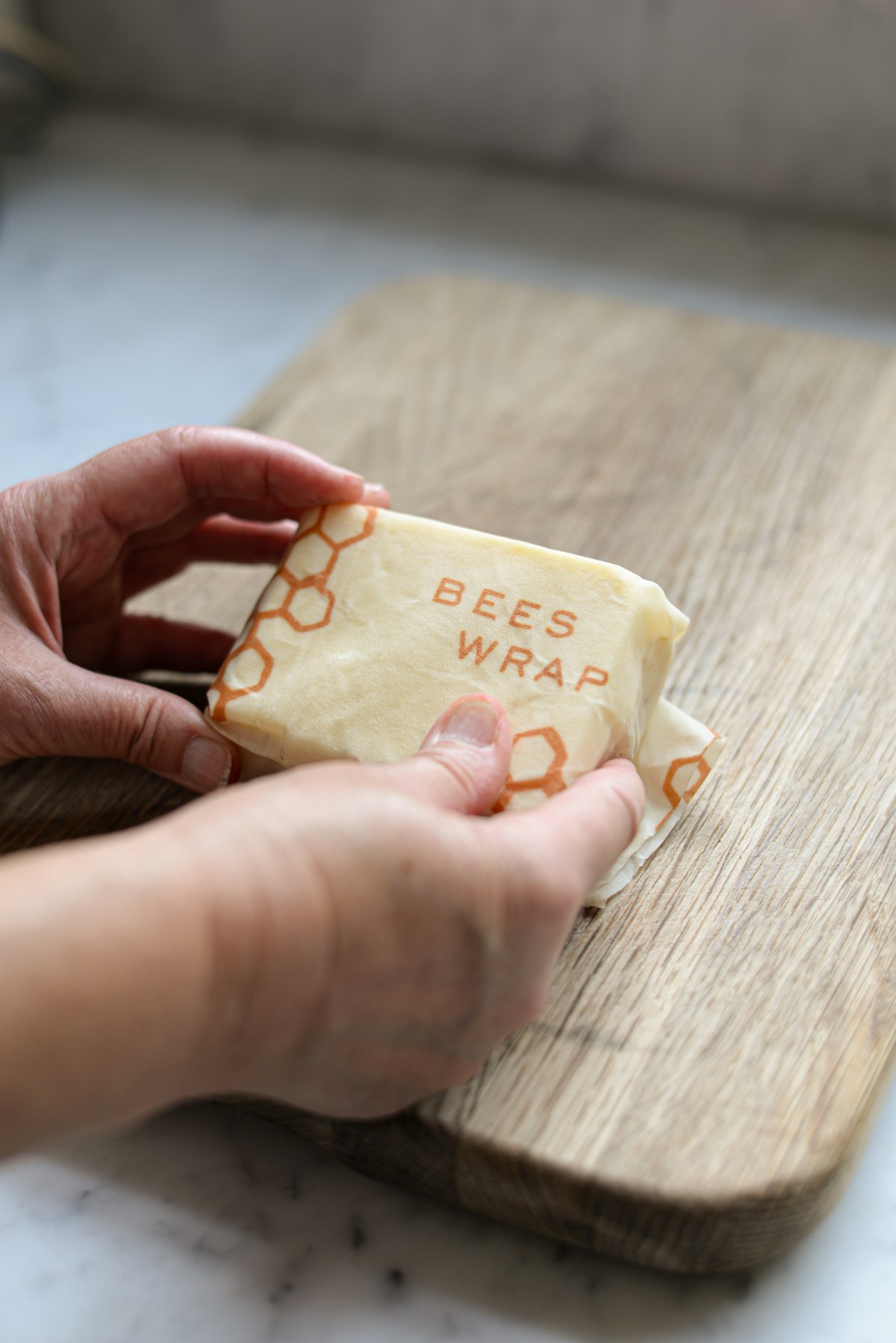
This pairs naturally with bulk shopping — see our bulk bin starter kit guide for what to store your bulk purchases in, and our existing beeswax wraps guide for shorter-term food covering that doesn't require a rigid container at all.


Reviews & Comments
Loading...