
Blue light glasses went from a niche product to something sold in every pharmacy and office supply store in the span of a few years. The premise sounds reasonable enough — screens emit blue light, blue light is bad for your eyes, filter it out. Each part of that chain turns out to be shakier than the marketing suggests.
What the Controlled Trials Actually Found
A randomized controlled trial published in the American Journal of Ophthalmology compared people wearing blue light filtering glasses against people wearing plain clear lenses during extended screen time, and found no significant difference in reported eye strain between the two groups. A Cochrane systematic review — generally considered a high bar for evidence synthesis — looked across the available randomized trials on blue light filtering lenses and reached a similarly unconvinced conclusion.
The Premise Itself Is in Question
Beyond the strain studies, there's a more basic problem: the American Academy of Ophthalmology has stated plainly that digital screens do not emit blue light at levels considered harmful to the eyes. If that's accurate, the entire "filter out the harmful blue light" pitch is addressing a risk that isn't really there at the level phones and monitors produce it.
So Why Do Some People Swear They Help?
This is a real, fair question, and it's not that people are imagining their symptoms. One study found a large majority of long-term wearers reported improvement in at least one symptom — but that was self-reported, not measured against a comparison group, which leaves plenty of room for other explanations: simply taking more breaks because you bought new glasses, a placebo-adjacent expectation effect, or, more mundanely, that the person's actual issue (dry eyes, an outdated prescription) happened to improve for unrelated reasons around the same time.
What Actually Moves the Needle on Eye Strain
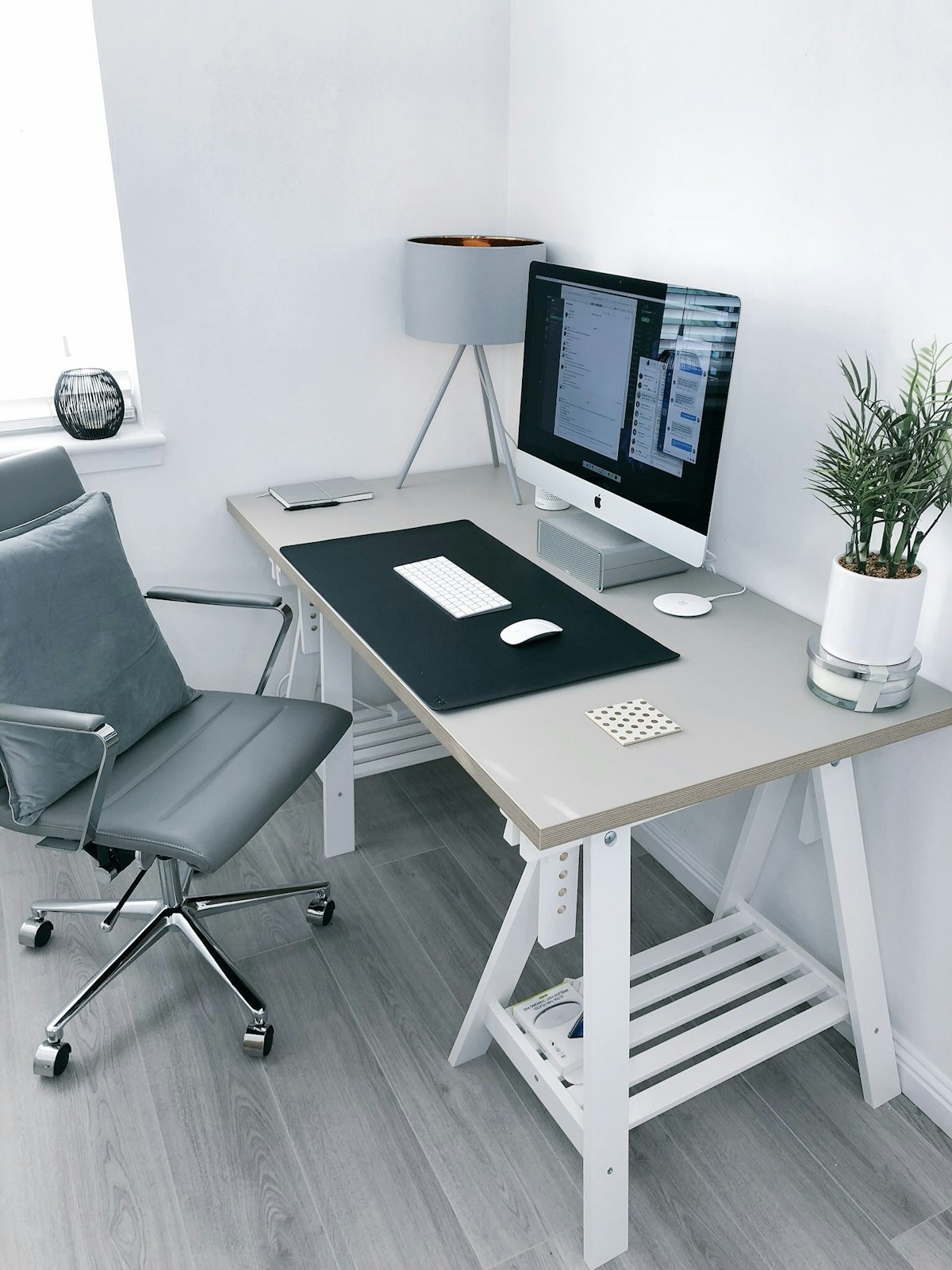
The more consistently supported fixes are less exciting than a pair of glasses: the 20-20-20 rule (every 20 minutes, look at something 20 feet away for 20 seconds), addressing dry eyes directly, checking that your glasses prescription is current, and making sure your screen distance and angle aren't forcing your eyes to work harder than necessary.
The Bottom Line
If you already own blue light glasses and like them, there's no real harm in continuing to wear them. But the evidence doesn't support buying a pair specifically expecting a meaningful eye strain fix — the controlled research consistently comes up short on that specific claim, and the more boring fixes (blinking more, taking breaks, checking your prescription) have better evidence behind them.
Reviews & Comments
Loading...