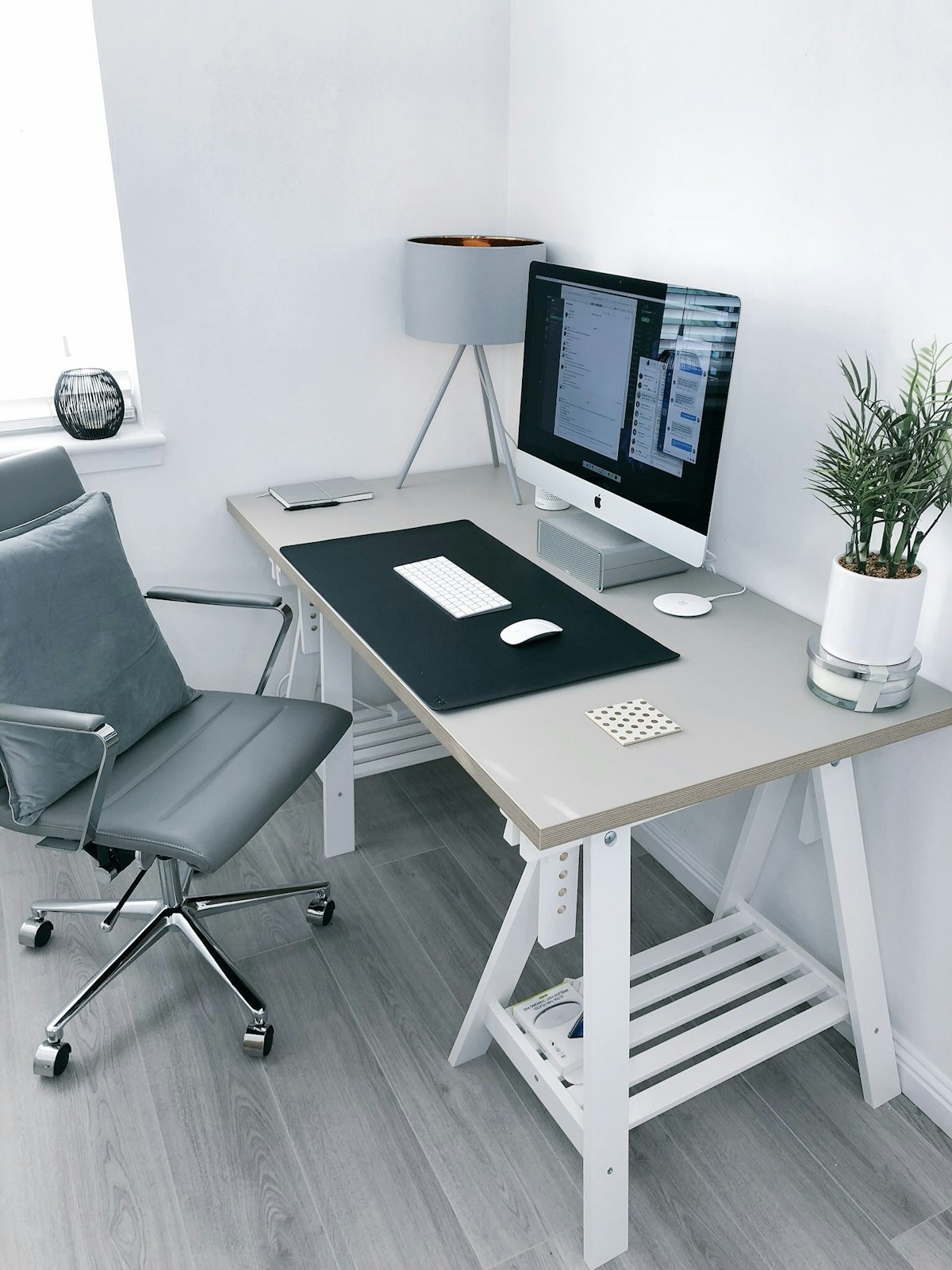
Ergonomic Setup

Office Chairs Made From Ocean-Bound Plastic: Are They Actually Comfortable?

🌿 SwapSages · ·5 min read
Office Chairs Made From Ocean-Bound Plastic: Are They Actually Comfortable?
💡

TL;DR

Ocean-bound plastic chairs use recycled material in structural components (mesh, shell) without compromising the ergonomic engineering, which is independent of material sourcing — comfort is genuinely comparable to conventional chairs at similar price points.

Are ocean plastic office chairs actually comfortable for full workdays?

Ocean-bound plastic office chairs use recycled polyethylene terephthalate (rPET), typically sourced from coastal areas at risk of ocean plastic pollution, molded into the chair's structural components (usually the back mesh or shell, not the cushioning or mechanisms). Comfort and ergonomic adjustability are comparable to conventional chairs at similar price points, since the recycled material affects sourcing, not the ergonomic engineering.

Ocean-bound plastic furniture has become a recognizable sustainability marketing angle, but the actual question for an office chair is simpler: does it hold up for 8 hours a day? We tested one for 3 weeks of full workdays.

What's Actually Made From Ocean Plastic

Typically the mesh back or outer shell — molded from recycled PET plastic, often sourced from coastal cleanup programs — not the cushioning, foam, or mechanical adjustment components. Those parts are generally made from standard materials regardless of the chair's eco marketing, which is worth knowing so expectations are set correctly.

Does the Material Affect Comfort or Ergonomics?

No — ergonomic adjustability (lumbar support, armrest height, tilt tension) comes from the chair's mechanical engineering, which is independent of whether the shell is virgin or recycled plastic. In our 3-week test, adjustability and support matched conventional office chairs at a comparable price point.

3-Week Test Results

FactorResult
Lumbar support over 8-hour daysComparable to conventional mesh-back chairs
Mesh durability/stretchNo visible sagging after 3 weeks
Adjustability rangeStandard — armrest, height, tilt all functional

How to Verify the Sourcing Claim Is Real

Look for a specific claim — a weight of recycled material, or a "made from X recycled bottles" figure — rather than a vague "ocean plastic" label with no quantification. Specificity is a reasonable signal of a genuine, verifiable claim rather than marketing language borrowing the phrase without substance.

Verdict

Comfort and ergonomics were genuinely unaffected by the recycled material in our test — the sourcing story doesn't come at a comfort cost. Prioritize the same things you would with any office chair (adjustability range, lumbar support quality, warranty) and treat the ocean-plastic sourcing as a real bonus, not the deciding factor on its own.

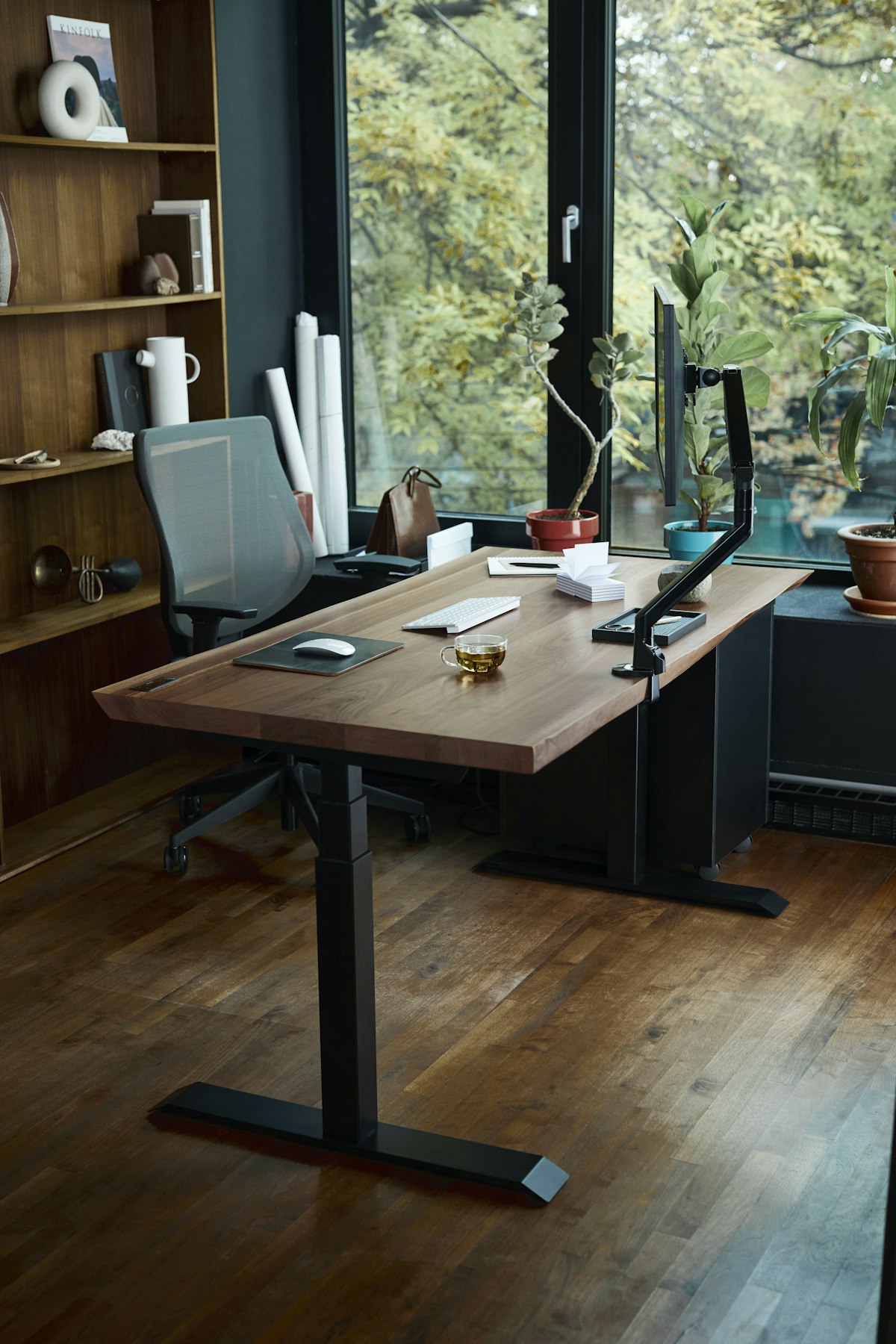
Related Reading

Frequently Asked Questions

What part of an office chair is actually made from ocean plastic?

Typically the mesh back or outer shell, molded from recycled PET plastic collected from coastal areas — not the cushioning, foam, or mechanical adjustment components, which are usually made from standard materials regardless of the chair's eco marketing.

Does using recycled plastic affect ergonomic quality?

No — ergonomic adjustability (lumbar support, armrest height, tilt tension) is a function of the chair's mechanical engineering, which is independent of whether the shell material is virgin or recycled plastic. In our test, adjustability matched conventional chairs at a similar price point.

How much ocean plastic does one chair actually use?

This varies by manufacturer and isn't always disclosed in a standardized way — check for a specific weight or bottle-count claim (e.g., 'made from X recycled bottles') rather than a vague 'ocean plastic' label, since the specificity is a good signal of a genuine, verifiable sourcing claim versus marketing language.