Green Infrastructure

Portable Solar Panels for Off-Grid Work Sessions: Are They Actually Practical?

🌿 SwapSages · ·5 min read
Portable Solar Panels for Off-Grid Work Sessions: Are They Actually Practical?
💡

TL;DR

A laptop alone can run off a portable solar panel in direct sun without a battery. Adding a router and monitor pushes combined draw to 80-150W, which needs a 200W+ panel paired with battery storage to handle cloud cover — not a panel-only setup.

Can a portable solar panel actually power a full off-grid work setup for a day?

Running a full off-grid work setup — laptop, WiFi router, and a small monitor — typically draws 80-150W combined, which requires a 200W+ solar panel paired with a battery bank to smooth out cloud cover and store excess for continuous use, not just a panel plugged directly into devices. A panel alone, without battery storage, works only for a laptop by itself in consistent direct sun; adding a router and monitor makes a battery-backed system necessary for a reliable full workday.

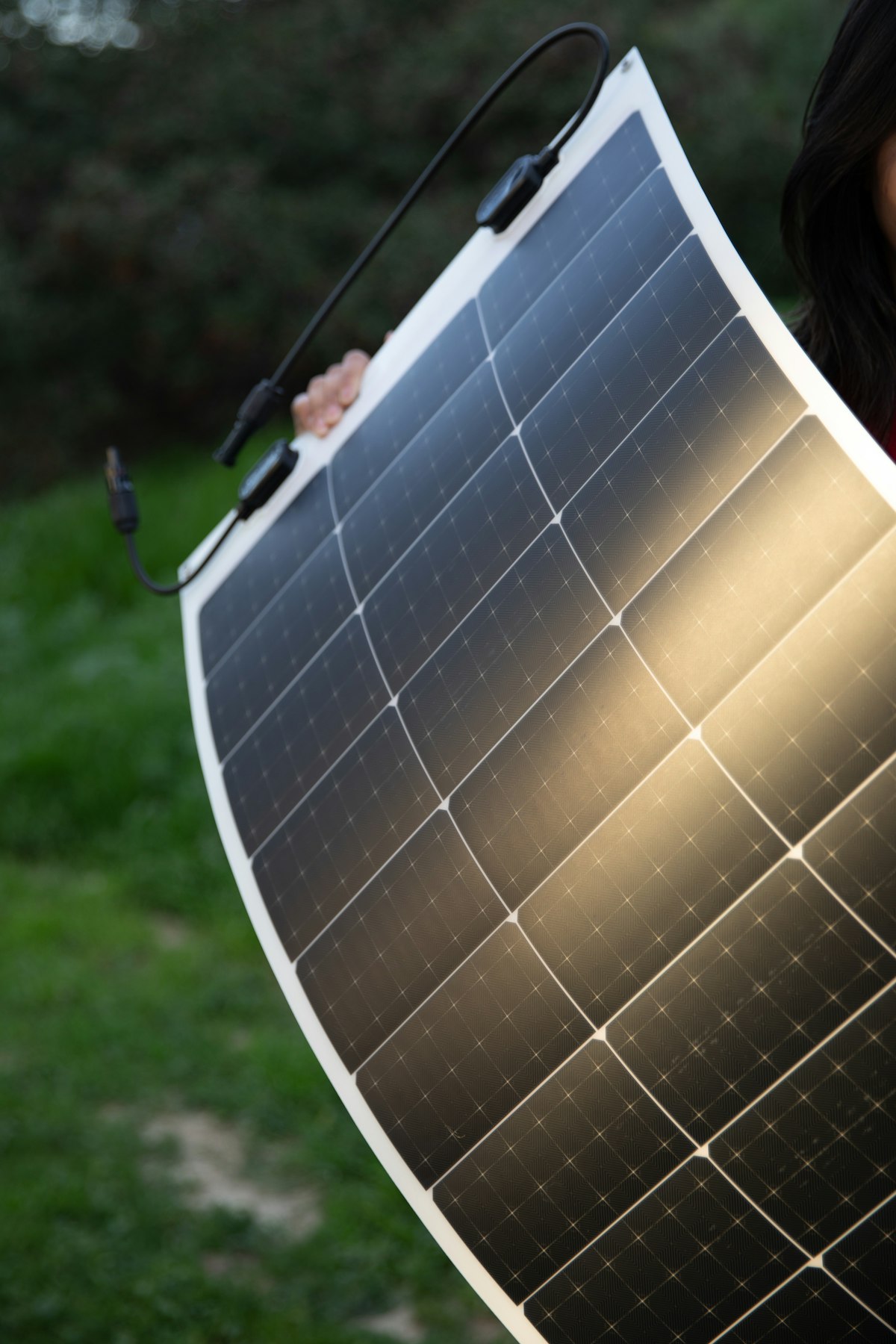
Off-grid remote work content tends to show a laptop and a solar panel with no further explanation. The moment you add a router and a monitor — which most real work setups need — the power budget gets more demanding fast.

The Actual Power Budget

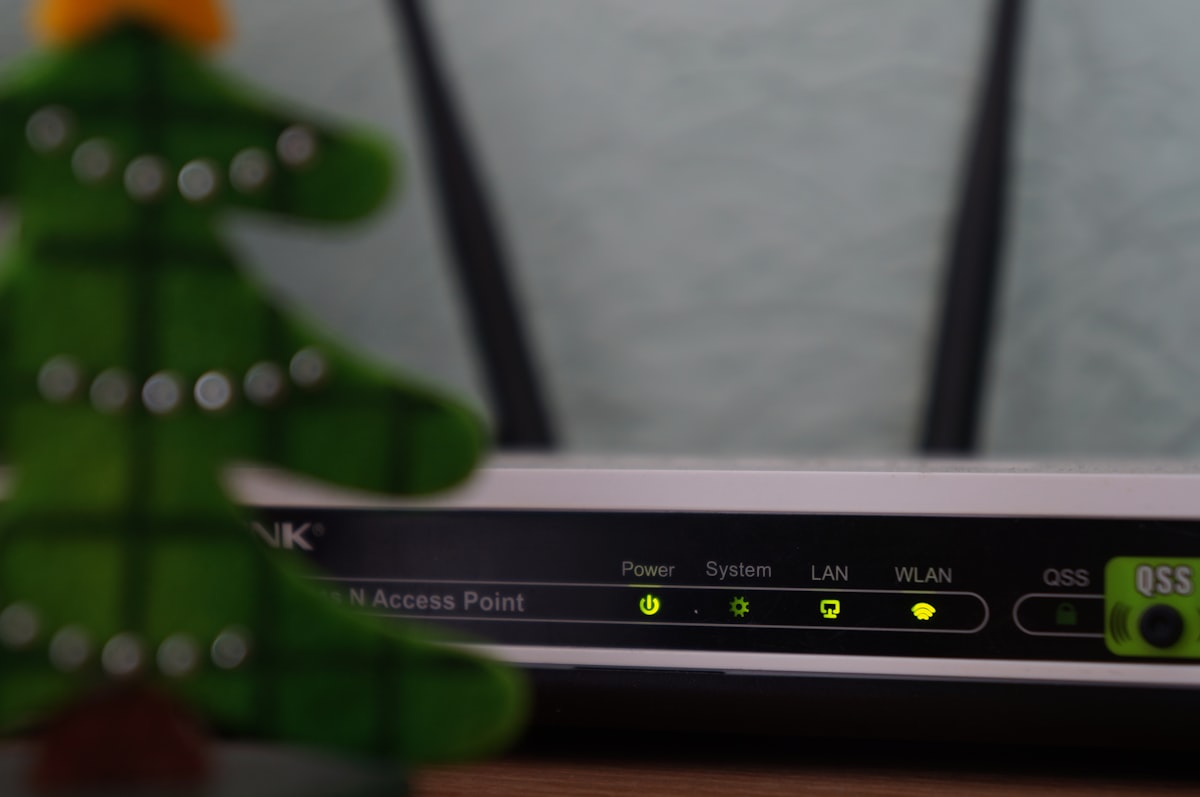
A laptop alone draws roughly 45-90W under active use. Add a WiFi router (typically 5-15W, but continuous, even idle) and a small portable monitor (15-30W), and a full setup lands around 80-150W combined — for the entire workday, not just peak moments.

Why a Panel Alone Usually Isn't Enough

A solar panel only produces power while it's receiving direct light. Any cloud cover, shade, or angle mismatch causes an immediate drop, with nothing to smooth the gap if devices are plugged straight into the panel. This works acceptably for a laptop by itself in consistent sun, but a router that needs continuous, uninterrupted power is a much less forgiving load for a panel-only setup.

What Actually Makes This Practical: Battery Storage

Pairing the panel with a battery bank changes the picture — the panel charges the battery throughout the day, and devices draw from the battery's stored, steady output rather than directly from fluctuating sunlight. A 200W+ panel paired with a battery bank sized for at least a full day's draw (roughly 150-300Wh depending on setup) is a realistic minimum for a laptop, router, and monitor running reliably through a full workday, cloud cover included.

Verdict

A panel-only setup is fine for a laptop by itself in good sun. For a full off-grid work setup with a router and monitor, budget for a 200W+ panel plus a battery bank — skipping the battery is the most common reason these setups fail in practice.

Related Reading

Frequently Asked Questions

Can a solar panel run a WiFi router as well as a laptop?

Yes, but routers draw continuous power even when idle, so a router adds meaningful, non-optional load to the total power budget — unlike a laptop, which can be worked on with breaks that reduce average draw.

Do I need a battery, or can I plug devices directly into the solar panel?

Direct-to-panel works for a single laptop in consistent, unbroken sun, but any cloud cover causes an immediate power drop with no buffer. A battery bank stores excess power and smooths out these gaps, which is necessary for a reliable full workday, especially with multiple devices.

How big a panel is needed for a full off-grid work setup?

For a laptop, router, and small monitor combined (roughly 80-150W draw), a 200W+ panel paired with a battery bank is a realistic minimum for a reliable, full workday setup.