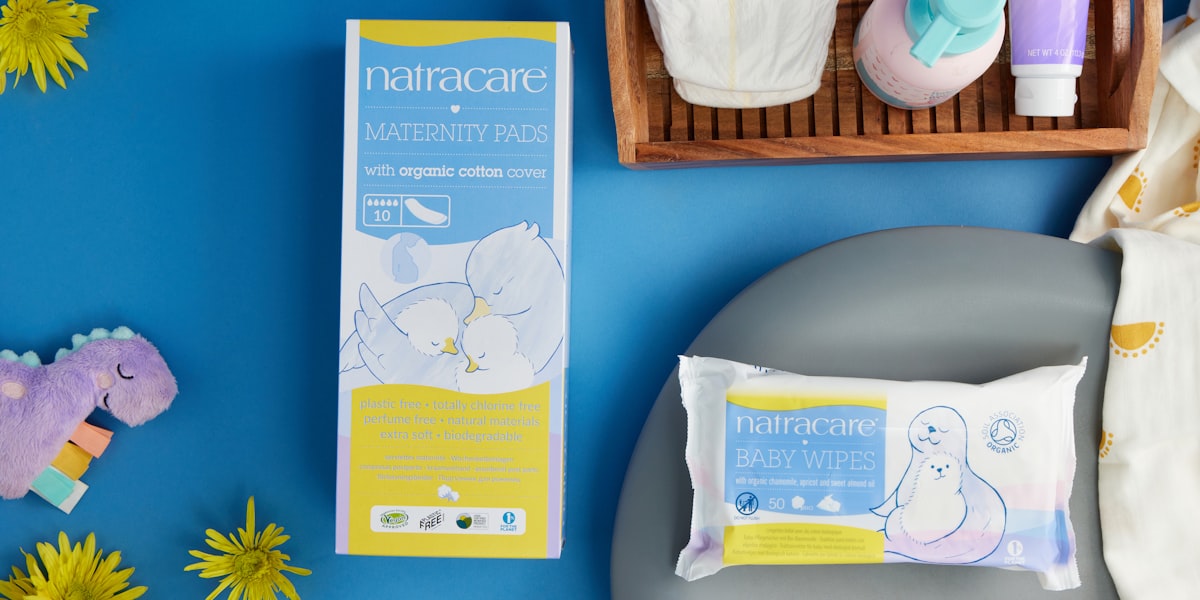
TL;DR: Cloth wipes cost about the same as bulk budget disposables in year one, then pull ahead every year after — saving roughly $10–15 a year against store-brand wipes and $40–60 a year against name brands like Pampers or Huggies once you already own the cloths.
What Disposable Wipes Actually Cost
Diaper-change math is boring but the numbers matter: a typical infant to toddler gets wiped around 7 times a day between diaper changes and face-and-hands cleanup, which works out to roughly 2,555 wipes over a full year. Multiply that by real per-wipe prices and the range is wide:
- Bulk store-brand (Kirkland Signature, Up&Up, Amazon Elements) — around $0.020–$0.024 per wipe when bought in 800–900 count cases → roughly $51–61/year
- Name-brand (Pampers Sensitive, Huggies Natural Care) — around $0.030–$0.038 per wipe at typical Subscribe & Save pricing → roughly $77–97/year
That's the real spread most parents are choosing between, and it's a bigger gap than the "cloth vs disposable" framing usually admits.
What Reusable Wipes Really Cost — Including the Laundry You'll Forget to Count
The upfront cost of cloth wipes is easy to price: two 25-count packs of cotton flannel wipes (OsoCozy, Bibado, or similar) run about $16–18 each, so figure $34 to have enough in rotation between washes. A small squeeze bottle of castile soap or a store-bought wipe solution adds about $8/year in ongoing cost — most parents just use plain water for pee diapers and a drop of soap for the rest.
The part people consistently leave out of the math is laundry, and it genuinely depends on your setup:
- If you're already cloth diapering or doing frequent baby laundry loads (onesies, burp cloths, bibs), wipes go into a wash you're running anyway. Incremental cost: close to $0.
- If you're not, cloth wipes usually need a dedicated wash roughly once a week to avoid staining and odor buildup. At a realistic $0.45–$0.55 per load for water, energy, and detergent, that's about $26/year in dedicated laundry.
So year-one reusable cost lands somewhere between $42 (piggybacking on existing laundry) and $68 (dedicated loads). After year one, the wipes themselves are mostly a sunk cost — you're just replacing a worn-out quarter of the stack annually (~$7–9) plus solution and laundry.
The Year-by-Year Math, Honestly
Here's where it actually shakes out:
- Vs. bulk store-brand disposables: reusable can cost slightly more in year one if you need dedicated laundry loads, then saves roughly $10–15/year every year after. It's not a dramatic win — it's a slow, real one.
- Vs. name-brand disposables: reusable wins from month one and saves $40–60/year, every year, for as long as you're changing diapers.
The single biggest lever isn't the wipes — it's whether the laundry is "free" because you're already running loads for cloth diapers or baby clothes. Parents doing full-time cloth diapering see the best economics on wipes too, since the marginal cost of adding a stack of wipes to an existing wash is nearly zero.
The Waste Side Nobody Argues Against
Cost aside, the waste case for cloth is less debatable. Most disposable wipes — including many labeled "sensitive" or "natural" — are made from a blended nonwoven fabric that includes polyester or polypropylene fibers, not pure plant fiber, which is why they don't break down like toilet paper. Wastewater utilities and the FTC have pushed back for years on wipes marketed as "flushable," because they don't disintegrate in the pipe the way the label implies and contribute to the clogged-pipe and pump-station buildups utilities call "fatbergs." Whether or not a wipe claims to be flushable, it belongs in the trash, and a year's worth of disposable wipes — 2,555 individual pieces — is a genuinely large volume of landfill-bound material for one child, most of it plastic-blend fabric that will outlast the diaper years many times over.
There's also an ingredient angle worth a second look. EWG's Skin Deep database flags fragrance and certain preservatives (like methylisothiazolinone, used in some budget wipe formulas) as common triggers for the mild rashes that show up on sensitive newborn skin. Cloth wipes with plain water sidestep that question entirely, which is part of why pediatric dermatologists frequently suggest a plain-water cloth trial for babies who react to every disposable brand a parent tries.
Where Disposables Still Win
None of this makes disposables the wrong call in every situation. Most daycare centers require parents to send disposable wipes, travel makes a wet-bag rotation genuinely impractical, and the newborn stretch — when everyone is running on two hours of broken sleep — is not the moment to add a load of hand-washing to your day. The families who actually stick with reusable wipes long-term are almost always running a hybrid system: cloth at home where the laundry is easy, disposables in the diaper bag and at daycare. That split captures most of the savings and nearly all of the waste reduction without requiring anyone to be a purist about it.
Bottom Line
If you're already washing cloth diapers or doing frequent baby laundry, cloth wipes are close to a free upgrade — better for sensitive skin, less landfill waste, and a real (if modest) cost saving. If you're buying wipes standalone and comparing against a name-brand disposable, the savings are large enough — $40–60 a year — to be worth the extra step for most families. The only scenario where disposables clearly win on cost is bulk store-brand wipes plus a household that isn't doing baby laundry often enough to piggyback the wash — and even then, the gap is small enough that it comes down to which trade-off you'd rather make.


Reviews & Comments
Loading...