Eco-Friendly Baby Products: The Complete Sustainable Parent's Guide
Having a baby is one of the most impactful moments to make sustainable choices. A conventionally diapered baby will go through an estimated 4,000–6,000 disposable diapers before potty training, most of which will sit in a landfill for centuries. The encouraging news is that eco baby products have come a long way: modern cloth diapers are easier and more effective than ever, natural baby skincare has shed its 'crunchy' stigma and now performs well, and sustainable feeding accessories are widely available at mainstream prices. This guide covers the best cloth diapers, eco wipes, natural baby lotions, organic cotton clothing, and sustainable feeding products, along with what to look for on labels and how to weigh cost against convenience.
Top-Rated Baby & Kids Products
Not sure? Take the quiz →
Esembly Cloth Diaper System
Esembly
Esembly's two-part Inner/Outer system uses unbleached organic cotton diapers under a waterproof cover, aiming to make cloth diapering closer to disposable-level convenience. It meaningfully cuts landfill diaper waste, but it only pays off if you commit to the daily wash routine.
- ✓Unbleached organic cotton Inners with a reusable waterproof Outer that lasts multiple sizes
- ✓Diverts thousands of disposable diapers per baby from landfill over time
- ✓60-day try-it kit with a refund option lowers the risk of switching

Lovevery Play Kit
Lovevery
Lovevery ships stage-based Montessori-inspired play kits made largely from wood and natural materials, matched to a baby or toddler's developmental window. The materials are a real step up from cheap plastic toys, but it's still a recurring subscription that keeps adding more toys to the house.
- ✓Toys are made mostly from wood, organic cotton, and other natural materials rather than single-use plastic
- ✓Each kit is paired with research-backed activity guides for that developmental stage
- ✓Durable enough to be resold, handed down, or passed to a second child
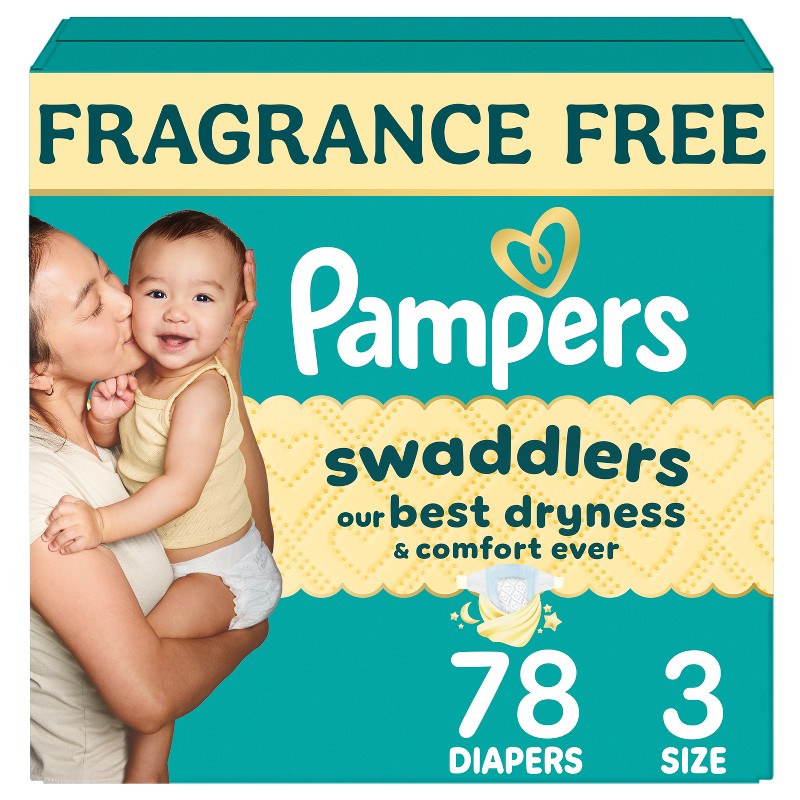
Pampers Swaddlers Diapers
Pampers
Pampers Swaddlers is the best-selling disposable diaper in the US, and for most parents it's simply the default choice — reliable, absorbent, and sold everywhere. Disposable diapers are widely estimated to take around 500 years to break down in a landfill (an extrapolation from polymer degradation rates, not a directly measured outcome), and the average family spends roughly $840 a year on them.
- ✓No washing required — zero extra laundry loads for a busy household
- ✓Extremely absorbent, reliable overnight performance
- ✓Available everywhere, including every US pharmacy and grocery store
Latest Baby & Kids Articles


The case for switching
Why Eco Baby Products Are Worth It
- ✓ A single conventional disposable diaper takes 500 years to decompose. The average baby uses 4,000–6,000 diapers. Cloth diapers, even accounting for washing, generally have a lower carbon footprint than disposables when washed in warm or cold water and line-dried.
- ✓ Baby skin is 30% thinner than adult skin and absorbs proportionally more of what you put on it. Conventional baby products often contain synthetic fragrances, parabens, and mineral oils — none of which are suitable for developing skin.
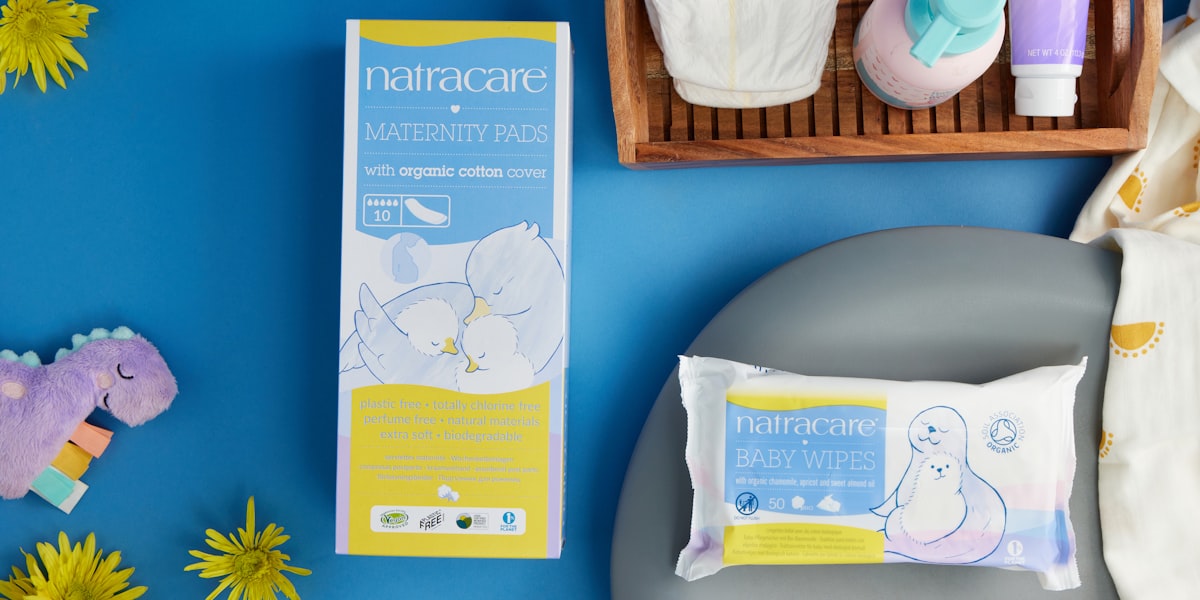
- ✓ Disposable wipes generate significant landfill waste, and even wipes marketed as 'flushable' commonly clog pipes and sewer systems because they don't break down like toilet paper. Reusable cloth wipes used with a water sprayer are gentler on skin and produce zero waste.
- ✓ Organic cotton baby clothing is grown without pesticides that are linked to developmental harm and groundwater contamination. GOTS-certified organic baby clothing ensures the entire supply chain meets these standards.
- ✓ Cost comparison: a full set of cloth diapers costs roughly $200–350 and can cover a baby from birth to potty training, commonly saving $1,500–2,500 compared to disposables. The saving is even larger for a second child using the same diapers.
How to do it
7 Tips for Eco-Friendly Baby Care
- 1 Try cloth diapers part-time first You don't have to go all-in immediately. Using cloth diapers during the day and disposables at night (or when out) still cuts diaper waste significantly. Many communities have diaper libraries or trial/rental programs so you can test different styles before committing.
- 2 Buy secondhand cloth diapers Cloth diapers hold their value well and can be bought secondhand in excellent condition for a fraction of new cost. Local parenting Facebook groups and dedicated cloth-diaper resale communities have large secondhand markets.
- 3 Keep baby skincare minimal Newborn skin needs very little — warm water for washing and a single unfragranced, natural oil (coconut, sunflower) for dry patches covers most needs. Fewer products means less exposure to potential irritants and less plastic.
- 4 Make cloth wipe solution Wet cloth wipes with a solution of 1 cup warm water, 1 tsp baby oil, 1 tsp mild baby wash. Store dry cloths and spray solution on before use, or store pre-wetted in a sealed container for up to 3 days.
- 5 Choose GOTS-certified clothing Global Organic Textile Standard (GOTS) certification guarantees organic fiber and ethical manufacturing. Look for it on baby clothing labels — particularly important for items worn against sensitive newborn skin.
- 6 Buy secondhand and accept hand-me-downs Babies outgrow clothes in weeks. Secondhand baby clothing is almost always in excellent condition and costs a fraction of new. Local parent groups and thrift stores are excellent sources.
- 7 Invest in multi-use products A baby bouncer, nursing pillow, and play mat that serve multiple purposes reduce the total number of items bought new. Borrow what you can and buy only what will get heavy use.
Also see: Personal Care swaps guide →
Common questions
FAQ
Everything readers ask us most about making the baby & kids switch.
Get matched
Want personalised picks?
Answer 7 questions → we match you to the best swaps for your home.