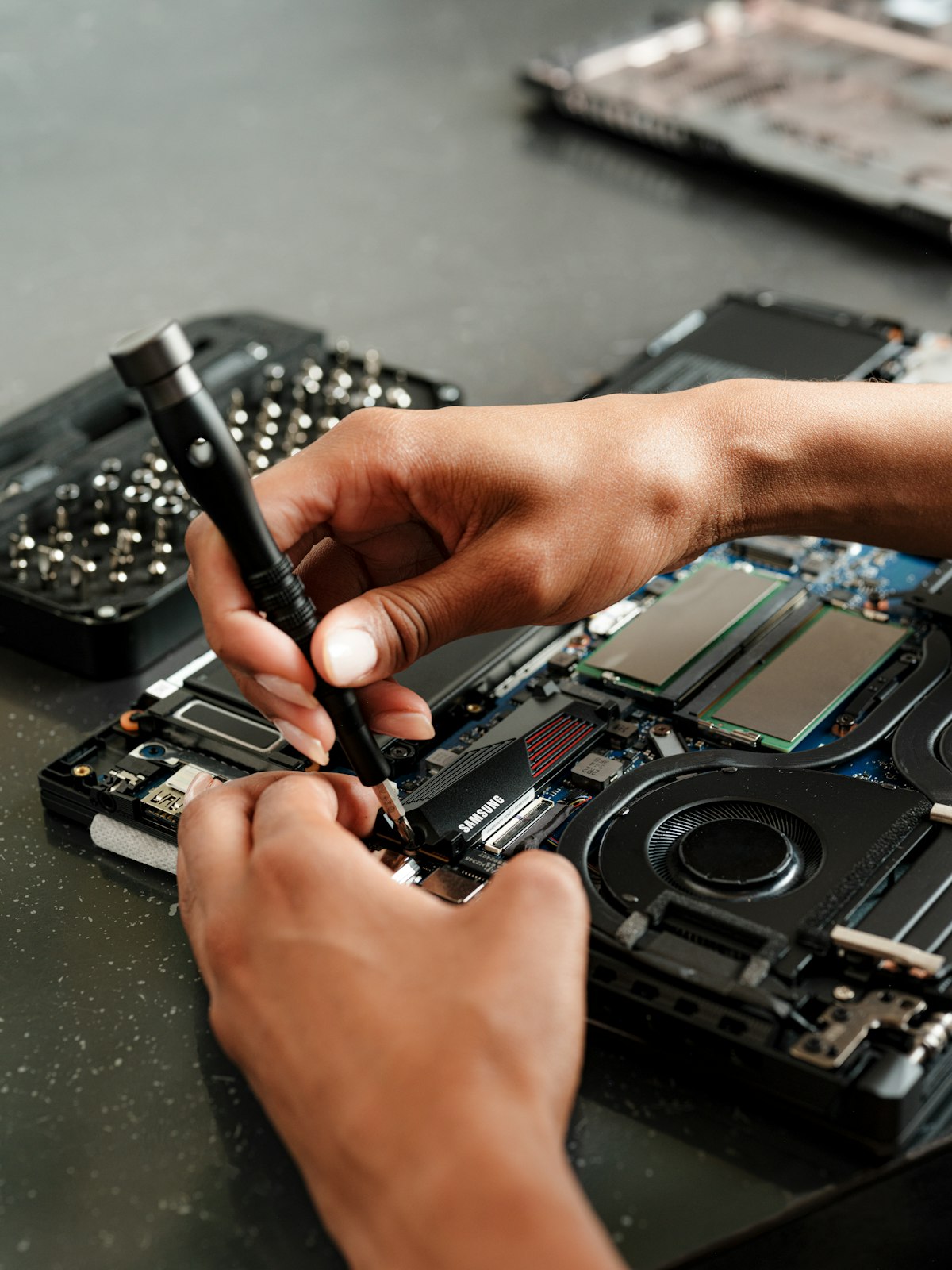
"Right to repair" spent years as an advocacy slogan before it became something with actual legal teeth. It now has teeth in a meaningful number of US states, and the specifics of what changed are more interesting than the headline.
What the Law Actually Requires
At its core, right to repair legislation requires manufacturers of consumer electronics — laptops, phones, and similar devices — to make the same parts, tools, and repair documentation available to independent repair shops and individual device owners that were previously reserved for the manufacturer's own authorized repair network. Before these laws, getting a genuine replacement part or official repair manual for many devices was effectively impossible outside official channels, which pushed people toward "just buy a new one" far more often than the actual hardware failure justified.
Which States, and When
A growing list of states have passed right to repair legislation, including New York, California, Minnesota, Oregon, Colorado, and Washington, with more states actively considering similar bills. Timing varies — some of these laws are already in effect, others phase in over the following years, so the practical reality depends on which state you're in and when your specific device falls under the law's scope.
The Loophole the Newest Laws Are Closing: Parts Pairing
Early right to repair laws had a real gap: a manufacturer could technically sell you a genuine replacement part, while software on the device checked whether that specific part's serial number was "authorized" and disabled full functionality if it wasn't — even with an authentic, manufacturer-made component. This is called parts pairing, and it let companies comply with the letter of earlier laws while still functionally blocking independent repair. Newer legislative language specifically prohibits this practice, along with requiring that repair tools for digitally-locked devices work offline, so repairs can't be blocked simply because a manufacturer's authorization server is down or unreachable.
What This Doesn't Cover
Coverage generally applies above a certain device price threshold, commonly devices over $50, with specifics varying by state. It's not a blanket right to repair literally anything — the scope and exemptions are worth checking for your specific state and device category before assuming a repair is legally guaranteed.
What This Actually Means for Your Next Laptop
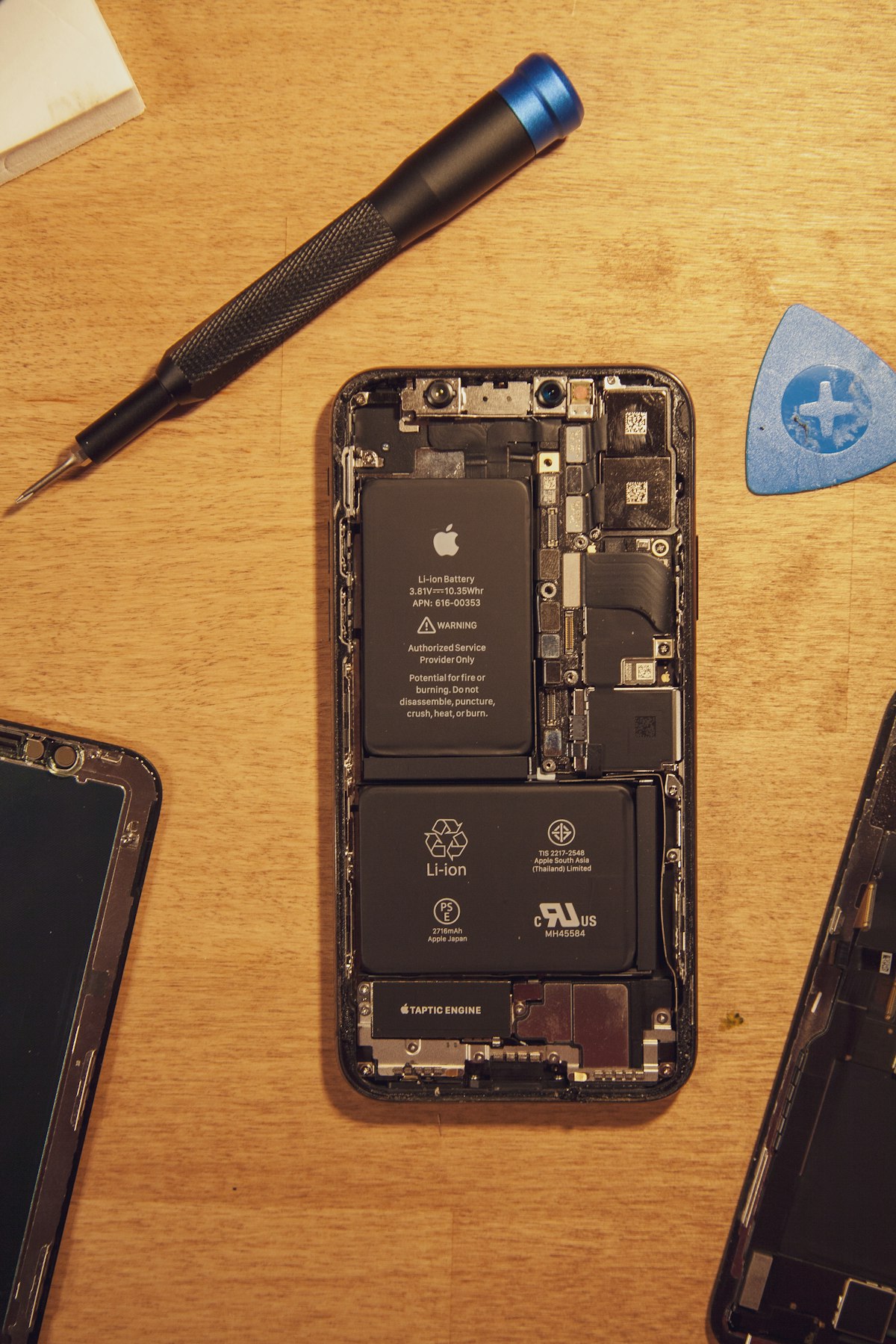
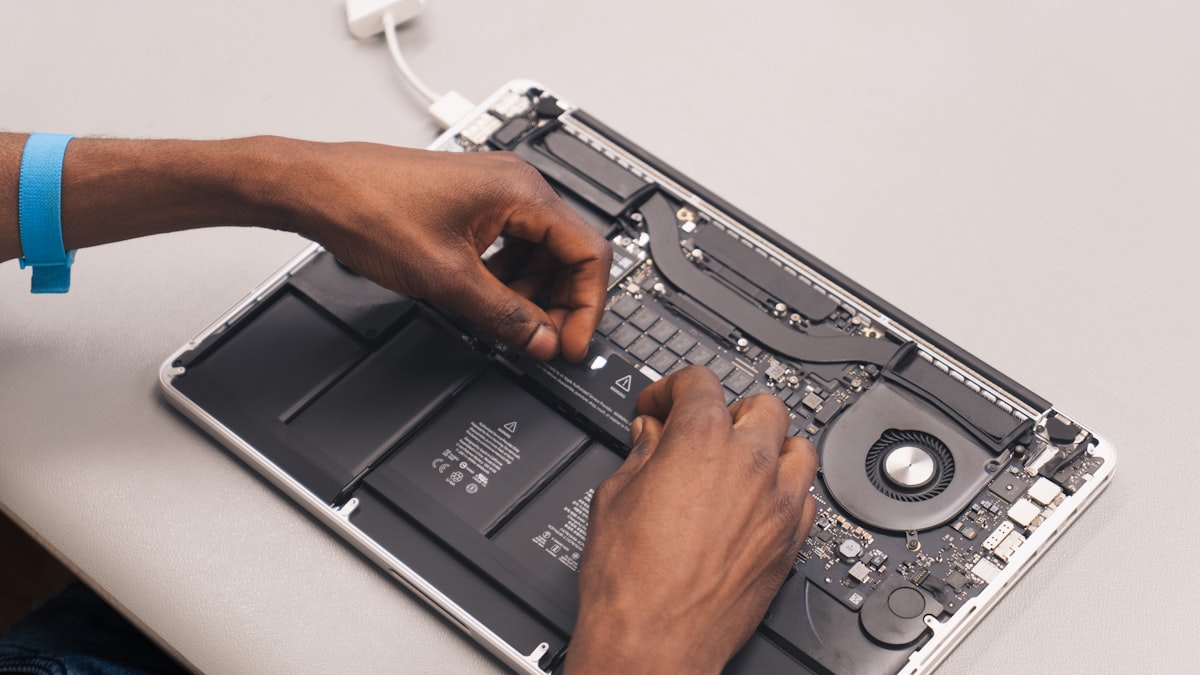
In states with these laws in effect, a broken screen, a dead battery, or a failed keyboard is more likely to be a repair than a replacement decision — genuine parts and documentation are now legally required to be available outside the manufacturer's own repair network. That's a meaningful shift for both cost and e-waste, and it's worth checking your specific device and state before assuming a repair isn't possible.
Reviews & Comments
Loading...