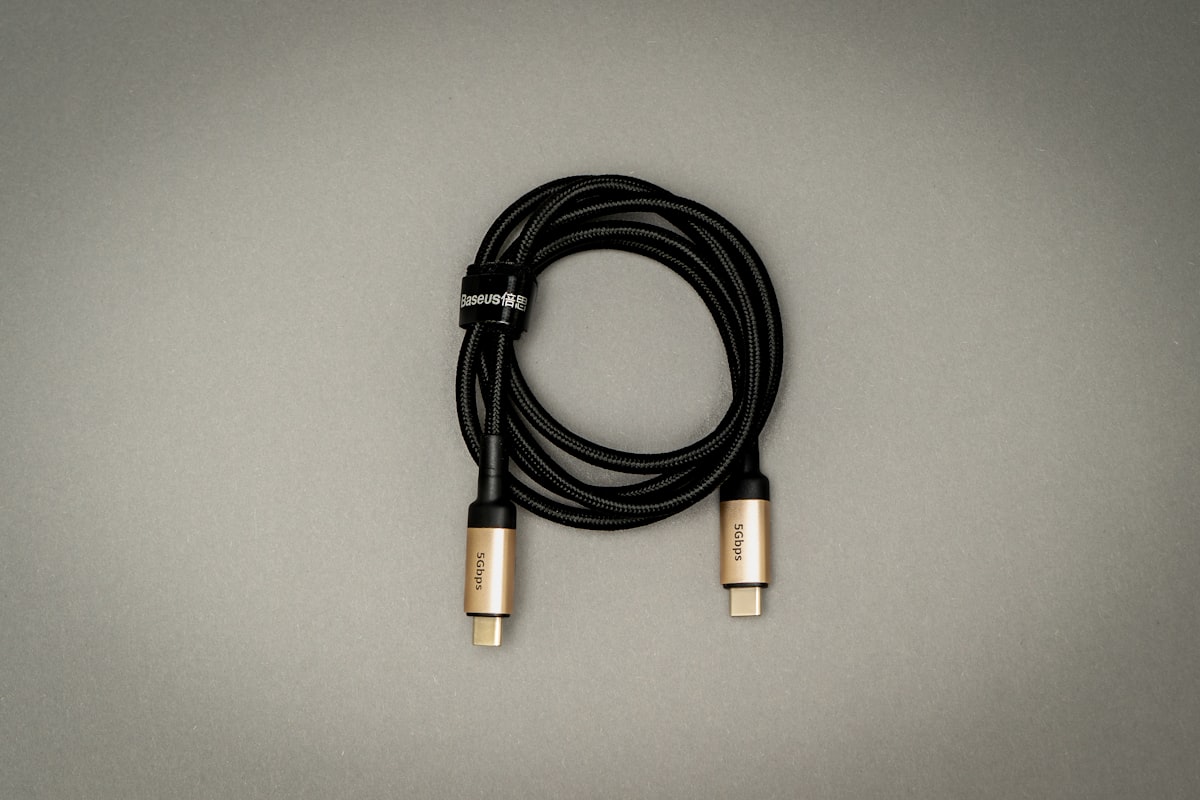
The EU's common charger law gets talked about mostly as a consumer convenience story — one cable for everything. The e-waste reasoning behind it is the more interesting part, and it's backed by a specific number worth sitting with: roughly 11,000 tonnes of e-waste every year, just from chargers.
Why Chargers Specifically Became a Regulatory Target
Every time someone buys a new phone, tablet, or laptop with a proprietary charging connector, there's a good chance the old charger — still functional — ends up in a drawer or, eventually, the trash, while a new one gets purchased and boxed with the new device. Multiply that across the EU's device market and you get a genuinely large, mostly avoidable waste stream, since the charging cable and brick have no reason to become obsolete just because the connector shape changed.
The Actual Timeline
The common charger rules took effect for phones, tablets, cameras, headphones, and similar devices on December 28, 2024. Laptops were given a longer runway, with the requirement kicking in April 28, 2026 — later, likely because laptop charging involves higher power delivery requirements that took longer to standardize under USB-C's Power Delivery spec.
Does Standardization Actually Reduce Waste, or Just Shift It?
The mechanism is fairly direct: when a single charger works across a phone, a tablet, and eventually a laptop, people stop needing (and buying) a separate charger for every device and every upgrade. Existing chargers stay useful for longer, including across device replacements, which is exactly the outcome the regulation is aimed at — extending the usable lifetime of chargers already in circulation rather than generating a new one with every device purchase.
The Consumer Savings Angle
Beyond the waste reduction, standardization is projected to save consumers roughly €250 million a year in unnecessary charger purchases — a secondary effect of the same mechanism, since fewer forced charger purchases means less money spent on redundant hardware.
What This Means If You're Outside the EU
Even outside EU jurisdiction, this kind of regulation tends to shape global product design, since manufacturers generally build one hardware line for international sale rather than maintaining region-specific charging ports. The practical result is that USB-C standardization is likely to show up well beyond the EU's borders, even though the law itself only directly applies there.
Reviews & Comments
Loading...