Sulfate-Free Hair & Body Care: The Complete Sustainable Shower Guide
Shampoo, conditioner, and body wash are three of the most frequently repurchased products in any household, which makes the shower one of the highest-leverage places to cut both plastic waste and questionable ingredients. Sulfates (SLS and SLES) are the harsh detergents responsible for the big lather in conventional formulas, and while they're not universally dangerous, they strip natural oils aggressively enough to irritate sensitive scalps and skin and to fade color-treated hair faster. This guide covers sulfate-free liquid formulas, solid shampoo and conditioner bars, and bar soap for the body — what actually gets your hair and skin clean without the harsh strip, how to navigate the adjustment period when you switch, and which formats make the most sense for different hair types and budgets. We'll also cover the plastic math: switching a household of three from bottled to bar formats alone can eliminate dozens of bottles a year. As with everything on this site, we test for real performance first — sustainability that doesn't clean your hair isn't a swap worth making.
Top-Rated Hair & Body Products
Not sure? Take the quiz →
Ethique Shampoo Bar
Ethique
A concentrated, plastic-free shampoo bar that a B Corp brand claims replaces up to three bottles of liquid shampoo, though it needs a real adjustment period and can leave buildup for some hair types, especially in hard water.
- ✓Completely plastic-free packaging (compostable wrapper), certified vegan and cruelty-free
- ✓Concentrated formula lasts significantly longer per gram than bottled shampoo
- ✓B Corp certified with palm-oil-free sourcing

Kitsch Shampoo Bar
Kitsch
An affordable, widely available shampoo bar free of parabens, sulfates, and silicones, with a 4ocean plastic-recovery tie-in, but it's a cosmetic formula rather than a certified-organic one and results vary a lot by hair type.
- ✓Budget-friendly entry point into bar shampoo compared to premium brands
- ✓Free of parabens, phthalates, silicones, and sulfates; safe for color-treated hair
- ✓Partners with 4ocean to fund plastic removal from oceans and coastlines per bar sold
Latest Hair & Body Articles


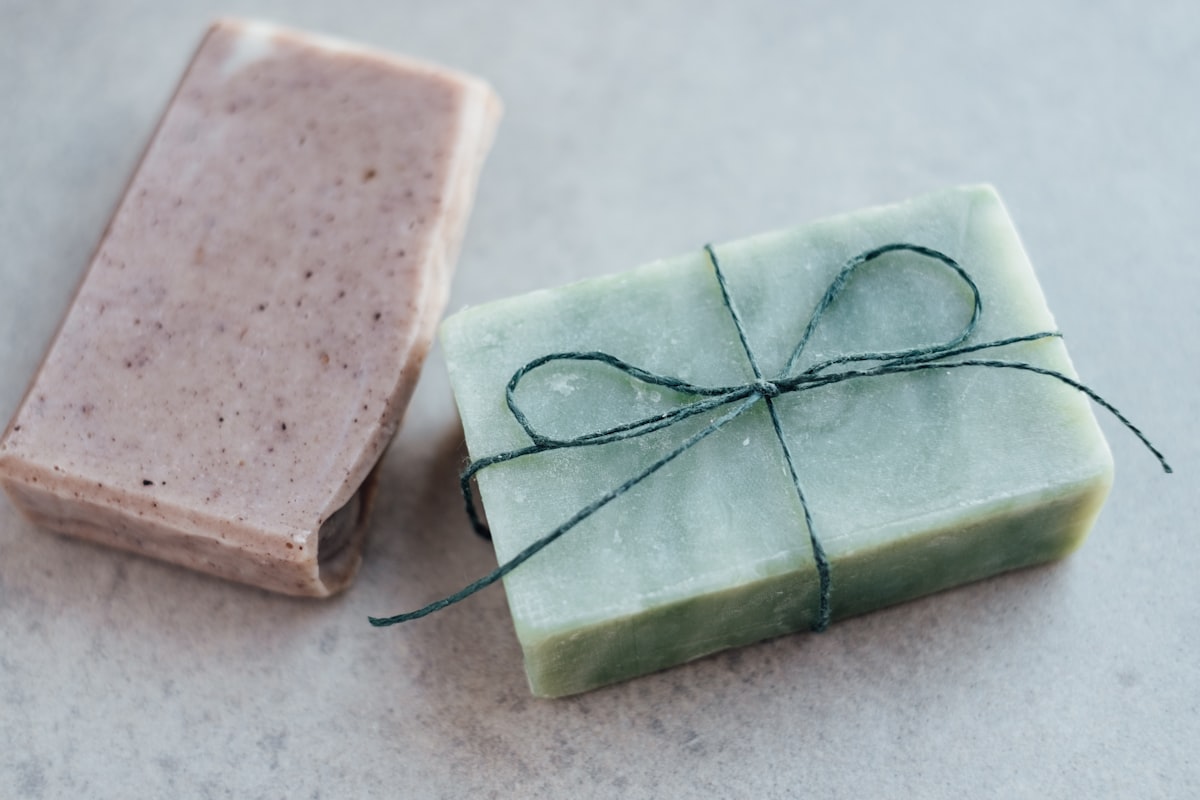
The case for switching
Why Switch to Sulfate-Free Hair & Body Products?
- ✓ Sodium lauryl sulfate (SLS) and sodium laureth sulfate (SLES) are effective surfactants but are also two of the most common causes of scalp and skin irritation in dermatology patch-testing. Sulfate-free formulas use gentler surfactants (like cocamidopropyl betaine or decyl glucoside) that clean effectively with less barrier disruption.
- ✓ Color-treated hair loses vibrancy faster when washed with high-sulfate shampoo, because sulfates strip the cuticle layer that holds dye molecules in place. Sulfate-free formulas are now the standard recommendation from most professional colorists for exactly this reason.
- ✓ A shampoo or conditioner bar is concentrated — no water filler — so one bar typically replaces two to three bottles of liquid product and ships in a fraction of the packaging weight and volume, meaningfully cutting transport emissions per wash.
- ✓ Bottled body wash is overwhelmingly water by volume, the same problem as liquid shampoo. Bar soap made with a true cold-process or triple-milled method needs no preservative-heavy water base and typically comes in compostable paper rather than a pump bottle.
- ✓ Standard bottle pumps and their internal springs are almost never recyclable even when the bottle itself is, because they mix incompatible plastics and metal. Bar formats in cardboard or compostable wrap eliminate that non-recyclable component entirely.
How to do it
7 Tips for Sulfate-Free Hair & Body Care
- 1 Expect a 1–2 week scalp adjustment If you're switching from a high-sulfate shampoo, your scalp has been overproducing oil to compensate for how aggressively sulfates strip it. That overproduction takes one to two weeks to normalize — push through the adjustment period before judging a new sulfate-free formula or bar.
- 2 Match the bar to your hair type Fine or oily hair does best with a lightweight, clarifying bar (tea tree or citrus-based). Dry, curly, or color-treated hair needs a moisturizing bar built around shea or cocoa butter. The wrong match is the most common reason people give up on bars too early.
- 3 Use a wash cloth or silicone scalp brush to work up lather Bars can feel less sudsy than bottled shampoo because they lack synthetic foam boosters. Rubbing the bar directly on wet hair and working it in with your fingertips or a scalp brush produces a fuller lather without extra product.
- 4 Follow with an acidic rinse if hair feels waxy A diluted apple cider vinegar rinse (1 tablespoon per cup of water) after a bar shampoo closes the hair cuticle and clears any mineral buildup from hard water, which is the main cause of the "waxy" feeling some people report when switching to bars.
- 5 Store bars on a draining dish between uses Bar shampoo and soap dissolve fast if left sitting in water. A ridged or draining soap dish extends bar life significantly — the difference between a bar lasting six weeks versus two months often comes down entirely to storage.
- 6 Check the sulfate-free label against the full ingredient list Some products marketed as sulfate-free still contain other harsh surfactants that behave similarly. Sodium coco-sulfate, for instance, is chemically related to SLS. If gentleness is the goal, look for cocamidopropyl betaine, decyl glucoside, or coco-glucoside further down the list.
- 7 Buy bars in bulk from refill or zero-waste shops when available Many zero-waste and refill shops sell shampoo and soap bars by weight with no individual packaging at all. Buying three or four bars at once, rather than one at a time from a retail shelf, typically costs 15–25% less per bar.
Also see: Bathroom swaps guide →
Common questions
FAQ
Everything readers ask us most about making the hair & body switch.
Get matched
Want personalised picks?
Answer 7 questions → we match you to the best swaps for your home.