Sustainable Laundry Products: Complete Eco-Friendly Guide
Every load of laundry sends microplastics, synthetic fragrances, and harsh surfactants straight into the water supply. The good news? Switching to eco-friendly laundry products is one of the fastest, most impactful swaps you can make at home — and it costs no more than what you're already spending. In this guide you'll discover the best plastic-free detergents, reusable dryer balls, natural stain removers, and fabric softener alternatives that actually work. We'll cover the environmental case for switching, help you choose the right products for your household, and give you seven practical tips to get cleaner clothes with a smaller footprint.
Top-Rated Laundry Products
Not sure? Take the quiz →
Tru Earth Eco-Strips
Tru Earth
Ultra-concentrated laundry strips. Zero plastic packaging, carbon neutral shipping.
- ✓Zero plastic
- ✓Works in cold water
- ✓Carbon neutral

Dropps Laundry Pods
Dropps
Plant-derived pods in compostable cardboard. EWG Verified.
- ✓EWG Verified
- ✓Compostable packaging
- ✓Sensitive skin safe

Wool Dryer Balls
Smart Sheep
100% NZ wool. Cuts drying time 25%, replaces dryer sheets for 1000+ loads.
- ✓Replaces dryer sheets
- ✓25% faster drying
- ✓Lasts 1000+ loads
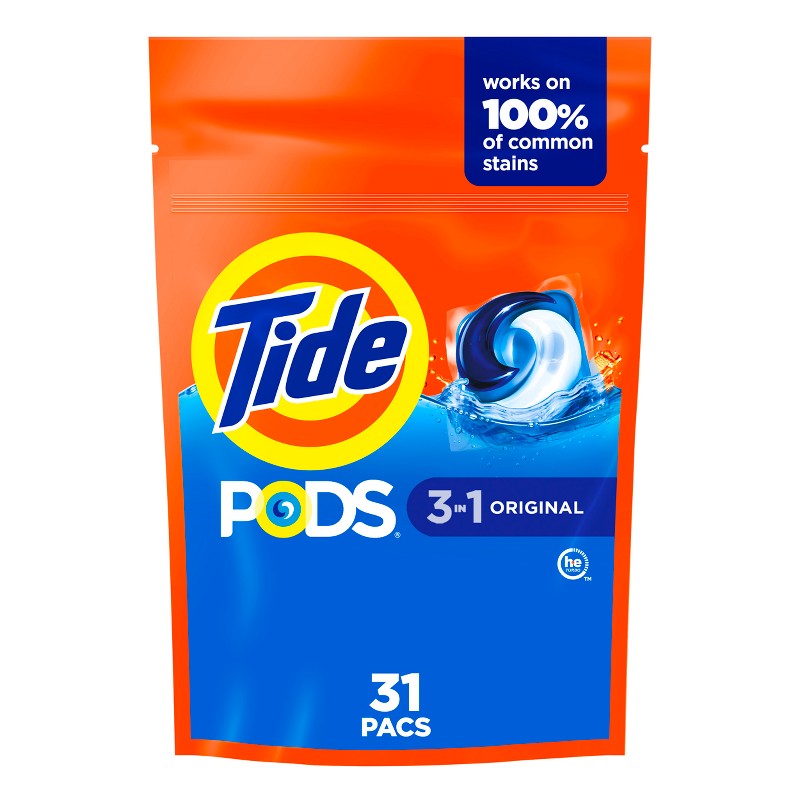
Tide Pods Original
Tide
The best-selling laundry detergent in the US. Strong stain removal, but contains 1,4-dioxane (a manufacturing byproduct) and synthetic fragrance, and is not EWG-rated above a D for most formulas.
- ✓Excellent stain removal
- ✓Widely available
- ✓Trusted brand
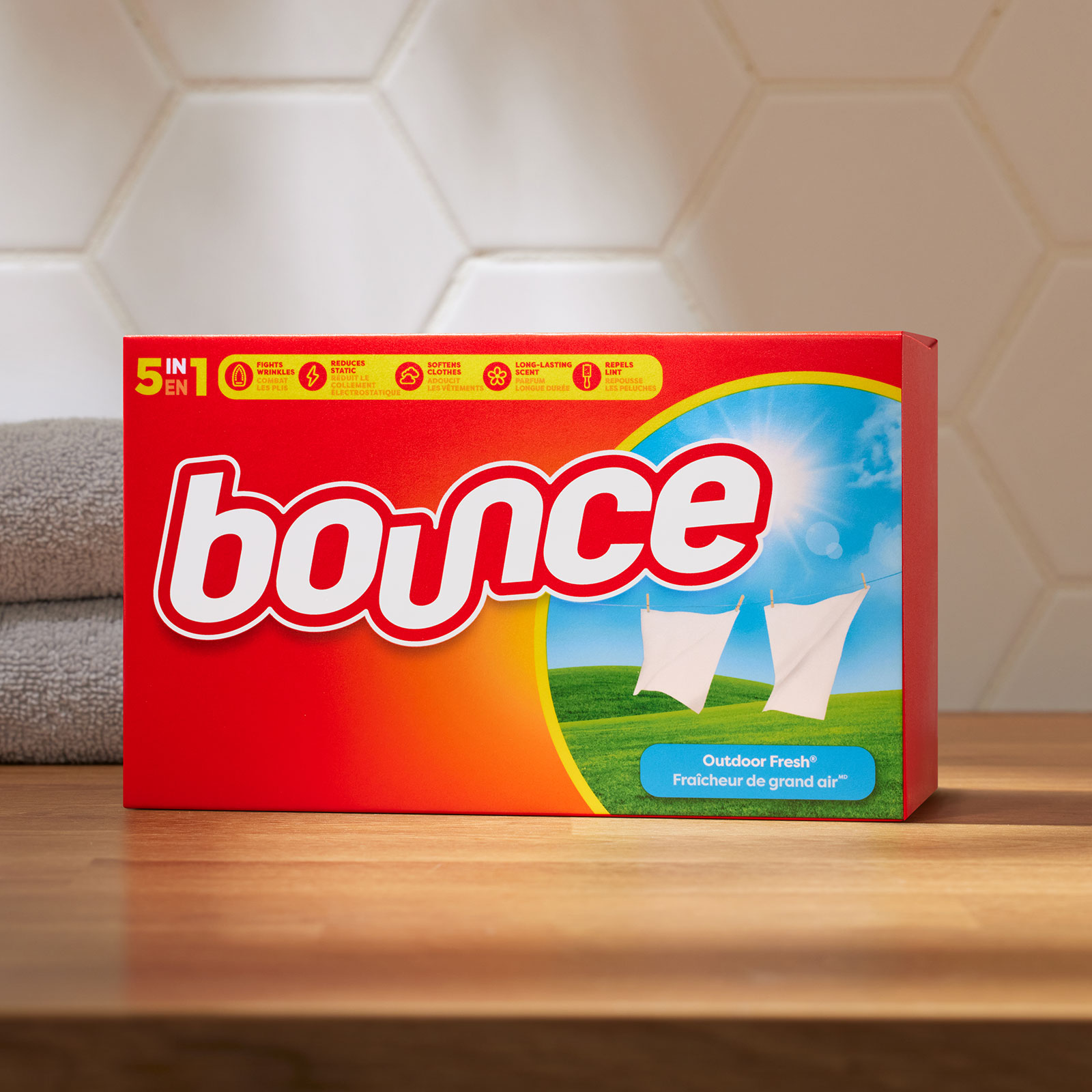
Bounce Dryer Sheets
Bounce
Single-use fabric softener sheets coated in synthetic fragrance and quaternary ammonium compounds. Effective at reducing static, but each sheet is used once and discarded, and the coating can reduce towel absorbency over time.
- ✓Reduces static instantly
- ✓Adds strong scent
- ✓Cheap per box
Latest Laundry Articles


The case for switching
Why Switch to Eco-Friendly Laundry Products?
- ✓ Conventional liquid detergents are up to 90% water — you're paying to ship water in a plastic jug. Laundry strips and powder concentrate the same cleaning power into a fraction of the packaging.
- ✓ Synthetic fragrances in standard detergents contain dozens of undisclosed chemicals linked to skin irritation and hormone disruption. Fragrance-free or plant-based formulas eliminate that exposure entirely.
- ✓ A single wash cycle can release hundreds of thousands of microplastic fibers. A wash bag like a Guppyfriend, or an in-line filter like a Cora Ball, catches a meaningful share of those fibers before they reach wastewater.
- ✓ Phosphates in older detergent formulas cause algal blooms that deplete oxygen in rivers and lakes. Most eco detergents are phosphate-free and biodegradable.
- ✓ Cost comparison: a 60-wash box of laundry strips (like Tru Earth or Dropps) runs about $20–25 — roughly the same as a 30-wash bottle of a leading liquid detergent. You get twice the washes for the same money, with no plastic jug.
How to do it
7 Tips for a Greener Laundry Routine
- 1 Wash on cold About 90% of a washing machine's energy goes to heating water. Switching from hot (130°F) to cold water cuts laundry energy use dramatically, and modern eco detergents are formulated to work well at cold temperatures.
- 2 Fill the drum Running a half-empty machine wastes water, energy, and detergent. Wait until you have a full load — or use a quick or small-load cycle for smaller loads.
- 3 Skip the dryer when you can Air-drying clothes saves several pounds of CO₂ per load compared to machine drying. Use a drying rack near a window, or a covered outdoor line when weather allows.
- 4 Use less detergent than you think Most detergent packaging recommends more than you actually need. Start with half the suggested dose; clothes come out just as clean and your detergent lasts twice as long.
- 5 Add white vinegar instead of fabric softener Half a cup of white vinegar in the softener dispenser naturally softens fibers, cuts odors, and helps prevent mineral buildup from hard water — all without synthetic chemicals.
- 6 Pre-treat stains immediately A drop of dish soap or a rub of a solid stain bar on a fresh stain is far more effective than soaking a dried stain later. Less rewashing means less energy and water.
- 7 Clean your machine monthly Run an empty hot cycle with a cup of baking soda to remove detergent residue and bacteria. A clean machine needs less detergent and smells better — naturally.
Also see: Cleaning swaps guide →
Common questions
FAQ
Everything readers ask us most about making the laundry switch.
Get matched
Want personalised picks?
Answer 7 questions → we match you to the best swaps for your home.