
"Certified refurbished" sounds like a standardized guarantee, but it isn't — there's no single industry-wide certification body, which means the actual rigor and warranty terms vary meaningfully depending on who's selling it.
What "Certified Refurbished" Actually Means
In practice, it typically means the device passed some diagnostic testing process, had faulty components replaced or repaired, and comes with a warranty — but the specifics of that process and the warranty length aren't standardized across sellers, unlike a genuine third-party certification (comparable to the EWG/GOTS/USP-style certifications covered elsewhere on this site).
Warranty Comparison by Seller Type
| Seller type | Typical warranty | Diagnostic rigor |
|---|---|---|
| Manufacturer-direct refurbished | Often up to 1 year | Highest, standardized |
| Authorized reseller | 3-12 months | Good, varies by reseller |
| Third-party marketplace listing | As short as 90 days | Unverifiable without a specific certification |
The Real Environmental Case
Manufacturing a new laptop is typically the single largest contributor to its total lifecycle carbon footprint — larger than years of actual electricity use running it. Extending an existing device's usable life through refurbishment genuinely avoids that manufacturing footprint, which is the strongest sustainability argument for buying refurbished over new.
What to Check Before Buying
- Buy manufacturer-direct when available — the strongest, most consistent warranty and diagnostic standard.
- If buying through a marketplace, check the specific seller's return/warranty policy explicitly, not just the "certified refurbished" label.
- Confirm battery health/cycle count is disclosed — battery degradation is the most common refurbished-laptop complaint.
What Actually Determines How Long It Lasts Beyond the Warranty
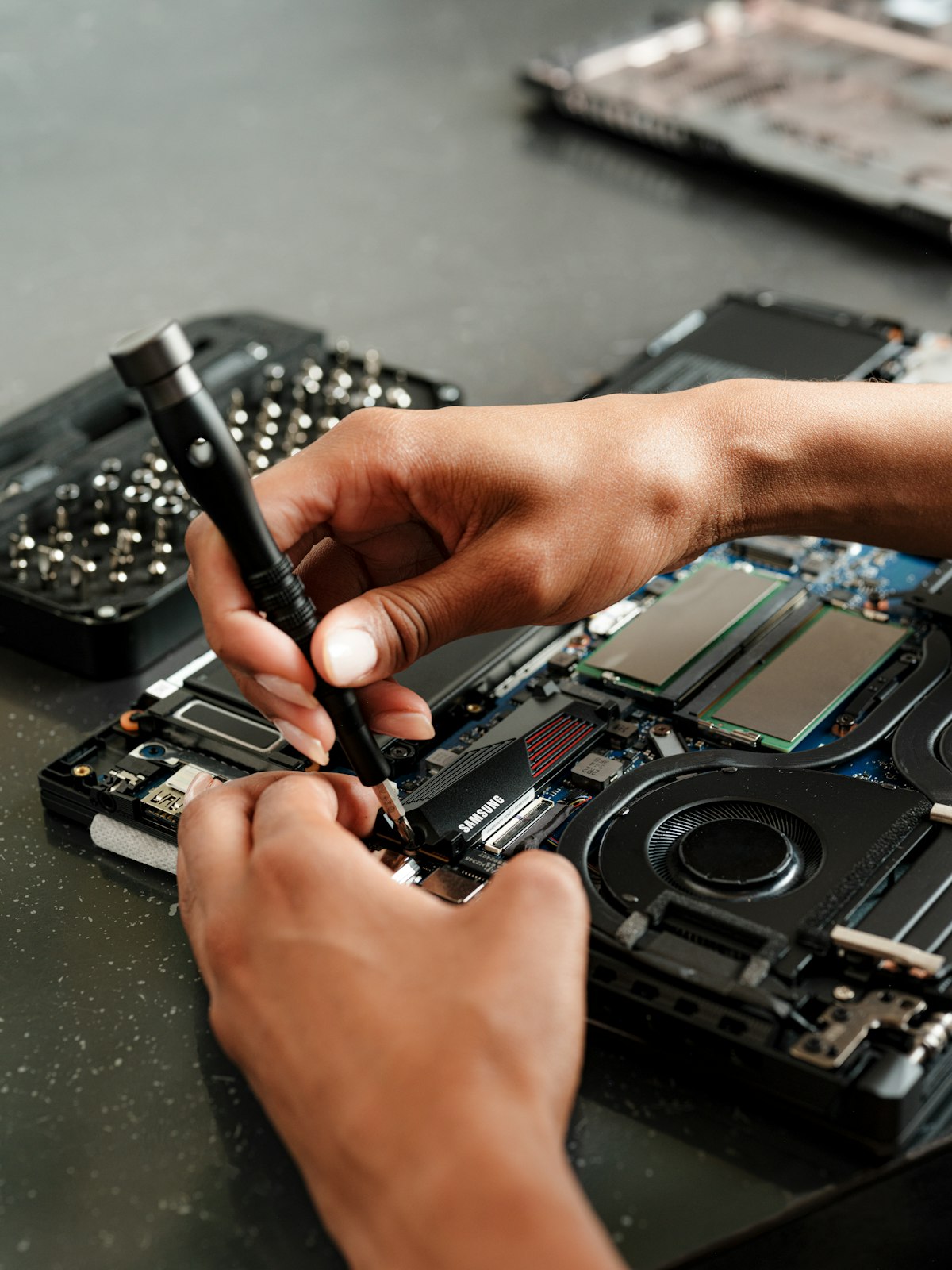
A strong warranty is worth having, but it's a separate question from realistic lifespan once that warranty period ends. Battery age, CPU generation, and storage type predict a refurbished laptop's real-world lifespan more than the warranty length does — a unit with a fresh battery and SSD from a recent CPU generation will outperform an older, unupgraded one regardless of which warranty tier it shipped with. And if something does break after the warranty expires, right to repair laws now in several states require manufacturers to sell genuine parts and documentation to independent repair shops, not just their own network.
Verdict
"Certified refurbished" is worth pursuing for both the cost savings and the genuine carbon-footprint benefit, but treat the phrase as a starting point to investigate, not a guarantee — the actual warranty terms and diagnostic rigor vary enough between sellers that it's worth checking specifically before buying.
Reviews & Comments
Loading...