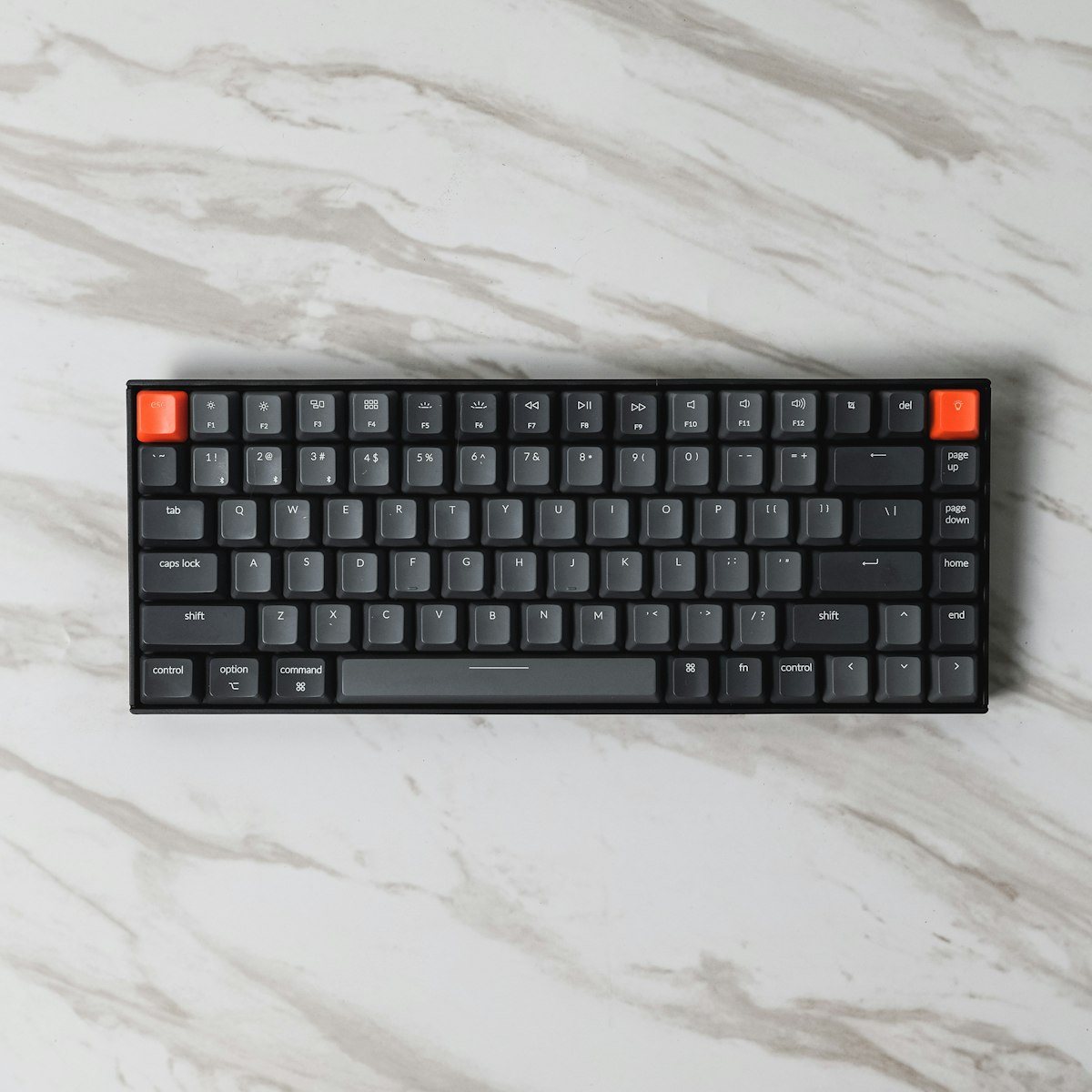
"Recycled" and "mechanical" get bundled into the same marketing pitch a lot, but they're solving two different problems — one is about the switches, the other is about the case. It's worth separating them to know what you're actually paying for.
Switches, Not Case Material, Determine Lifespan
Mechanical switches are individually rated — typically 50 to 100 million keystrokes per switch, depending on the switch manufacturer. Membrane keyboards use a single rubber dome sheet under the entire key layout, generally rated for 5 to 10 million presses per key, and once one key's dome degrades, there's usually no way to fix it without replacing the whole board.
Where the Recycled Plastic Actually Comes In
The case, frame, and keycaps are where recycled plastic content shows up, and it's a genuinely separate sustainability lever from the switch durability story. A recycled-plastic mechanical keyboard combines a long-lived switch mechanism with a case made from diverted post-consumer plastic rather than virgin resin — two independent upgrades, both real, but neither one caused by the other.
Hot-Swappable Sockets Extend the Lifespan Further
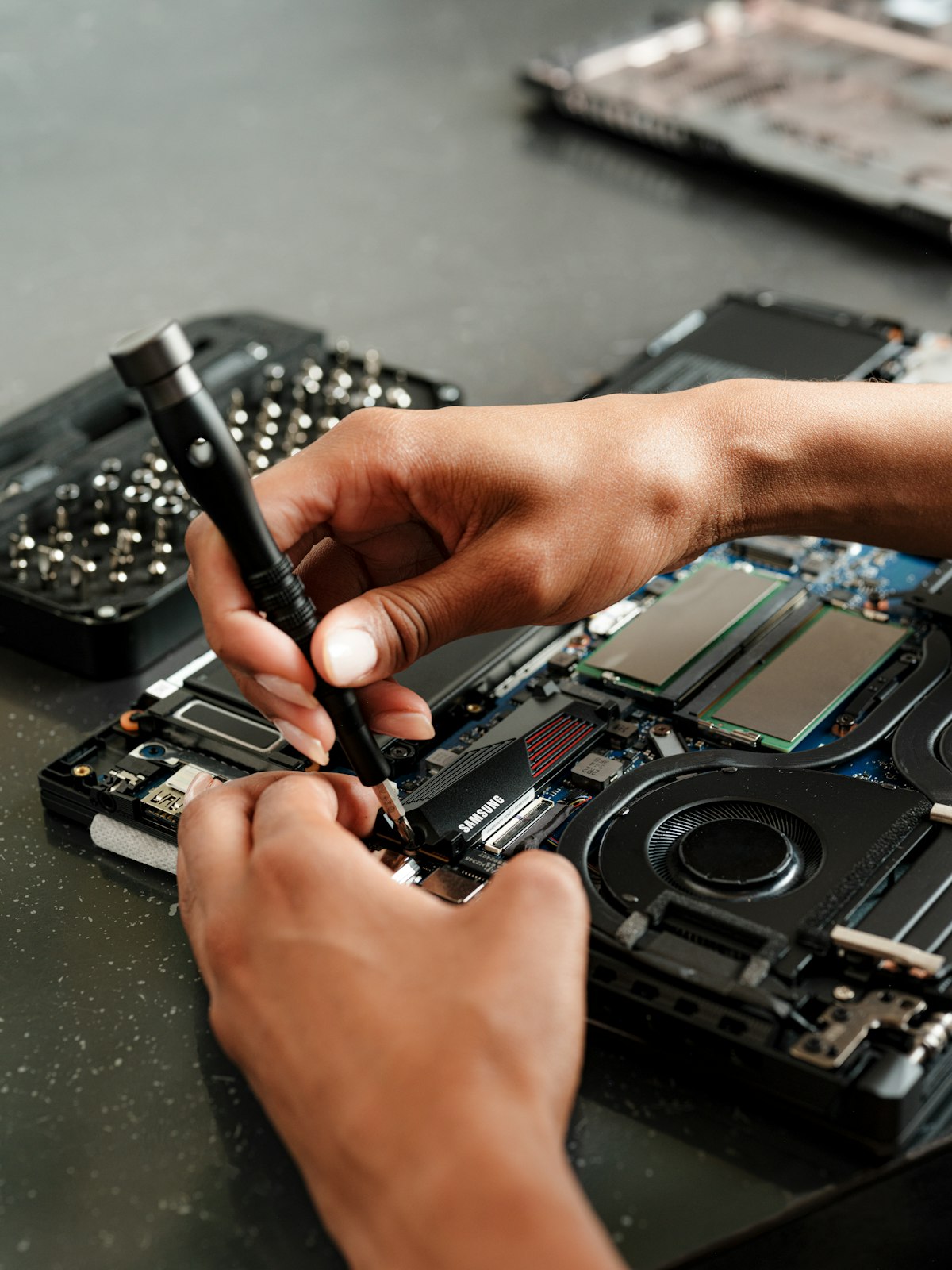
Some recycled mechanical keyboards also use hot-swappable switch sockets, meaning individual switches can be pulled and replaced without soldering if one fails early. This pushes the keyboard's effective lifespan well past the original switches' rated keystroke count, since a single bad switch doesn't force a full replacement.
Verdict
The durability claim is real, but it's the mechanical switches doing the work, not the recycled plastic. If you want the actual sustainability benefit of diverted plastic waste on top of that durability, look specifically for "recycled" or "post-consumer" material callouts in the case description — "mechanical" alone doesn't guarantee it.
Our pick for this: Recycled ABS Mechanical Keyboard →
Reviews & Comments
Loading...